

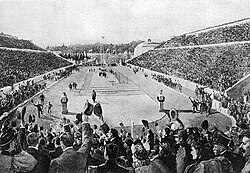
The first marathon occurred in 490BC when an Athenian ran 26 miles from the battle of Marathon to Athens announcing the phrase “Victory” following successful defeat of the Persian army. The marathon was revitalized nearly 2500 years later in the 1896 Olympic games held in Greece. The winner had a time of 2:28:50. A picture of this race is depicted below. Since that time, hundreds of thousands of runners have completed the grueling 26.2 mile marathon across the world.
While running a marathon is an impressive feat and show of physical prowess, you don’t need to achieve this standard to improve your health. The Centers for Disease Control and Prevention (CDC) recommends U.S. adults obtain 150 minutes of moderate physical activity per week. Moderate activity includes brisk walking, playing tennis, water aerobics, dancing, or pushing a lawn mower. You don’t need to run a marathon to improve your health.
In fact, exercise is associated with reduced fatigue, stress, low back pain, and risk of falls. it is also associated with improved cholesterol, cardiovascular health, sleep, mental health, insulin sensitivity, biological health, pain perception in those with osteoarthritis, and sleep. Exercising 150 minutes per week has been linked to a 25% and 30% reduction in breast cancer and colon cancer, respectively.
These effects are amplified with more exercise. Impressively, achieving 150 minutes of brisk walking per week results in ~2.5 years of life gained. This increases to ~4.5 years of life gained with 500 minutes of brisk walking per week. These effects mediate inflammation in the body (IL-6, C reactive protein, TNF-alpha), gut microbiome through increased availability of short chain fatty acids, insulin sensitivity via the GLUT4 pathway, and cardiovascular health through increased nitric oxide and vascular endothelial growth factor production. As a result of these health benefits, the American College of Lifestyle Medicine now argues that physical activity should be a vital sign measured at your doctor visits. Kaiser Permanente healthcare system did this with over 1.7 million patients!

Although the goal should be to exercise at least 150 minutes per week, or 30 minutes 5 days per week, you should not be discouraged if you cannot achieve this due to your schedule or current physical health. For instance, if I did not have 30 minutes to exercise consecutively in a day, I would not exercise at all due to my own mental barrier. I’ve changed this negative perspective towards those busy work days and now will get at least 10 minutes of power walking before work, at lunch, and when I get home from work if this is all I can do. The key is to get your heart rate up. Many of my patients will take is to bring your lunch to work and walk while you eat. This is achievable if you set your mind to it.
Another barrier many people have is fear of physical activity due to current low levels of fitness. If this is you, the answer is to have SMART goals. S: specific. M: measurable. A: achievable. R: relevant. T: time-bound. For example, if you are currently walk less than 1000 steps per day due to pain, then you need to make a SMART goal specific to your current state. I would recommend taking small steps first. In this scenario, your SMART goal may be the following: ‘I will walk 1500 steps per day and perform chair yoga (look it up, it’s free on Youtube!) for 10 minutes each morning for 2 weeks.’ Once this goal has been accomplished, you expand upon the previous SMART goal and create more challenging SMART goals. More advanced athletes should also have SMART goals to accomplish at least the minimum standards of 150 minutes per week.
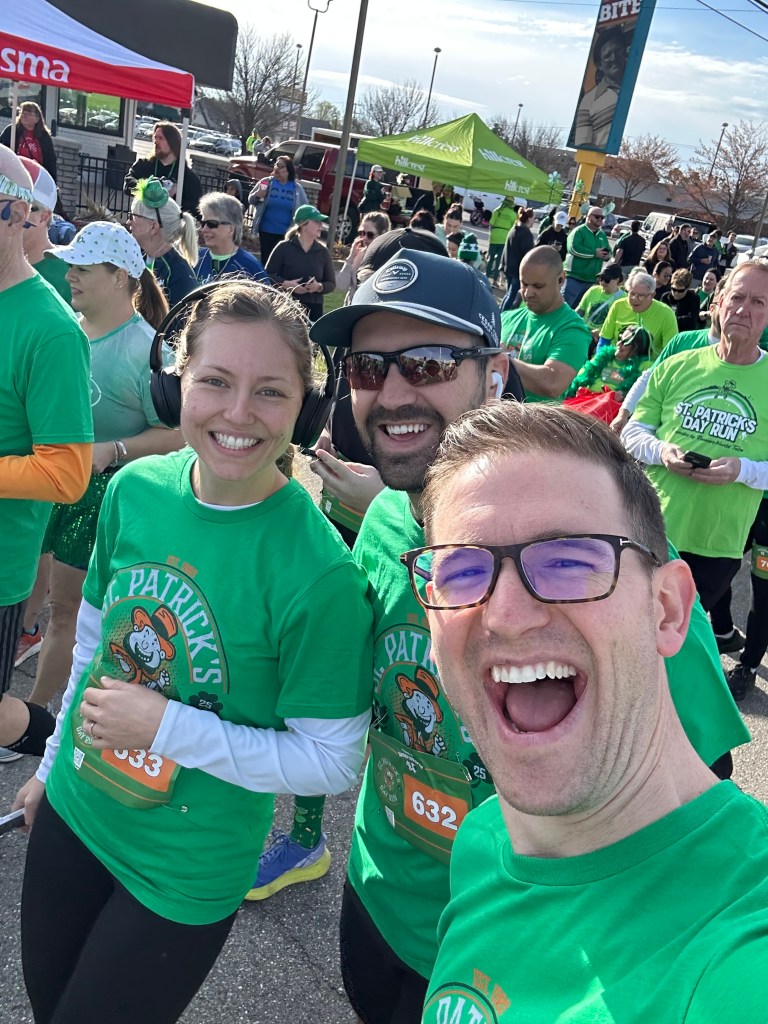
Finally, you need peer support (or peer pressure if you are a glass half empty kind of person). This should come in the form of family and friends as well as your personal physician. Tell your friend that you are on an exercise journey to reduce your risk of breast or colon cancer. Bring them on your next lunchtime power walk. Ask them to be your accountability partner. This should also come in the form of your physician. Physicians who are physically active are more likely to encourage and counsel patients on healthy lifestyles compared to inactive physicians. They also have real-world physical activity experience and tips that can help you along your lifestyle journey. Finally, having a physically active physician can provide first hand experience and counsel to help you improve. You should always ask your physician before starting any physical training program. Find your accountability partner, create a team, and share tips on how you improved physical activity in your life below. Here’s a picture of my team from a recent race.
 The Healthy Life
that is so awesome Dr G 👏
LikeLiked by 1 person