Cutting Back on the Booze

Many people enjoy an occasional boozy indulgence. Unfortunately, our recognition of the risks related to drinking are often underestimated. Did you know that alcohol consumption is linked to multiple cancers, mental health disorders, cardiovascular disease, and overall risk of mortality? Let’s dive in.

Alcohol and its metabolite acetaldehyde are carcinogens linked to numerous cancers including breast, head and neck, melanoma, liver, prostate, gastric, and pancreatic. It is also implicated in fatty liver disease and cirrhosis. In fact, cutting back on alcohol consumption is one of the best ways to prevent fatty liver disease from transitioning to cirrhosis or hepatocellular (liver) cancer. Alcohol consumption also increases the risk of cardiac arrhythmias, heart failure, hypertension, myocardial infarction, stroke, depression, dementia, chronic pain and arthritis, gastroesophageal reflux (GERD), gout, and neuropathy. I cannot tell you the number of times alcohol has contributed to neuropathy in my clinic. This stuff is toxic to the body!

The impact of alcohol on human physiology also affects the way you feel and perform. First, alcohol calories are essentially “empty” calories as they hold no nutritional value. Think of every drink as an increase in adipose tissue deposition (fat), unlike when you consume calories from other nutritious sources that are converted to glycogen, a stored carbohydrate that’s good for exercise capacity. Second, alcohol inhibits the body’s ability to absorb vital nutrients including thiamine, vitamin B12, folic acid, and zinc. These essential nutrients are necessary for blood cell formation, metabolism, and immunity. This can impede muscle growth, muscle recovery, and memory via negative impacts on the hippocampus where learning and memory processing occurs. The impact of alcohol on human physiology doesn’t stop here. It also destroys your REM sleep and leads to chronic fatigue. Heavy alcohol use will impact these components the most. You aren’t functioning at peak performance if you drink alcohol.

What is a safe amount? The correct answer is none. Previous research argued that moderate use of alcohol was safe and potentially offered protective health effects. These studies were wildly flawed in controlling for co-morbid conditions and other confounding variables. However, partaking in an occasional drink with friends is not bad. The Centers for Disease Control and Prevention recommends women drink no more than 1 alcoholic beverage per day. The recommendation is no more than 2 beverages per day for men. This is not averaged over a week. This is the max recommended amount of alcoholic beverages per day. Regarding types of alcohol, red wine is arguably the “best” form of alcohol due to the antioxidant polyphenols it contains.

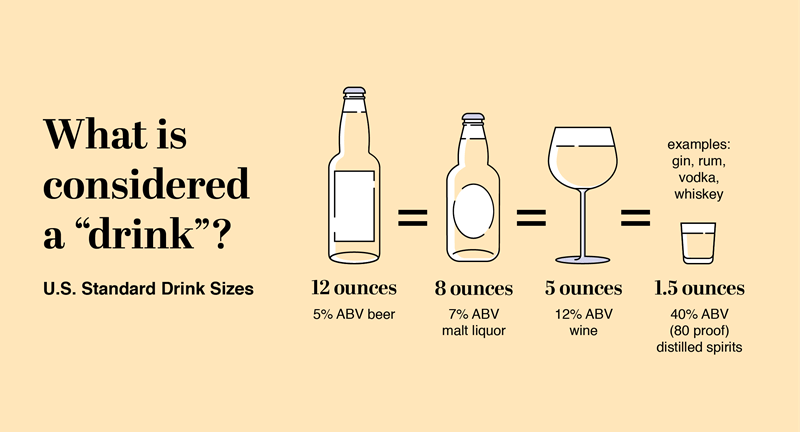
Now we need to understand what is classified as 1 beverage. Many of my patients incorrectly tell me they drink 1 cocktail per night but, when questioned further, are actually drinking closer to 1.5 or 2 cocktails per night based on volume of alcohol. Here is a table from the CDC to help you understand what one drink is by volume:
The first step in understanding heavy alcohol use is to define heavy drinking. It is also important to understand that you can be a heavy drinker and not have alcohol use disorder (ie. alcoholism). Alcohol use disorder is defined as heavy alcohol use plus impairment in self-control, physical dependence, social problems, and risky use like drinking and driving.

The patterns listed below are considered heavy drinking and are highly tied to alcohol use disorder and alcohol related bodily harm:

For women: 4 or more drinks on any day or 8 or more drinks per week.

For men: 5 or more drinks on any day or 15 or more drinks per week.

Before we talk about cutting back, it is important to remember that you should discuss quitting alcohol with your physician before beginning this journey; stopping alcohol consumption abruptly can be life threatening and I am not offering medical advice here. One method many people have found helpful is to have no heavy drinking days. Meaning you intentionally never drink more than 4 (women) or 5 (men) alcoholic beverages in a day. Committing to this has actually been shown to improve how heavy drinkers feel and function – it’s also used as a positive outcome in clinical trials, in addition to abstinence. Another method I have utilized to help patients cut back on alcohol is to replace alcoholic beverages with non-alcoholic beverages. I frequently recommend heavy beer drinkers replace 1 can of beer with 1 can of seltzer water. They still enjoy the fizzy burn as it goes down and you can still “crack the can.” This method will help you slowly cut back on the number of alcoholic beverages consumed per day.

Another method I recommend to heavy drinkers is to establish an accountability partner. You need to acknowledge that you have a drinking problem and ask your spouse, friend, or coworker to hold you accountable in cutting back. Tell this accountability partner your drinking limit and ask them to intermittently confirm your commitment to this journey. Alcoholics Anonymous meetings can help you locate an accountability partner and offer exceptional resources for drinkers. Another successful method to cut back is by setting a drinking limit before going to the bar. Bonus points if you tell your accountability partner this limit! Medications, such as naltrexone, disulfiram, and semaglutide, are also used in some people to curb alcohol cravings. Finally, treat alcohol like an addiction (it is!) and avoid people or places that you recognize as negative influences on your drinking patterns. If you always have 4 beers when you go to Buffalo Wild Wings, then consider getting the BDubs to-go and enjoy your Blazin’ wings at home!

Jalen Williams – a member of the OKC Thunder 2025 NBA Championship team – recently had his first beer which was widely publicized after the championship game. His response: “[It] was my first time drinking, ever… I had shots, champagne, beer: it was all disgusting. I’mma stick to Shirley temples.” You can be the champion of your life and quit drinking alcohol too!

Now, remember that everything in life is about balance. While cutting back on alcohol consumption is a sure-fire way to improve your health, it is important to remember the other components of a healthy lifestyle that I’ve discussed in previous blog posts. While many posts focus on dinner preparation, this post will break that trend and introduce you to my favorite breakfast.

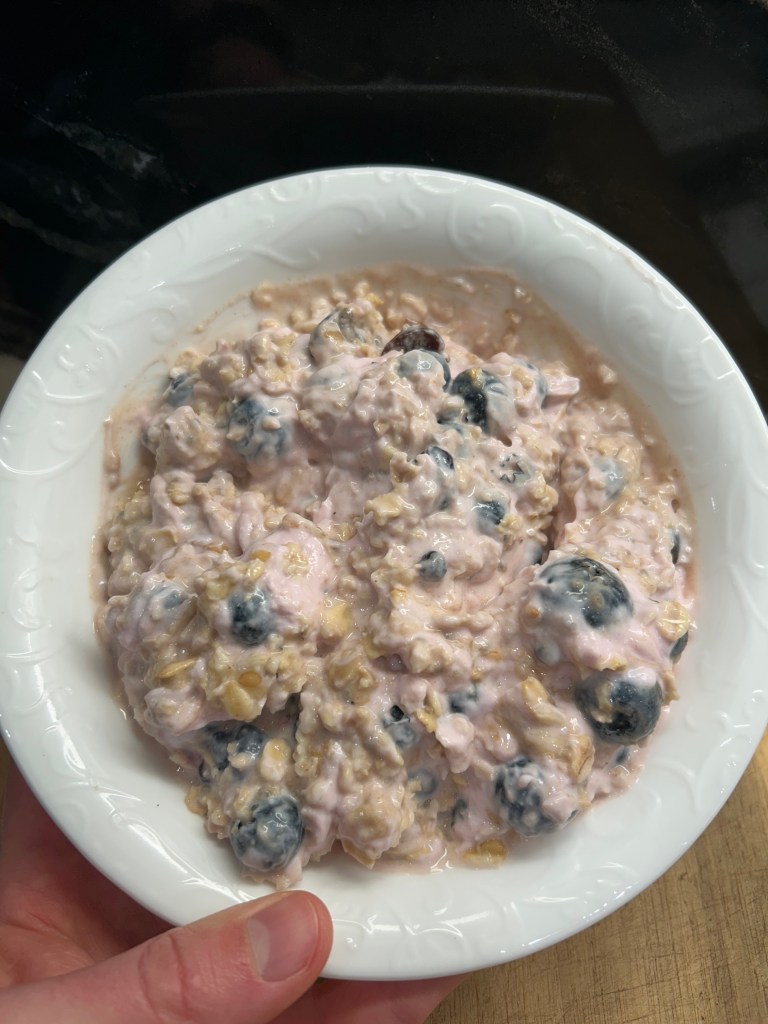
I have no idea what to call this but, as many of you know, I’ll throw about anything in a bowl and see how it tastes. This is a winner.

Add boiling water to 1/2 cup of steel cut oats. Let sit in the refrigerator for 20-30 minutes then fold in 1/2 cup of blueberries and 1 cup of flavored Greek yogurt (I like mixed berry). This meal has enough protein, fiber, and complex carbohydrates to keep you satiated until lunch while giving you a fantastic energy and anti-oxidant boost from the blueberries.

Which diet is best?

Many of my patients ask me which diet is best to help them lose weight, live longer, improve physical prowess, reduce blood sugar, among many other reasons people choose to diet. They’re often shocked when I tell them I don’t like the word ‘diet.’ The term insinuates that you will be operating a very strict food regimen for a short period of time to achieve a desired effect. Think about your friend or coworker that said they were going on the ‘X’ diet for ‘Y’ reasons. You can fill in the blank because we all know someone (assuming you haven’t done it yourself) who has said this phrase. What was the end result for this person? I’m willing to bet they’re no closer to their ‘diet’ goals today than they were when they began their journey. This is not to say that I haven’t had patients who are successful at achieving their health goals through a specific diet plan – in fact, I’ve had many! But, this is not the majority. Most can’t sustain their diet for more than 6 months and, unfortunately, many regain their initial body weight by 4 years.

A healthy lifestyle, whether you need to lose weight or biohack, should be specific, measurable, achievable, time-bound, and SUSTAINABLE. I’ll repeat the last word – SUSTAINABLE. Strict diets can be counterproductive to achieving your ultimate health goals. While this may be a carnivore based regimen (I don’t recommend this for cardiovascular reasons in most people), it could also be a Mediterranean or plant based regimen for others. The key is that everyone is different. Intrapersonal, interpersonal, community, social, and religious beliefs often dictate how a “normal” diet looks. This is where your physician or nutritionist can help guide you.

So, where do you start? I prefer to educate my patients based on what is known to be healthy standards.

Protein: Most information available online recommends adults eat 0.8g protein per kilogram of ideal body weight. However, this is the minimum amount required to prevent a protein deficiency, which can lead to bone fractures, poor muscle mass, and increase risk for falls. Most adults without kidney disease should be closer to 1.5-2g protein per kilogram of ideal body weight in combination with physical activity to maximize health. For reference, a 5oz chicken breast is around 40g protein. One cup of greek yogurt is 17g protein. One cup of cooked black beans is 15g protein. Protein shakes can easily get you to your goal protein and are easy to drink on the go for the busy workers. I like to drink my protein shakes between patient encounters.

Fiber: The goal should be 30 grams of fiber per day. Insoluble fiber is in many foods including whole grains, legumes, fruit, and vegetables. A diet high in fiber is linked to a reduced risk of cardiovascular disease and multiple cancers including colorectal, breast, pancreatic, and gastric. While I do recommend eating whole grains daily, I prefer to get my fiber from fruit and vegetables because most people are grossly deficient on the consumption of these. Raspberries and blueberries are the most fiber dense with 8g per cup. Apples have around 4g in a medium sized apple. Kale has roughly 5g per cup and broccoli has 3g per cup.

Water: The proper amount of water consumption differs by person and activity level. However, a good starting place is 1oz water per kilogram of body weight. This would be the minimum recommended volume for most people. Again, discuss with your physician first as this may differ depending on the presence of comorbid conditions like kidney failure, cirrhosis, congestive heart failure, or use of certain medications. Those who work in hot environments or are highly physically active should be closer to 2oz water per kilogram of ideal body weight. A rough evaluation of your hydration level can be determined simply by standing up from a seated position. If you get dizzy with standing, you may be dehydrated.

You’ll notice I left out carbohydrates. This was intentional. While the body cannot survive without glucose, a carbohydrate required in the production of ATP (the main energy carrying molecule in the body), it is a common misconception that we should limit the amount of fruit in our diet due to the high carbohydrate content. Don’t fall into this trap. While you should discuss this with your physician, the benefits obtained from eating fruit (and their respective complex carbohydrates) are far greater than the potential risks. Further, think about all the other high glycemic index foods you eat in a day and figure out which ones you could replace with a high quality piece of fruit that will help lower your risk of an innumerable number of diseases. I do not condone a diet high in simple carbohydrates. Examples of simple carbohydrates are white breads, chips, candy, syrups, white pasta, white rice, etc. These foods are considered high glycemic index foods and will quickly wreck your dietary and lifestyle goals.

If you can achieve the above quantities of protein and fiber (from varied sources including fruit, vegetables, and some whole grains) and limit the amount of simple carbohydrates in your diet, there’s a good chance you will be eating a well balanced diet. The good news is you don’t have to be perfect with your diet. In fact, I would argue that you should NOT be perfect with your diet. Enjoying some cheat meals is not a bad thing. The important component is that you eat a cheat meal (or any meal for that matter) in moderation. Aim for 1 cheat meal per week or less and stay committed to your goals. Share these goals with your family and friends for extra credit!

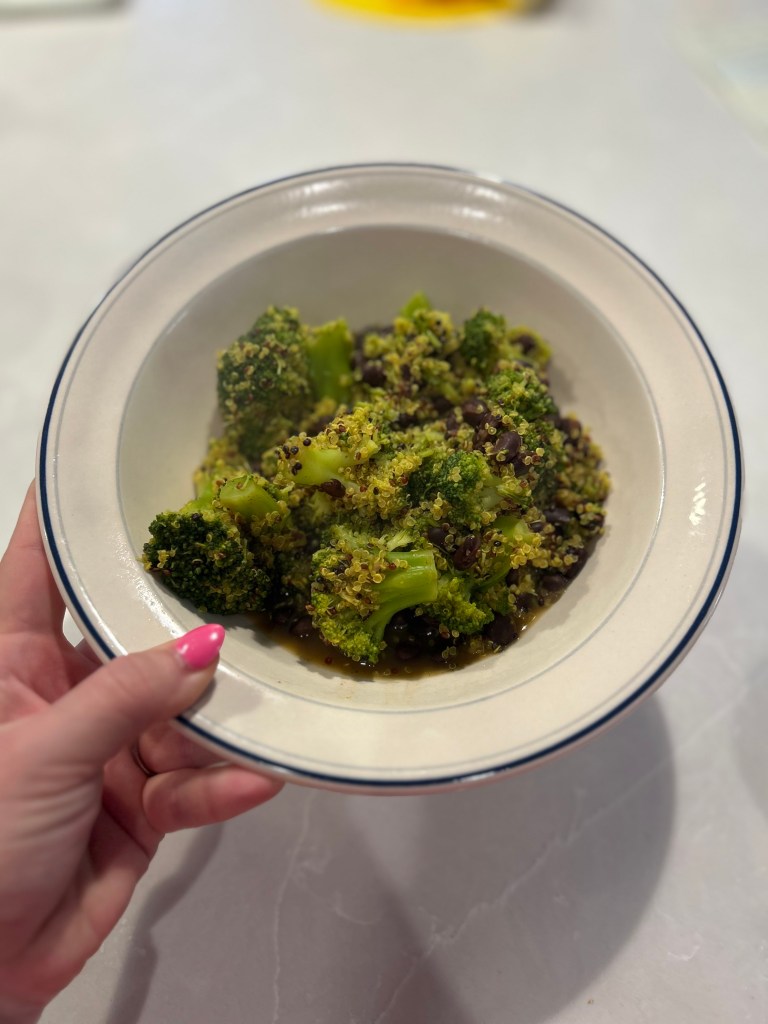
This recipe is a family favorite in my house. We call it the black bean special. I think it’s special because it is a one pan dish (meaning easy to make!) and is super healthy and flavorful. This recipe was adapted from one of my favorite cookbooks, “How Not to Diet: The Groundbreaking Science of Healthy, Permanent Weight Loss” by cardiologist and lifestyle medicine expert Michael Greger, MD. I highly recommend this book as well as its precursor, “How Not to Die.”

Boil 1 cup of dry quinoa in equal parts of chicken broth and water for 5 minutes. In the boiling water, add 2 tbsp of nutritional yeast, 2 tsp ground turmeric, 2 tsp ground ginger, 2 tsp ground cumin, 1 tsp cayenne pepper, Then, mix in 1 bag of frozen broccoli florets and cover for an additional 8 minutes. With two minutes remaining, add 1 can of drained/rinsed black beans. An alternative to the quinoa would be farro (higher in fiber than quinoa) or brown rice. Share your recipes and book recommendations below!

Exercise as medicine

The first marathon occurred in 490BC when an Athenian ran 26 miles from the battle of Marathon to Athens announcing the phrase “Victory” following successful defeat of the Persian army. The marathon was revitalized nearly 2500 years later in the 1896 Olympic games held in Greece. The winner had a time of 2:28:50. A picture of this race is depicted below. Since that time, hundreds of thousands of runners have completed the grueling 26.2 mile marathon across the world.

While running a marathon is an impressive feat and show of physical prowess, you don’t need to achieve this standard to improve your health. The Centers for Disease Control and Prevention (CDC) recommends U.S. adults obtain 150 minutes of moderate physical activity per week. Moderate activity includes brisk walking, playing tennis, water aerobics, dancing, or pushing a lawn mower. You don’t need to run a marathon to improve your health.

In fact, exercise is associated with reduced fatigue, stress, low back pain, and risk of falls. it is also associated with improved cholesterol, cardiovascular health, sleep, mental health, insulin sensitivity, biological health, pain perception in those with osteoarthritis, and sleep. Exercising 150 minutes per week has been linked to a 25% and 30% reduction in breast cancer and colon cancer, respectively.

These effects are amplified with more exercise. Impressively, achieving 150 minutes of brisk walking per week results in ~2.5 years of life gained. This increases to ~4.5 years of life gained with 500 minutes of brisk walking per week. These effects mediate inflammation in the body (IL-6, C reactive protein, TNF-alpha), gut microbiome through increased availability of short chain fatty acids, insulin sensitivity via the GLUT4 pathway, and cardiovascular health through increased nitric oxide and vascular endothelial growth factor production. As a result of these health benefits, the American College of Lifestyle Medicine now argues that physical activity should be a vital sign measured at your doctor visits. Kaiser Permanente healthcare system did this with over 1.7 million patients!

Although the goal should be to exercise at least 150 minutes per week, or 30 minutes 5 days per week, you should not be discouraged if you cannot achieve this due to your schedule or current physical health. For instance, if I did not have 30 minutes to exercise consecutively in a day, I would not exercise at all due to my own mental barrier. I’ve changed this negative perspective towards those busy work days and now will get at least 10 minutes of power walking before work, at lunch, and when I get home from work if this is all I can do. The key is to get your heart rate up. Many of my patients will take is to bring your lunch to work and walk while you eat. This is achievable if you set your mind to it.

Another barrier many people have is fear of physical activity due to current low levels of fitness. If this is you, the answer is to have SMART goals. S: specific. M: measurable. A: achievable. R: relevant. T: time-bound. For example, if you are currently walk less than 1000 steps per day due to pain, then you need to make a SMART goal specific to your current state. I would recommend taking small steps first. In this scenario, your SMART goal may be the following: ‘I will walk 1500 steps per day and perform chair yoga (look it up, it’s free on Youtube!) for 10 minutes each morning for 2 weeks.’ Once this goal has been accomplished, you expand upon the previous SMART goal and create more challenging SMART goals. More advanced athletes should also have SMART goals to accomplish at least the minimum standards of 150 minutes per week.

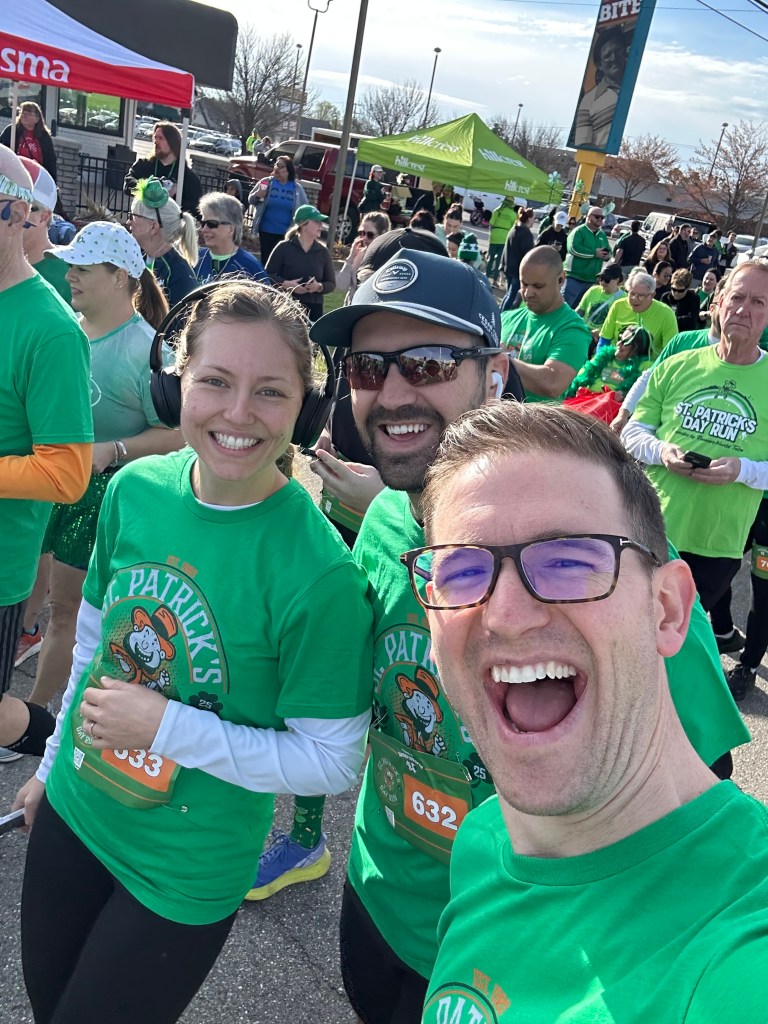
Finally, you need peer support (or peer pressure if you are a glass half empty kind of person). This should come in the form of family and friends as well as your personal physician. Tell your friend that you are on an exercise journey to reduce your risk of breast or colon cancer. Bring them on your next lunchtime power walk. Ask them to be your accountability partner. This should also come in the form of your physician. Physicians who are physically active are more likely to encourage and counsel patients on healthy lifestyles compared to inactive physicians. They also have real-world physical activity experience and tips that can help you along your lifestyle journey. Finally, having a physically active physician can provide first hand experience and counsel to help you improve. You should always ask your physician before starting any physical training program. Find your accountability partner, create a team, and share tips on how you improved physical activity in your life below. Here’s a picture of my team from a recent race.