Your Friendships Are Causing Heart Disease

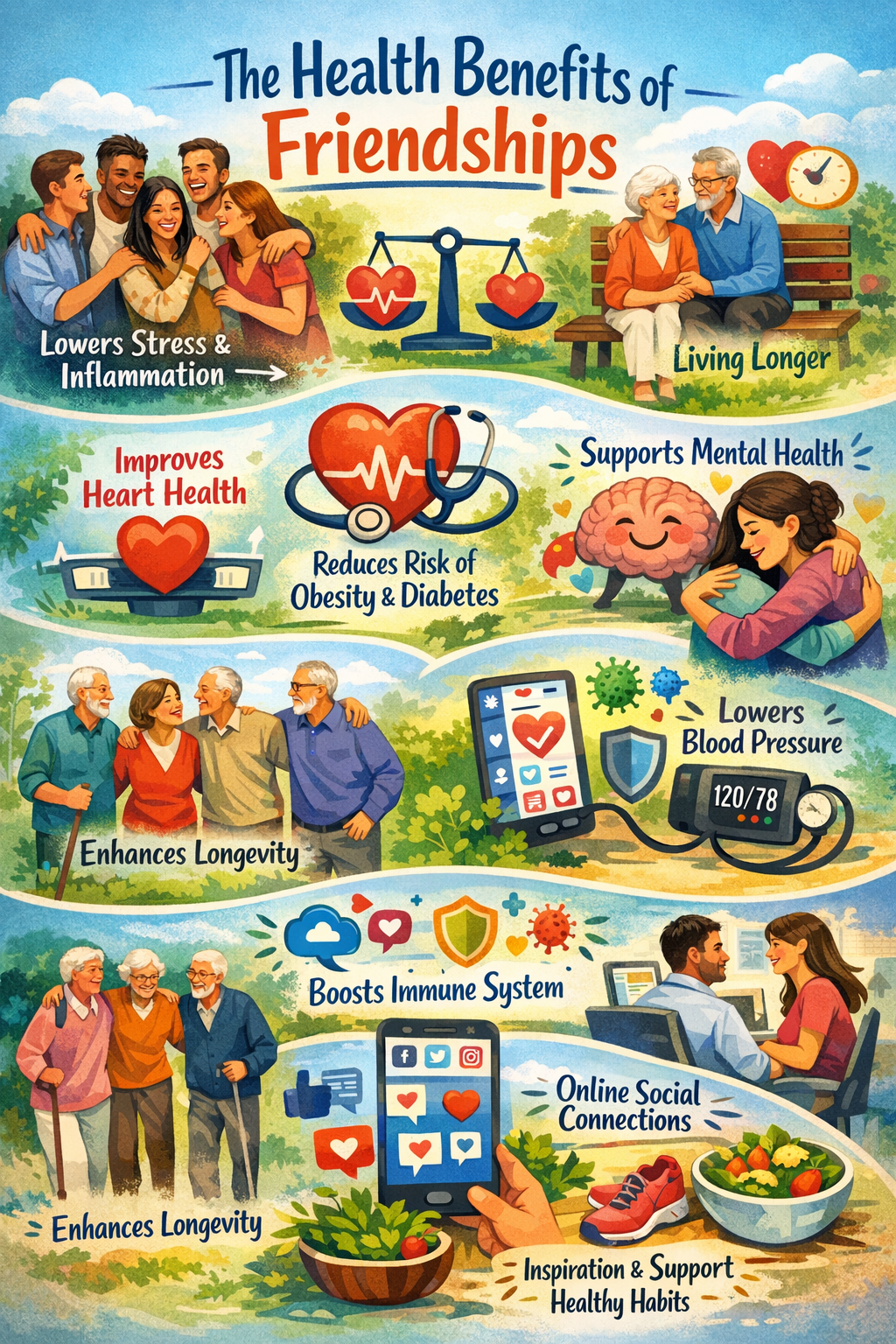
Are friendships and social networking — real life or online — as important to your health as diet and exercise? You might not think so, but science is proving otherwise. Studies published many decades ago found loneliness in old age can have significant negative effects on health and longevity.

Recent research has connected the benefits of fulfilling social relationships and social networks directly to specific health issues, including inflammation, diabetes and cardiovascular disease—and not just in later life, according to a study published in the Proceedings of the National Academy of Sciences.

Real-Life Social Relationships
University of North Carolina, Chapel Hill researchers found the quantity and quality of social relationships throughout our lives affects our risk for developing cardiovascular disease during different stages of our lives. 

The study found socially active aging adults living longer and that social isolation in later life can be harmful, raising the risk for developing and controlling hypertension. They also found was that social relationships in our early years — particular adolescence — extremely important, setting the stage for good health and lowering the risk of hypertension.

During middle age, however, it’s not so much the number of social relationships we have but how deep and supportive (or strained) they are that affects health. There’s a link between social isolation in our younger years and increased risk of inflammation and obesity, raising the risk for hypertension and cardiovascular disease as we age. 

The study’s lead researcher believes broad social skills are as important to building the foundation for good health as physical activity, good nutrition and healthy eating habits. And while quantity of social connections is important when we’re both young and old, the quality of our relationships is what counts during our middle years.

Other research has found that social isolation and loneliness can directly increase a person’s risk of coronary heart disease and stroke by as much as almost a third (29 percent and 32 percent respectively) — similar to the impact of job stress and anxiety — two risk factors for coronary heart disease. 

Social Networking for Heart Health
Having meaningful relationships and support in person has tremendous value to our health, but so do some virtual relationships and support systems. Following health influencers and experts on social networks such as Facebook and Instagram, for example, can actually help you reach your health goals. You can read informative blogs, learn great tips and gather healthful recipes. And sharing the information among online friends helps you foster relationships that provide support and help keep you motivated — whether it’s completing a half marathon or maintaining a heart healthy diet. 

But there’s the phenomenon of ‘social contagion’—the indirect effect (positive or negative) that social networks can have on our health. Why? Because we’re so interconnected your friends’ friends on Facebook can also influence your health. If your friends friends are focused on living a healthy lifestyle, there’s a good chance everyone connected with them are too, which can ultimately benefit you. Unfortunately, the opposite can be true. Surrounding yourself online or in person with potentially destructive people may impact your health negatively. 

The Bottom Line
Socializing can help lower your risk of cardiovascular disease, and social support can help you recover from heart health issues. Share the status of your family relationships, social life, hobbies, community involvement and online presence with your primary care physician, cardiologist and other specialists so they can evaluate the depth of your relationships and how it may affect your health. Now it’s time to get out and ask your neighbor for a social hour. Perhaps you can even watch the Super Bowl LX with them!
Bones, Bones, Bones

🌟 Osteoporosis: What You Can Do to Protect Your Bones

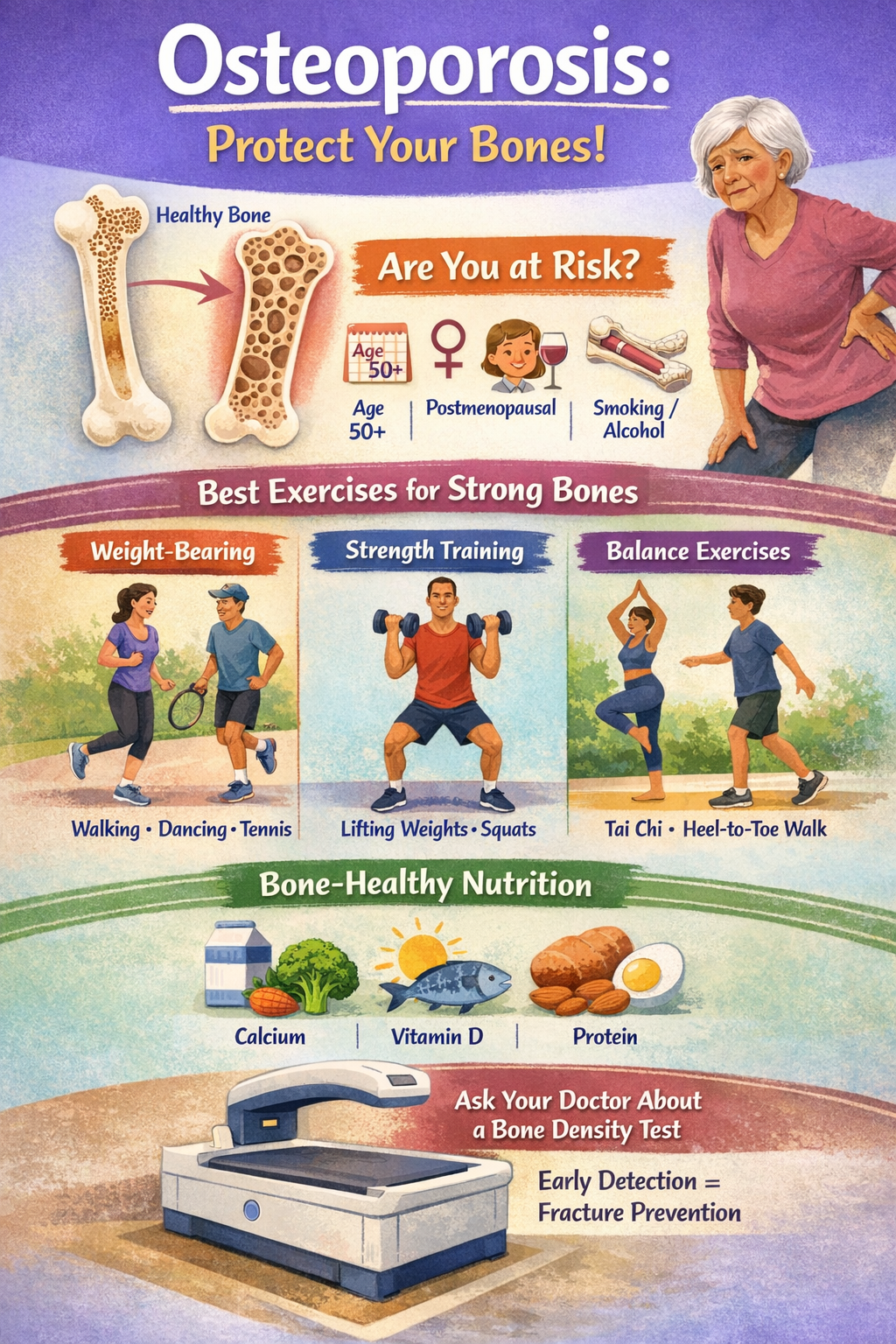
Osteoporosis is known as a “silent disease” because bone loss often goes unnoticed until a fracture happens. The good news? Bone health can be improved at any age. Here’s how.

🦴 What Is Osteoporosis?

Osteoporosis happens when bones lose density and become easier to break. Common fracture sites include the spine, hip, and wrist.

🧍‍♀️ Who’s at Higher Risk?

People are more likely to develop osteoporosis if they:

✔ are age 50+
✔ are female (especially post-menopause)
✔ are low weight or have low muscle mass
✔ have low calcium/Vitamin D intake
✔ smoke or drink heavily
✔ use long-term steroids
✔ have a family history of fractures

💪 Exercises That Help Build Strong Bones

Exercise doesn’t just help—it’s one of the best tools to slow bone loss and prevent falls. Three categories matter most:

1. Weight-Bearing Exercises (Bone Strength)

These make your bones work against gravity. Great options:

🏃‍♀️ Walking (30–45 min, 4–6 days/week)
🚶‍♂️ Hiking
🕺 Dancing
🎾 Pickleball or Tennis
🪁 Low-impact aerobics

Tip: If you haven’t been active, start with 10–15 minutes/day and add time gradually.

2. Resistance & Strength Training (Bone + Muscle)

Strength training stimulates bone remodeling and prevents falls. Examples:

🏋️ Free weights
📦 Resistance bands
💪 Bodyweight exercises:

Squats or chair-sits (10–15 reps)

Wall push-ups (10–15 reps)

Step-ups (10 each leg)

Target: 2–3 days/week with rest days in between.

3. Balance & Stability Training (Fall Prevention)

Most fractures happen after a fall. These help prevent that:

🧘 Tai Chi
🌿 Yoga (modified)
🦩 Single-leg balance (hold 10–30 sec)
👣 Heel-to-toe walking (down a hallway)

Even 5–10 minutes/day makes a difference.

🍎 Nutrition for Bone Health

Pair exercise with nutrients that support bone growth:

🥛 Calcium — dairy, leafy greens, almonds, tofu
🌞 Vitamin D — sunlight, fatty fish, fortified foods, supplements if needed
🥩 Protein — helps maintain muscle and bone structure

🩺 When Should You Ask About a Bone Scan?

Talk to your doctor if you:

✔ are a woman 65+ or a man 70+
✔ have broken a bone from a minor fall
✔ are younger but have risk factors
✔ are on long-term steroids
✔ are losing height or have a stooped posture

✨ Bottom Line

You can’t change getting older, but you can change how strong your bones stay. Early screening, smart exercise, and proper nutrition all reduce fracture risk and help keep you active and independent. Don’t forget, treating osteoporosis is MUCH easier than treating a hip fracture or being in chronic pain from a spine fracture. Don’t be afraid to talk to your doctor about medications for treating osteoporosis; it is critical you understand the pros and cons of your treatment while minimizing side effects!

Want to Protect Your Heart? Give Up Juices, Sports Drinks

Over the last decade, sugar has practically become public health enemy number one. Studies have linked excessive added sugar consumption with a wide range of health problems including cavities, obesity, heart disease and type 2 diabetes.

Unfortunately, the typical American diet is laden with sugar. Daily sugar intake should be limited to 6 teaspoons (or 100 calories) for women and 9 teaspoons (or 150 calories) for men, yet the average American adult consumes about 17 teaspoons of sugar each day, according to the American Heart Association (AHA).

Most Americans get their excess sugar not from teaspoons, however, but from processed foods. Added sugar is a standard ingredient in many processed foods because it helps preserve foods and improves the texture, color and browning capabilities.

Another reason sugar is used in processed foods is flavor. Fat adds flavor to foods, so when food manufacturers produce reduced-fat foods, they’ll increase the amount of sugar and/or salt to compensate for the loss of flavor. This means if you’re eating processed foods that have had fat reduced or even completely removed, there’s a good chance you’re consuming far more sugar than you realize.

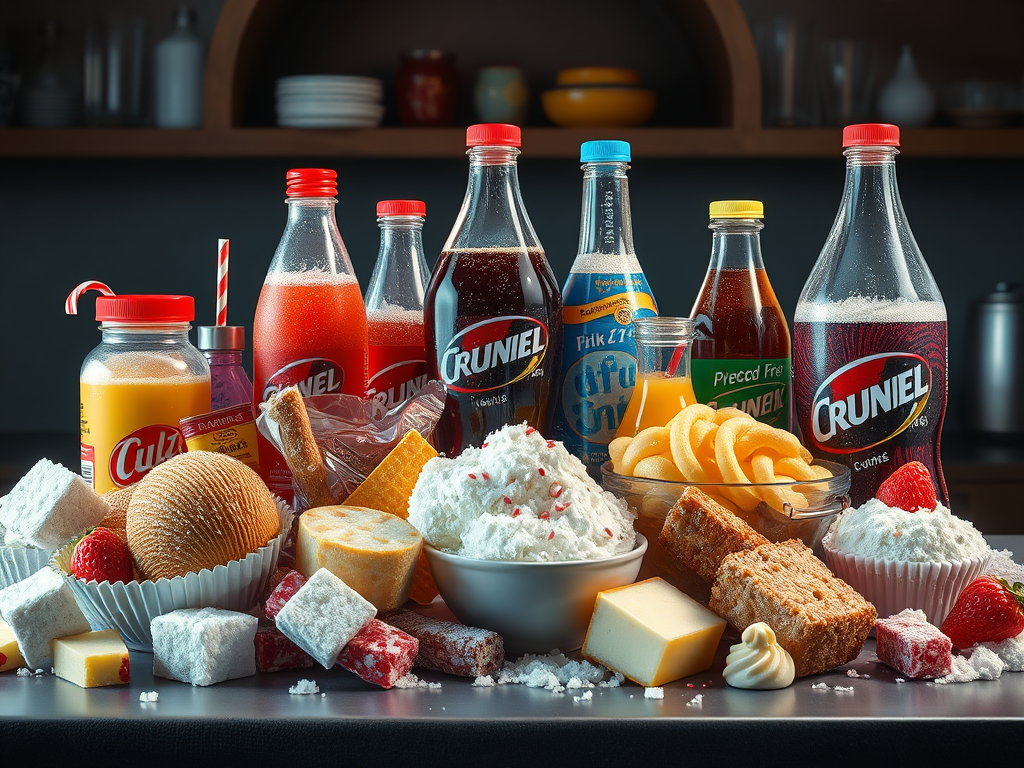
But processed foods aren’t the only problem. Processed beverages like juices, sodas and sports drinks tend to be very high in sugar and have been linked to accelerated brain aging, liver disease and cancer in women.

And after researchers at Tufts University assessed data collected between 1980 and 2018 from the Global Dietary Database consortium, they found that overindulgence in sugar-sweetened beverages also is a significant contributor to millions of heart disease and type 2 diabetes cases throughout the world, according to a study published in Nature Medicine.

The researchers also pointed out that many sugar-sweetened beverages are heavily marketed in lower and middle economic areas, which is particularly troubling because those areas are less equipped to handle the health issues. Most supermarket aisles are stocked with a wide range of sugar-sweetened beverages. Coffee house menus usually include items that have days’ worth of sugar in them. And some varieties of smoothies from retail smoothie bars are sugar bombs.        

Why Are Sugary Beverages So Unhealthy?

Researchers defined sugar-sweetened drinks as any beverage with 50 or more calories of added sugars. Sugar-sweetened drinks can be manufactured, commercially made or homemade and can include soft drinks, energy drinks, fruit drinks, punch, lemonade and aguas frescas. They excluded 100 percent fruit and/or vegetable juices, noncaloric artificially sweetened drinks and sweetened milk. Sugar-sweetened drinks are harmful because they are:

  • High in calories, contributing to weight gain
  • High in sugar. Based on AHA recommendations, these drinks have at least 50 percent of the daily recommended intake of sugar for women and 30 percent for men, raising the risk for various health issues.
  • Low in nutrients. Soda and energy drinks aren’t nutritious. Juices aren’t either, as the juicing process destroys the fiber in fruits in vegetables, stripping them of fiber and nutrients. Low-fiber foods and beverages leave your susceptible to overeating.
  • Rapidly digested. Liquids are digested quicker than food, making liquid sugar more problematic than solid sugar because it can spike blood sugar levels, triggering hunger when blood sugar levels crash.

In a nutshell, sugary beverages cause weight gain. Being overweight or obese raises your risk for insulin resistance and other metabolic issues that can evolve into heart disease – the number one cause of death in the U.S. – and type 2 diabetes, which has become an epidemic. Swap juices and smoothies with whole fruits and vegetables. Skip sodas, fruit drinks and punches and sports drinks. And of course, talk to your doctor for additional insights.

Acid Reflux and the Holidays

Cheers to the new year and big changes this year! I have exceptional news to share. My Army mission was cancelled so I will be able to return to clinic in Tulsa in the next week. My patients are welcome to call the office to schedule. Now, let’s get to our topic; gastroesophageal reflux disease.

It’s the holiday season – a time of joy, cheer and heartburn. Mainstream holiday fare – high-fat foods, alcohol and desserts – can trigger heartburn. Of course, heartburn isn’t just a holiday thing – many of us experience bad heartburn anytime we eat foods that are spicy or high in fat or drink alcohol – whether it’s New Year’s Eve or Super Bowl Sunday.

Celebrations can trigger heartburn because people tend to sit down, socialize, and eat and drink much more than usual.

Heartburn (also known as acid reflux or gastroesophageal reflux disease) affects nearly one-third of Americans. In 2024, Americans spent about $3 billion on over-the-counter antacids to ease heartburn and indigestion. This amount of money continues rising.

Signs of Heartburn:

Most people recognize heartburn as a painful burning sensation behind the breastbone that tends to worsen at night, after eating, when bending over or lying down. This burning is caused by stomach acid backing up in the esophagus (the muscular tube that carries food and liquids from the mouth to the stomach). There’s a band of muscles around the bottom of the esophagus – known as the esophageal sphincter. Normally, the sphincter is tight until you eat or drink something. At that point, the sphincter relaxes, allowing the passage of food and liquid into the stomach. When you are finished eating and drinking, the sphincter tightens. However, if the sphincter begins relaxing abnormally or weakens, you can experience a backflow of acid – hence the term acid reflux.

Heartburn Prevention:

Many people deal with heartburn on an occasional basis, particularly after special occasions, such as a dinner, cookout, or party. If this sounds like you, here are five tips to help you prevent it.

Avoid overeating. Too much food can expand your stomach, placing pressure on the esophageal sphincter and causing heartburn. Limit your portion sizes and overall amount of food you’re eating.

Eat slowly. Eating too quickly makes it more difficult for your digestive system to break down food, raising your chances for heartburn. Taking smaller bites and chewing food well before swallowing also helps.

Skip foods that elicit heartburn by relaxing the esophageal sphincter and increasing acid production. Foods that can relax the esophageal sphincter include high-fat foods (fried, marbled meats, cream sauces, whole dairy products), peppermint and caffeinated foods and beverages (chocolate, coffee, tea, cocoa). Foods that increase acid production include caffeinated foods and beverages, carbonated beverages, alcohol, spicy foods and acidic fruits and vegetables like oranges, grapefruits and tomatoes.

Wait a few hours after dinner before going to bed. Lying down after eating can trigger heartburn, so give yourself some time between dinner and going to bed and skip late-night snacking. Once you’re in bed, try not to sleep flat on your back as it can cause stomach contents to press against the esophageal sphincter. You can ease the pressure on your esophageal sphincter by propping your head higher than your stomach with a wedge pillow.

Wear loose-fitting clothes. Tight pants and belts can cause the stomach to jam its contents against the esophageal sphincter, which cause heartburn.

Talk to your doctor about your heartburn if you:

Struggle with heartburn multiple times a week.

Find that antacids have become ineffective.

Are experiencing nausea, vomiting, unintentional weight loss, or a loss of appetite.

I am also interested in knowing if my patients require daily Prilosec (omeprazole) or Nexium (esomeprazole) as this can change my management of your acid reflux.

Merry Christmas and happy new year!

Processed Red Meat Increases the Risk of Dementia

It’s not news that processed red meats such as bacon, sausage, hot dogs, jerky and cold cuts have a bad health rap. Studies have tied them to the risk of obesity, heart disease, stomach cancer and colorectal cancer. Some researchers suspect that processed red meat can affect cognitive health, even though study results have been inconsistent.

A recent study is pointing to another problem with processed red meat consumption: Eating hot dogs and sliced lunch meat may increase your risk for dementia, according to research presented at the 2024 Alzheimer’s Association International Conference in Philadelphia and online. 
 

Processed Red Meat and Dementia

Researchers working for the Channing Division of Network Medicine at Brigham and Women’s Hospital (Boston, MA) looked for a possible connection between processed red meat and decreased cognition by following more than 130,000 participants in the Nurses’ Health Study and Health Professionals Follow-Up Study for 43 years.

Every two to four years, researchers surveyed participants’ diets to track food frequency, such as how many servings of processed red meat they consumed. A serving of processed red meat is considered two slices of bacon, a hot dog, two links of sausage or kielbasa and one salami or bologna sandwich. During the study, 11,173 participants were diagnosed with dementia. After assessing the data, researchers found: 

  • Eating one-fourth of a serving or more of processed red meat each day raised the risk of developing dementia by 14 percent compared to participants who ate less than a tenth of a daily serving.
  • Swapping one serving of processed red meat with one serving of nuts and legumes each day lowered the risk of developing dementia by 20 percent.  

When researchers went deeper with 17,500 of the participants, they found an additional serving of processed red meat was linked to a hastening of cognitive aging by:

  • 1.61 years, primarily in the areas of overall cognitive function, language skills, executive function and cognitive processing.
  • 1.69 years primarily in the areas of verbal memory, i.e., recalling and understanding words and sentences.

Why are processed red meats unhealthy?

Processed red meats are convenient, affordable and a dietary staple for many Americans. In fact, food manufacturers estimate that Americans consume 800 million pounds of bologna, more than two billion pounds of bacon, 20 billion hot dogs and more than 250 million pounds of pepperoni every year. However, these meats have ties to health issues such as dementia, heart disease, type 2 diabetes and cancer because of the way they’re preserved.

  • Preserving meat prolongs shelf life, adds flavor and improves taste and color. There are two methods:   
    Smoking. Manufacturers cook the meat at a very high temperature. This triggers the formation of unhealthy chemicals, such as heterocyclic aminespolycyclic aminesacrylamide and acrolein. It also causes the pigment in hemoglobin – the protein inside red blood cells that carries oxygen around the body — to break down, forming N-nitroso, a compound that can damage DNA in cells. Furthermore, nitrates and nitrites are often added to help prolong shelf life, but nitrosamines can form when the meat is exposed to high heat.
  • Curing. Food companies add nitrite and sodium nitrite (salt) to meat to improve taste, create a pinkish color, reduce moisture from meat and slow bacterial growth.      

Researchers think the harmful nitrites/nitrates can harm the brain. Cured meats typically have a high salt content, which can elevate blood pressure and damage blood vessels that deliver oxygen and nutrients to the brain. Studies have linked high blood pressure with strokes and brain shrinkage. It’s also possible that high blood pressure plays a role in the development of brain plaques and tangles involved in Alzheimer’s disease.

Besides brain health, eating too much processed meat can affect your heart health. These meats are high in saturated fat, which can increase your bad cholesterol levels, raising your risk for a heart attack or stroke. Unhealthy blood fat levels also raise the risk for insulin resistance, a precursor to type 2 diabetes, which is another risk factor for heart disease.

Processed red meats also have a link to cancer. The chemicals in smoked meat can damage DNA, the root cause of cancer. A high heme intake has been linked to an increased risk of colorectal, pancreatic and lung cancer. Nitrosamines and excessive dietary salt both contribute to stomach cancer.

The study results did not find an association between meats that weren’t processed and dementia. Unprocessed meats, particularly lean meats, along with other components of the Mediterranean diet, such as nuts, seeds, legumes, fruits, vegetables, healthy fats, whole grains and less processed dairy have brain health benefits.


Tips for Controlling Sodium, Sodium Nitrites and Nitrates and Sodium in Your Diet


If you can’t do without your bacon and eggs at breakfast, you might be able to find a nitrate-free bacon that’s organic or from a local source like a farmer’s market. Make sure you cook the bacon at a lower heat and for a longer time without burning it. You can also replace bacon with grilled mushrooms or eggplant because of their savory flavor. Some stores even carry mushroom bacon and/or eggplant bacon. Of course, if you’re looking for a protein substitute, consider cheese.

For lunch, swap your deli meat sandwiches with canned tuna or salmon. Skinless barbecue chicken also might work. If you snack on processed meats like jerky, try cheese with healthy crackers, vegetables with a healthy yogurt dip or humus with pita bread.

Read food labels. Prepackaged food items should not have more than 500 mg of sodium per serving. Avoid foods that list sodium nitrate E251, sodium nitrite E250 or potassium nitrite E249. Be careful if you see the terms “uncured” or “no nitrites added” on labels. These meats aren’t necessarily healthier. They may have used another method of preserving, such as celery powder and still be high in nitrites and nitrates.

Your best bet is unprocessed meats like fresh chicken, turkey, beef, pork, and fish.

What’s the Word on Hormone Therapy in Women?

HRT Reimagined: Fresh Evidence That’s Finally Freeing Women from the Fear

My next couple of blog posts will focus on hormone replacement therapy. Let’s begin with the topic that will affect 100% of women.

For over two decades, hormone replacement therapy (HRT) has been the villain in the menopause story, thanks to a single study that sent shockwaves through women’s health. But what if I told you the plot twist is here? As of November 2025, the FDA just stripped away those scary black box warnings, backed by mountains of new data showing HRT isn’t the risk-laden monster we thought. It’s more like a trusty sidekick – powerful when timed right, personalized, and used wisely.

If you’re navigating hot flashes, bone worries, or that foggy brain fog, this post is your roadmap. We’ll unpack the old myths, spotlight the game-changing evidence, and chart a path forward. Because menopause isn’t a crisis; it’s a chapter, and you’ve got the tools to own it.

The Shadow That’s Lifting: A Quick History Lesson

Picture the early 2000s: The Women’s Health Initiative (WHI) study drops like a bombshell, linking HRT to higher risks of breast cancer, heart disease, and stroke. Prescriptions plummeted 80%, and generations of women suffered in silence, opting for symptom bandaids over real relief. But here’s the catch – that study used an outdated progesterone formula on women averaging 63 years old, well past prime time for starting HRT. Fast-forward to today: Reanalyses and fresh trials reveal those risks were overstated, especially for younger women. It’s like judging a Ferrari by how it handles in a snowstorm -context is everything.

The New Evidence: Benefits That Outshine the Risks

Science doesn’t stand still, and neither has our understanding of HRT (think estrogen alone for women without a uterus, or combined with progestogen for those with one). The 2025 Menopausal Hormone Therapy Guidelines and recent mega-studies paint a brighter picture, emphasizing that when you start matters more than ever.

Hot Flashes and Beyond: Symptom Superhero HRT slashes vasomotor symptoms (those infamous hot flashes and night sweats) by up to 75% with standard doses, or 65% with low ones – far better than any non-hormonal alternative. It also tackles genitourinary syndrome (vaginal dryness, UTIs) with low-dose topical estrogen, which barely absorbs systemically and keeps things safe. Newer options like neurokinin antagonists (e.g., fezolinetant) are emerging for those who can’t or won’t go hormonal, but HRT remains the gold standard for full relief.

Heart, Bones, and Brain: Long-Term Wins Initiate within 10 years of menopause (or before 60), and the perks stack up: 25-50% drop in fatal heart events, 50-60% fewer bone fractures, 64% less cognitive decline, and 35% lower Alzheimer’s risk. A massive 2025 cohort study of 120 million records confirmed no uptick in breast cancer, heart attacks, or strokes for perimenopausal starters—actually hinting at protective effects. All-cause mortality dips by 30%, too. It’s like investing early in a compound-interest account for your health.

The Fine Print on Risks: Manageable, Not Monstrous No sugarcoating: Combined HRT carries a modest breast cancer bump (about 9 extra cases per 10,000 women over 20 years), but estrogen alone actually lowers it long-term. Blood clots (VTE) double with oral forms – especially in year one – but transdermal patches slash that risk. Strokes? Only a concern if you start late (post-60). And dementia? Tied to older initiators, not early birds. The FDA’s warning purge reflects this: Modern formulations and timing flip the script.

Making It Yours: A Personalized Playbook

This isn’t one-size-fits-all; it’s personalized medicine. Chat with your doc about your history – family cancers? Clotting issues? They’ll tailor dose (lowest effective wins), route (transdermal for safety), and duration (no hard cutoff at 65 if it’s helping). For early menopause or POI, aim to continue till your mid-50s. And pro tip: Pair it with lifestyle allies like weight training for bones or mindfulness for stress—HRT amplifies, it doesn’t solo.

WHAT’S THE BOTTOM LINE?

For women under 60 or within 10 years of menopause, HRT’s benefits (75% symptom relief, 50% heart protection, 30% mortality drop) outweigh risks (modest breast/clot bumps, minimized by transdermal/low-dose). Individualize it – chat with your doc.

Getting a Good Night’s Sleep Helps Your Heart

Do you like sleeping in on the weekends? Many of us look forward to staying under the covers on our Saturdays and Sundays, especially after a late night or a long week. The extra shuteye helps us recover from missed sleep during the week.

Or so we think. Unfortunately, this kind of inconsistent sleep pattern has consequences for our health – from our relationships to our diet, and, perhaps most importantly, our heart. And trying to catch up on the weekends doesn’t seem to help. Restorative sleep also happens to be one of the six pillars of lifestyle medicine, meaning it’s imperative!

According to a 2023 study, sleep irregularity and atherosclerosis are linked. Atherosclerosis is a condition where plaque — cholesterol, fats and other substances – build up along the arterial walls. This plaque can reduce the flow of oxygen to critical organs, ultimately leading to a heart attack or stroke.

How can your sleep patterns affect your arteries?

First, let’s discuss the benefits of good sleep habits. Our bodies remain busy, even while we sleep.

Throughout the night, our heart and respiration rates change. Our metabolism slows down, conserving energy. Blood pressure rises and falls. Hormones release to help repair cells and restore energy. The brain stores new information and rids itself of toxins. Even nerve cells get busy, talking to each other and reorganizing to support healthy brain functions.

These processes support many of the functions our bodies handle on a daily basis– from helping repair muscles to supporting our emotional health. Good sleep also can improve insulin regulation and strengthen our immune system. It even supports weight management efforts.

If you’re not getting enough sleep — or if your sleep schedule is irregular —you’re depriving your body of these benefits and putting yourself at risk for all sorts of conditions, including metabolic disorders, diabetes, heart disease and obesity.

The studies linking poor quality and irregular sleep to these conditions have been piling up for years. Consider one from 2019 on sleep and metabolism. In the study, researchers split a group of 36 people into three groups for a two-week experiment: the first group slept up to nine hours a night; the second was allowed only five hours of sleep; and the third slept five hours during the week but could sleep late on the weekends.

Participants in the second and third groups gained weight and had reduced insulin sensitivity, both risk factors for type 2 diabetes. That’s in just two weeks! Imagine the impact if they had kept up their poor sleep schedule.

So back to how this can affect our heart health. Earlier studies have tied poor sleep patterns to high blood pressure, type 2 diabetes, depression, asthma and obesity, which all negatively impact the heart.

The new study didn’t look just at a lack of sleep but at irregular sleep, as well. Participants who had irregular sleep schedules were more likely to have a coronary artery calcium score above 300, which is associated with a higher risk of heart attack. They were also more likely to have an abnormal ankle-brachial index, which can indicate narrowing or blockage of blood vessels that carry blood from your heart to your legs. Both indicate atherosclerosis.

How do you lower this risk? Start by getting more sleep and sleeping more regularly. Guidelines from the Centers of Disease Control and Prevention recommend that you sleep at least seven hours a night if you’re 18 to 60. If you’re older, you may need seven to nine hours.

If you’re having trouble getting enough sleep, work with your primary care physician. They know how important sleep is and can help coach you.

I like to sleep in on weekend mornings as much as the next person. Just don’t let those sleep-ins be a substitute for the sleep you should be getting every night.

Understanding Your Metabolic Health

Fundamentally, your metabolic health is about how well your body responds to and processes food. Our metabolism’s job is to convert what we eat and drink into energy to power your body’s functions. When everything is working well, your body has the energy to do a range of amazing things – from breathing to circulating blood to creating and repairing cells to movement and exercise.

Unfortunately, abnormal chemical reactions in your body can disrupt this process. This is called a metabolic disorder, and when it occurs, your body can end up with too much of one thing and not enough of another, resulting in poorer health.

Your unique metabolic health is shaped by some things you cannot control – your age, gender and genes – as well as things that you can, including your gut microbiome, your stress level, mental health, sleep, diet and exercise. It’s a complex mechanism that can be difficult to fine tune for good health.

However, there are positive approaches you can make to maintain and maximize your metabolic health status. First, let’s look a little deeper at metabolic health.

Metabolic Health 101

At its most basic but also most critical level, metabolism sustains the minimal energy required for life, providing constant fuel for essential bodily functions. Think of it as all the systems that our body powers without any thought or action on our part – all the functions essential to life even when we’re resting that still require calories: breathing, digestion, thought, body temperature regulation, blood circulation, cell growth and repair, and hormone level management.

How much energy your body needs to perform these tasks has a name: basal metabolic rate (BMR). BMR is the minimum amount of calories your body needs to function when you’re at rest and not doing anything. Typically, those processes above use 60 to 70 percent of the fuel we consume. Your digestive system uses about 10 percent to process foods and the rest fuels physical movement.

Though there are averages, this mix is unique to individuals. An athlete might consume more calories to fuel movement and the percentages change. Someone who lives a sedentary life may consume fewer calories because they move less.

These adjustments can be frustrating, especially if you struggle with weight. For example, a fast metabolism makes it easy for some people to eat a lot of food and not gain weight. A slow metabolism may make it hard for people to lose weight just by cutting calories.

Since your metabolism naturally regulates itself to meet your body’s demands, this is also why weight loss can stall, slow down or plateau due to significant calorie intake reduction and rapid weight loss decreasing your BMR. The relationship between metabolism and weight is complex.

Things That Affect Your Metabolic Health

Ironically, how much you weigh and how much fat your body has are some of the things that most affect your metabolic health. For example, abdominal fat cells can raise levels of free fatty acids. These are chemicals that can raise the levels of hormones that affect how your body controls blood glucose levels, the basic energy blocks our metabolism creates from food.

For example, if you have too much adiposity in your midsection, your body may not respond well to insulin, which is the key to getting glucose from your bloodstream and into your cells where it can power your body. This is called insulin resistance.
These same free fatty acids can raise your bad LDL cholesterol levels and lower your good cholesterol levels, putting you at risk for heart disease. Insulin resistance can cause hypertension and raise triglyceride levels, which can cause artery walls to harden. 

These extra fatty acids can also cause increased inflammation, which can cause plaque to build up inside your artery walls. This plaque can break off resulting in a heart attack or stroke.

So, high blood sugar, high LDL or bad cholesterol, low HDL or good cholesterol, high triglycerides and hypertension can all be signs of poor metabolic health – any three of this combination is called metabolic syndrome. 

How to Support Your Metabolism and Your Metabolic Health

It may naturally regulate, but that doesn’t mean your metabolic health is just on autopilot. For your metabolism to perform efficiently requires some focus and action on your part. Mainly you need to eat a well-balanced diet that provides all the essential nutrients your body’s complex biological functions and processes need. See my blog post about macronutrients and special diets. https://myhealthyliving.org/2025/06/01/which-diet-is-best/

Eat at regular times and eat the right amount of calories. Your doctor can help you determine your Basal Metabolic Rate and help you calculate how many calories per day is appropriate for your BMR and your activity.

Beyond diet, you need to get enough exercise (resistance and interval training) and sleep — at least seven hours per night. Shorter sleep is associated with more belly fat and metabolic disorders.

You also need to manage your mental health and stress. Though not directly linked to metabolic rate, stress can impact how much we eat and how much (or little we sleep).

If you’re struggling with any of these things, partner with your doctor to assess lifestyle changes and medications that can help turn your metabolic health around.

Now, it’s time for something new. This is my first of (hopefully) many meal preparation vlogs. Let me know what you think below and don’t forget to click the “Subscribe” button on this web page to get notifications every time I post.

Are Sugar-Free Beverages Helping You Lose Weight? Study Says No

We often associate sugary drinks like sodas with the obesity crisis, which has been plaguing the U.S. since late 1970s.

Of course, many variables are involved, but studies suggest that sugar-sweetened beverages are a prime culprit. Regular consumption of sugar-sweetened beverages like sodas, flavored waters, smoothies, sports drinksspecialty coffees, sweet tea and fruit juices have been linked to weight gain and obesity and raise the risk for serious health conditions such as type 2 diabetes, kidney diseases, gout, non-alcoholic fatty liver diseaseheart diseasebrain aging and tooth decay and cavities, according to the U.S. Centers for Disease Control and Prevention (CDC).    

Sugary drinks have been contributing to health issues for decades. Big Soda has tried capitalizing on these health issues by offering alternative products. For example, Royal Crown Cola’s Diet Rite was introduced in 1958, appealing to Americans who were trying to lower their calories and/or sugar intake. Since then, a wide array of soft drinks and foods are made with artificial sweeteners – an industry that grew into a nearly $5 billion business with about 40 percent of Americans as consumers.

Artificial Sweeteners

The problem is, artificial sweeteners can’t help you manage your weight – at least not long term, according to a study conducted by University of Southern California and published in Nature Metabolism.

There are eight artificial sweeteners approved by the U.S. Food and Drug Administration (FDA), according to the Mayo Clinic; they include:

  • Acesulfame potassium – used in Sweet One and Sunett.
  • Advantame.
  • Aspartame – used in NutraSweet and Equal.
  • Neotame – used in Newtame.
  • Saccharin – used in Sweet’N Low.
  • Sucralose- used in Splenda.
  • Luo han guo – used in Monk Fruit in the Raw.
  • Purified stevia leaf extracts – used in Truvia, PureVia, others.

In this new study, researchers only looked at sucralose, a common, all-purpose artificial sweetener used in baked goods, beverages, chewing gum, gelatins, frozen dairy desserts, Diet Coke with Splenda, Diet Pepsi with Splenda, Gatorade’s Propel Water, low-calorie Kool-Aid and Atkins Diet products. Sucralose is considered generally recognized as safe when consumed in moderation. But study results are mixed regarding its long-term effects.

Researchers recruited 75 subjects evenly split between male and female and weight status, i.e., healthy weight, overweight or obese. Participants had three visits. Each visit they had: 

  • Baseline brain scan, blood samples and survey to determine hunger levels
  • 300 ml of plain water, a drink sweetened with 75 grams of sugar and a drink sweetened with sucralose. The sugar- and sucralose-sweetened drinks were the equivalent of 16-ounce can of sugary soda.
  • Follow-up brain scan, blood samples and survey to determine hunger levels several times for the following two hours

Subjects also underwent fMRI scans (or functional MRI). This type of MRI scan shows the most active areas of the brain. This helped researchers understand how regions of the brain communicate with one another.

Although the study was small, researchers were able to document the differences within and between subjects.

When participants drank the sugary drink, their hunger was dampened, and their peripheral glucose levels rose. But when they drank the non-caloric sucralose sweetened drink, activity in their hypothalamus grew by 20 percent compared to the sugary drink. The hypothalamus is the area of the brain that produces hormones that control hunger. Increased blood flow and activity correlates to increased appetite, researchers said. The sucralose sweetened drinks also caused a stronger hypothalamic reaction than plain water.

These effects were more pronounced in obese subjects. Earlier studies saw similar effects in animals.

Should You Give Up Your Diet Drinks?

It depends. How much are you consuming? Studies have found moderate amounts artificial sweeteners safe for healthy adults. They also can help manage weight when used in moderation or on a short-term basis because they help control your caloric and sugar intake.

But realize that researchers have questioned the benefits of artificial sweeteners for years. In fact, the World Health Organization issued an advisory in May 2023 warning consumers that beverages and foods with sugar substitutes is associated with weight gain because they trigger hunger.

Previous studies also link sucralose with insulin resistance and liver inflammation. Moreover, sucralose has been found to cause gut microbiome imbalances by cutting the number of good bacteria by half.

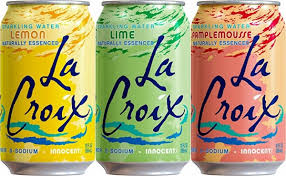
Artificial sweeteners also are much sweeter than sugar – sucralose is 600 times sweeter than sugar – which means they can affect how food and beverages taste. This is why you’re usually better off getting natural sugar from whole foods like fruits whenever possible. My favorite non-sweetened beverage is the lime La Croix sparkling water. Comment your favorite beverage below!

Chakravartti, S.P., Jann, K., Veit, R. et al. Non-caloric sweetener effects on brain appetite regulation in individuals across varying body weights. Nat Metab 7, 574–585 (2025). https://doi.org/10.1038/s42255-025-01227-8

Boosting the Immune System

The human immune system is a wonderful thing. It responds quickly when we’re injured (the swelling around a sprained joint or a small cut), it attacks microscopic invaders like viruses and bacteria, and it even stores information that helps it fight future infections. It’s a beautiful protector that we’re partially born with and partially develop throughout our life. 

Unfortunately, our lifestyle often undermines that system. For instance, stress weakens our immune system. So does a lack of sleep. Being sedentary can lead to immune system dysfunction. And depression, anxiety — even grief — take their toll. 

As does our Western diet, which is filled with processed and ultra-processed foods but low in immune-boosting ingredients. While many people are correct in connecting nutrition with a strong immune system, the relationship between the foods we eat, and our body’s defensive shield is far more complex than simply drinking orange juice, taking a supplement, or chicken soup during cold and flu season.

Foods that Cause Inflammation

Bad diets damage our immune system in surprising, contradictory ways. Processed and ultra-processed foods, for example, are linked to inflammation – a component of our immune response. 

When we get hurt or have an infection, there’s a localized immune response: Blood flows to the area, small blood vessels dilate and white blood cells rush in to fight the infection and begin repairing damage. The process raises inflammation levels as a result, which is normal, even necessary.

But sometimes our immune system stays active long after the initial response is over and no longer needed. This is called chronic inflammation – and it’s harmful. Chronic inflammation is linked to many diseases such as diabetes, heart disease, nonalcoholic fatty-liver disease, obesity, depression and autoimmune disorders. It also impairs our immune response, making it more likely an infection can take hold. 

What’s the connection between diet and chronic inflammation? Specific foods like red meat, sodas, simple carbs like white bread, pasta and pastries, fried foods, some vegetable oils and processed meat contribute to inflammation. Studies link sugar (including high-fructose corn syrup)trans fats (often found in processed foods) and red and processed meats to inflammation and disease.

How You Should Eat for A Stronger Immune System

As we get older, the problem gets worse. Older Americans who are frail, obese or malnourished tend to experience a weaker immune response. Diets heavy on convenience foods tend to be short on essential micronutrients that strengthen our immune system. 

Micronutrients include vitamins — A, B-complex, C, D, and E — and minerals — calcium, phosphorus, magnesium, sodium and potassium. A balanced diet that is comprised of good sources of micronutrients (fruits, vegetables, whole grains, dairy products and lean meat, poultry, and fish), along with soluble fiber (legumes, Brussels sprouts, sweet potatoes), healthy fats  (avocados, olive oil, nuts and seeds) and healthy proteins (lean meats, poultry, and fish) can actually boost your immune system.

This is one reason health experts  promote the Mediterranean diet. It’s loaded with immune-boosting foods such as olive oil, fish, fruits, vegetables, legumes and whole grains while limited in processed foods and red meat.  The Mediterranean diet also is credited with maintaining a healthy gut – another key element of strong immunity. 

Foods that Boost Your Immune System

The best way to absorb these nutrients and reap their benefits is by eating them as part of a healthy diet, as opposed to taking supplements. Here are some examples of immunity boosting  foods that you can integrate in your diet:

  1. Citrus vegetables like peppers, and fruits like papaya are significant sources of vitamin C, which is thought to improve the production of white blood cells.
  2. Orange vegetables — carrots and sweet potatoes — have beta-carotene, which turns into vitamin A and supports your immune system.
  3. Cruciferous vegetables such as broccoli, cauliflower, Brussels sprouts, kale and arugula are powerhouses of vitamins that help your immune system including A, C and E. They also have fiber, which supports the growth of certain valuable microbes that in turn help your immune system.
  4. Many seeds and nuts contain vitamin E, which helps modulate your immune system. They also have trace minerals like selenium, phosphorus and magnesium, which have been shown to boost immunity.
  5. Dairy products, particularly milk and yogurt, and along with mushrooms and some fatty fish also are good sources of vitamin D, which has anti-inflammatory properties and helps balance and regulate the immune system.
  6. Ginger and garlic, common cooking ingredients, are high in antioxidants and have anti-inflammatory, antiviral and antibacterial benefits – all beneficial to the immune system. 

What about alcohol?

Finally, alcohol also affects your immune system in several ways. It can destroy microbes in your digestive tract that support your immune system. It also leads to inflammation. The more you drink, the greater the effect.

Nutrition is just one factor — an important one — in our immune system’s health. In addition to eating well, we also need to exercise, keep our weight in check and manage our stress. Doing all these things can be a recipe for immunological success.

Now, you should remember that life is about moderation. While my next recipe is not the epitome of health, it offers a variety of micronutrients that can boost your immune system while still offering zeal in your life!

Shrimp linguine with broccoli and garlic whole grain bread:

Saute garlic, butter, and 1.5lb peeled shrimp in your cast iron skillet. While this is cooking, bake frozen broccoli at 425F for 15 minutes and boil whole grain linguine pasta for around 10 minutes.

Once the shrimp has finished cooking, add 1 cup of heavy whipping cream to the skillet and stir in 3/4 cup grated Parmesan cheese, 1 spoonful at a time. Add freshly ground pepper, salt, 1/2 cup chopped parsley, and 3 tablespoons chopped bail.

In the final 5 minutes of the broccoli bake, throw in your sliced whole grain bread that is covered in mozzarella cheese and sprinkle with garlic powder. This was a fan favorite in my house and even tempted my toddler, which is saying something! Remember to use whole grain pastas and breads for the extra nutrient punch.