Understanding Your Metabolic Health

Fundamentally, your metabolic health is about how well your body responds to and processes food. Our metabolism’s job is to convert what we eat and drink into energy to power your body’s functions. When everything is working well, your body has the energy to do a range of amazing things – from breathing to circulating blood to creating and repairing cells to movement and exercise.

Unfortunately, abnormal chemical reactions in your body can disrupt this process. This is called a metabolic disorder, and when it occurs, your body can end up with too much of one thing and not enough of another, resulting in poorer health.

Your unique metabolic health is shaped by some things you cannot control – your age, gender and genes – as well as things that you can, including your gut microbiome, your stress level, mental health, sleep, diet and exercise. It’s a complex mechanism that can be difficult to fine tune for good health.

However, there are positive approaches you can make to maintain and maximize your metabolic health status. First, let’s look a little deeper at metabolic health.

Metabolic Health 101

At its most basic but also most critical level, metabolism sustains the minimal energy required for life, providing constant fuel for essential bodily functions. Think of it as all the systems that our body powers without any thought or action on our part – all the functions essential to life even when we’re resting that still require calories: breathing, digestion, thought, body temperature regulation, blood circulation, cell growth and repair, and hormone level management.

How much energy your body needs to perform these tasks has a name: basal metabolic rate (BMR). BMR is the minimum amount of calories your body needs to function when you’re at rest and not doing anything. Typically, those processes above use 60 to 70 percent of the fuel we consume. Your digestive system uses about 10 percent to process foods and the rest fuels physical movement.

Though there are averages, this mix is unique to individuals. An athlete might consume more calories to fuel movement and the percentages change. Someone who lives a sedentary life may consume fewer calories because they move less.

These adjustments can be frustrating, especially if you struggle with weight. For example, a fast metabolism makes it easy for some people to eat a lot of food and not gain weight. A slow metabolism may make it hard for people to lose weight just by cutting calories.

Since your metabolism naturally regulates itself to meet your body’s demands, this is also why weight loss can stall, slow down or plateau due to significant calorie intake reduction and rapid weight loss decreasing your BMR. The relationship between metabolism and weight is complex.

Things That Affect Your Metabolic Health

Ironically, how much you weigh and how much fat your body has are some of the things that most affect your metabolic health. For example, abdominal fat cells can raise levels of free fatty acids. These are chemicals that can raise the levels of hormones that affect how your body controls blood glucose levels, the basic energy blocks our metabolism creates from food.

For example, if you have too much adiposity in your midsection, your body may not respond well to insulin, which is the key to getting glucose from your bloodstream and into your cells where it can power your body. This is called insulin resistance.
These same free fatty acids can raise your bad LDL cholesterol levels and lower your good cholesterol levels, putting you at risk for heart disease. Insulin resistance can cause hypertension and raise triglyceride levels, which can cause artery walls to harden. 

These extra fatty acids can also cause increased inflammation, which can cause plaque to build up inside your artery walls. This plaque can break off resulting in a heart attack or stroke.

So, high blood sugar, high LDL or bad cholesterol, low HDL or good cholesterol, high triglycerides and hypertension can all be signs of poor metabolic health – any three of this combination is called metabolic syndrome. 

How to Support Your Metabolism and Your Metabolic Health

It may naturally regulate, but that doesn’t mean your metabolic health is just on autopilot. For your metabolism to perform efficiently requires some focus and action on your part. Mainly you need to eat a well-balanced diet that provides all the essential nutrients your body’s complex biological functions and processes need. See my blog post about macronutrients and special diets. https://myhealthyliving.org/2025/06/01/which-diet-is-best/

Eat at regular times and eat the right amount of calories. Your doctor can help you determine your Basal Metabolic Rate and help you calculate how many calories per day is appropriate for your BMR and your activity.

Beyond diet, you need to get enough exercise (resistance and interval training) and sleep — at least seven hours per night. Shorter sleep is associated with more belly fat and metabolic disorders.

You also need to manage your mental health and stress. Though not directly linked to metabolic rate, stress can impact how much we eat and how much (or little we sleep).

If you’re struggling with any of these things, partner with your doctor to assess lifestyle changes and medications that can help turn your metabolic health around.

Now, it’s time for something new. This is my first of (hopefully) many meal preparation vlogs. Let me know what you think below and don’t forget to click the “Subscribe” button on this web page to get notifications every time I post.

Taking a GLP-1 Drug? Here’s What You Need to Know About Nutrition

In recent years, GLP-1 weight-loss medications have become one of the most talked-about developments in the fight against obesity and type 2 diabetes. With brand names like Wegovy, Ozempic, Mounjaro, Zepbound and Trulicity, these drugs have evolved from diabetes treatments to powerful tools for weight management. Currently, about 12 percent of American adults have used a GLP-1 drug, according to a medical brief published in JAMA.

What Are GLP-1 Drugs?

GLP-1 drugs are a class of medications that mimic the hormone glucagon-like peptide 1 (GLP-1). Originally designed to help manage type 2 diabetes, they have since been adapted to promote weight loss by targeting the brain’s appetite centers, regulating blood sugar and reducing cravings. One newer drug, Mounjaro, also activates GIP receptors—another hormone involved in regulating appetite—making it even more effective for some people. Many users report that these drugs help quiet “food noise”—the constant preoccupation with eating.  

On average, people who take GLP-1 medications lose between 10 and 15 percent of body weight over a year. Some users lose as much as 20 percent, according to Columbia University Department of Surgery. 

In addition to managing type 2 diabetes and controlling weight, studies also found that these drugs may lower the risk of heart attacks and strokesreduce alcohol consumption, treat obstructive sleep apnea, and improve brain and mental health. In fact, some GLP-1s are FDA-approved for people with obesity and related cardiovascular conditions, according to the US Food and Drug Administration.

Should You Take a GLP-1 Drug?

These drugs aren’t designed for people trying to lose vanity weight. They’re intended for people with either type 2 diabetes, a BMI higher than 27 plus high blood pressure, sleep apnea, atherosclerotic cardiovascular disease, or a BMI higher than 30. Furthermore, people with type 1 diabetes, diabetic retinopathy, pancreatitis, a personal or familial history of certain thyroid cancer or pregnant women should not take a GLP-1 drug.    

Like many medications, GLP-1 drugs can cause side effects. Two common side effects are nausea and upset stomach. Both can be alleviated by taking the medication with food and drinking ginger tea. Other typical side effects like headache, fatigue, runny nose, sore throat, changes in vision and injection site reactions may subside over time. Occasionally, GLP-1s cause gall bladder, kidney, pancreas, thyroid and/or stomach issues, which can interfere with your usage of the drug.  

There also are a handful of other considerations. Let’s start with the price – it’s usually hundreds of dollars per month and often not covered by insurance. You may regain weight once you stop taking the medication, unless you make some significant behavioral changes, like doing regular strength training. Focusing on nutrition and getting plenty of protein in your diet is also beneficial.   

The Critical Role of Nutrition

GLP-1 drugs slow the speed at which food moves through your digestive system, helping you feel fuller longer. Two tactics to help prevent stomach discomfort after meals are drinking ginger tea and eating five or six small meals throughout the day, plus healthy snacks. 

Nutrient-dense food choices will help maximize the benefits of the medication. In other words, skip empty calories from greasy fried foods, sugary over-processed foods and alcohol. Instead, choose foods rich in protein, fiber and nutrients. You should include protein, a fruit or vegetable, and whole grain with each meal. Examples of foods that should be kept on rotation include eggs, fish, chicken, Greek yogurt, cottage cheese, nuts and beans for protein, as well as oats, berries, whole grains, green leafy vegetables and lentils for fiber. Once again, plenty of protein is a must to avoid muscle loss; see my post from June 1, 2025 for information on how much protein you should be consuming.

Lastly, it’s imperative to stay hydrated. GLP-1 medications are known for suppressing thirst. This is a problem because dehydration contributes to side effects, particularly nausea, fatigue and headaches. Ideally, you should drink between 8 and 10 glasses of fluid each day. Your go-to drinks should include water, herbal teas, broth-based soups, or fresh vegetable juices. Limit sugary, overly processed and/or caffeinated beverages.  

Work Closely with Your Primary Care Physician  

You’ll also want to work closely with your primary care physician. They can help assess your individual risk factors, rule out underlying medical causes, and develop a personalized plan that’s safe and effective for your situation. Your doctor also will be your biggest advocate, reminding you that losing weight is difficult and the importance of lifestyle factors, such as nutrition and exercise. Lastly, your doctor can help develop a comprehensive, sustainable approach to achieving and maintaining a healthier weight if you decide to stop taking a GLP-1 drug. 

One of my favorite meals is this orange smoothie. It is high in antioxidants, protein, and fiber from the wide spread of fruit and whole grains. The best part of this meal is that it will keep you satiated until lunch time.

In your blender, add 1 cup of water or almond milk, 1 cup of ice, 2 peeled oranges, 1 banana, a splash of vanilla extract, a quarter cup of oats, and 1 scoop of vanilla protein powder. Blend to a smooth consistency and enjoy! Don’t forget to subscribe for updates on every one of my posts and share your favorite smoothie recipes below.

Are Sugar-Free Beverages Helping You Lose Weight? Study Says No

We often associate sugary drinks like sodas with the obesity crisis, which has been plaguing the U.S. since late 1970s.

Of course, many variables are involved, but studies suggest that sugar-sweetened beverages are a prime culprit. Regular consumption of sugar-sweetened beverages like sodas, flavored waters, smoothies, sports drinksspecialty coffees, sweet tea and fruit juices have been linked to weight gain and obesity and raise the risk for serious health conditions such as type 2 diabetes, kidney diseases, gout, non-alcoholic fatty liver diseaseheart diseasebrain aging and tooth decay and cavities, according to the U.S. Centers for Disease Control and Prevention (CDC).    

Sugary drinks have been contributing to health issues for decades. Big Soda has tried capitalizing on these health issues by offering alternative products. For example, Royal Crown Cola’s Diet Rite was introduced in 1958, appealing to Americans who were trying to lower their calories and/or sugar intake. Since then, a wide array of soft drinks and foods are made with artificial sweeteners – an industry that grew into a nearly $5 billion business with about 40 percent of Americans as consumers.

Artificial Sweeteners

The problem is, artificial sweeteners can’t help you manage your weight – at least not long term, according to a study conducted by University of Southern California and published in Nature Metabolism.

There are eight artificial sweeteners approved by the U.S. Food and Drug Administration (FDA), according to the Mayo Clinic; they include:

  • Acesulfame potassium – used in Sweet One and Sunett.
  • Advantame.
  • Aspartame – used in NutraSweet and Equal.
  • Neotame – used in Newtame.
  • Saccharin – used in Sweet’N Low.
  • Sucralose- used in Splenda.
  • Luo han guo – used in Monk Fruit in the Raw.
  • Purified stevia leaf extracts – used in Truvia, PureVia, others.

In this new study, researchers only looked at sucralose, a common, all-purpose artificial sweetener used in baked goods, beverages, chewing gum, gelatins, frozen dairy desserts, Diet Coke with Splenda, Diet Pepsi with Splenda, Gatorade’s Propel Water, low-calorie Kool-Aid and Atkins Diet products. Sucralose is considered generally recognized as safe when consumed in moderation. But study results are mixed regarding its long-term effects.

Researchers recruited 75 subjects evenly split between male and female and weight status, i.e., healthy weight, overweight or obese. Participants had three visits. Each visit they had: 

  • Baseline brain scan, blood samples and survey to determine hunger levels
  • 300 ml of plain water, a drink sweetened with 75 grams of sugar and a drink sweetened with sucralose. The sugar- and sucralose-sweetened drinks were the equivalent of 16-ounce can of sugary soda.
  • Follow-up brain scan, blood samples and survey to determine hunger levels several times for the following two hours

Subjects also underwent fMRI scans (or functional MRI). This type of MRI scan shows the most active areas of the brain. This helped researchers understand how regions of the brain communicate with one another.

Although the study was small, researchers were able to document the differences within and between subjects.

When participants drank the sugary drink, their hunger was dampened, and their peripheral glucose levels rose. But when they drank the non-caloric sucralose sweetened drink, activity in their hypothalamus grew by 20 percent compared to the sugary drink. The hypothalamus is the area of the brain that produces hormones that control hunger. Increased blood flow and activity correlates to increased appetite, researchers said. The sucralose sweetened drinks also caused a stronger hypothalamic reaction than plain water.

These effects were more pronounced in obese subjects. Earlier studies saw similar effects in animals.

Should You Give Up Your Diet Drinks?

It depends. How much are you consuming? Studies have found moderate amounts artificial sweeteners safe for healthy adults. They also can help manage weight when used in moderation or on a short-term basis because they help control your caloric and sugar intake.

But realize that researchers have questioned the benefits of artificial sweeteners for years. In fact, the World Health Organization issued an advisory in May 2023 warning consumers that beverages and foods with sugar substitutes is associated with weight gain because they trigger hunger.

Previous studies also link sucralose with insulin resistance and liver inflammation. Moreover, sucralose has been found to cause gut microbiome imbalances by cutting the number of good bacteria by half.

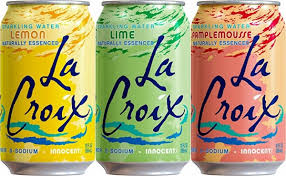
Artificial sweeteners also are much sweeter than sugar – sucralose is 600 times sweeter than sugar – which means they can affect how food and beverages taste. This is why you’re usually better off getting natural sugar from whole foods like fruits whenever possible. My favorite non-sweetened beverage is the lime La Croix sparkling water. Comment your favorite beverage below!

Chakravartti, S.P., Jann, K., Veit, R. et al. Non-caloric sweetener effects on brain appetite regulation in individuals across varying body weights. Nat Metab 7, 574–585 (2025). https://doi.org/10.1038/s42255-025-01227-8

Which diet is best?

Many of my patients ask me which diet is best to help them lose weight, live longer, improve physical prowess, reduce blood sugar, among many other reasons people choose to diet. They’re often shocked when I tell them I don’t like the word ‘diet.’ The term insinuates that you will be operating a very strict food regimen for a short period of time to achieve a desired effect. Think about your friend or coworker that said they were going on the ‘X’ diet for ‘Y’ reasons. You can fill in the blank because we all know someone (assuming you haven’t done it yourself) who has said this phrase. What was the end result for this person? I’m willing to bet they’re no closer to their ‘diet’ goals today than they were when they began their journey. This is not to say that I haven’t had patients who are successful at achieving their health goals through a specific diet plan – in fact, I’ve had many! But, this is not the majority. Most can’t sustain their diet for more than 6 months and, unfortunately, many regain their initial body weight by 4 years.

A healthy lifestyle, whether you need to lose weight or biohack, should be specific, measurable, achievable, time-bound, and SUSTAINABLE. I’ll repeat the last word – SUSTAINABLE. Strict diets can be counterproductive to achieving your ultimate health goals. While this may be a carnivore based regimen (I don’t recommend this for cardiovascular reasons in most people), it could also be a Mediterranean or plant based regimen for others. The key is that everyone is different. Intrapersonal, interpersonal, community, social, and religious beliefs often dictate how a “normal” diet looks. This is where your physician or nutritionist can help guide you.

So, where do you start? I prefer to educate my patients based on what is known to be healthy standards.

Protein: Most information available online recommends adults eat 0.8g protein per kilogram of ideal body weight. However, this is the minimum amount required to prevent a protein deficiency, which can lead to bone fractures, poor muscle mass, and increase risk for falls. Most adults without kidney disease should be closer to 1.5-2g protein per kilogram of ideal body weight in combination with physical activity to maximize health. For reference, a 5oz chicken breast is around 40g protein. One cup of greek yogurt is 17g protein. One cup of cooked black beans is 15g protein. Protein shakes can easily get you to your goal protein and are easy to drink on the go for the busy workers. I like to drink my protein shakes between patient encounters.

Fiber: The goal should be 30 grams of fiber per day. Insoluble fiber is in many foods including whole grains, legumes, fruit, and vegetables. A diet high in fiber is linked to a reduced risk of cardiovascular disease and multiple cancers including colorectal, breast, pancreatic, and gastric. While I do recommend eating whole grains daily, I prefer to get my fiber from fruit and vegetables because most people are grossly deficient on the consumption of these. Raspberries and blueberries are the most fiber dense with 8g per cup. Apples have around 4g in a medium sized apple. Kale has roughly 5g per cup and broccoli has 3g per cup.

Water: The proper amount of water consumption differs by person and activity level. However, a good starting place is 1oz water per kilogram of body weight. This would be the minimum recommended volume for most people. Again, discuss with your physician first as this may differ depending on the presence of comorbid conditions like kidney failure, cirrhosis, congestive heart failure, or use of certain medications. Those who work in hot environments or are highly physically active should be closer to 2oz water per kilogram of ideal body weight. A rough evaluation of your hydration level can be determined simply by standing up from a seated position. If you get dizzy with standing, you may be dehydrated.

You’ll notice I left out carbohydrates. This was intentional. While the body cannot survive without glucose, a carbohydrate required in the production of ATP (the main energy carrying molecule in the body), it is a common misconception that we should limit the amount of fruit in our diet due to the high carbohydrate content. Don’t fall into this trap. While you should discuss this with your physician, the benefits obtained from eating fruit (and their respective complex carbohydrates) are far greater than the potential risks. Further, think about all the other high glycemic index foods you eat in a day and figure out which ones you could replace with a high quality piece of fruit that will help lower your risk of an innumerable number of diseases. I do not condone a diet high in simple carbohydrates. Examples of simple carbohydrates are white breads, chips, candy, syrups, white pasta, white rice, etc. These foods are considered high glycemic index foods and will quickly wreck your dietary and lifestyle goals.

If you can achieve the above quantities of protein and fiber (from varied sources including fruit, vegetables, and some whole grains) and limit the amount of simple carbohydrates in your diet, there’s a good chance you will be eating a well balanced diet. The good news is you don’t have to be perfect with your diet. In fact, I would argue that you should NOT be perfect with your diet. Enjoying some cheat meals is not a bad thing. The important component is that you eat a cheat meal (or any meal for that matter) in moderation. Aim for 1 cheat meal per week or less and stay committed to your goals. Share these goals with your family and friends for extra credit!

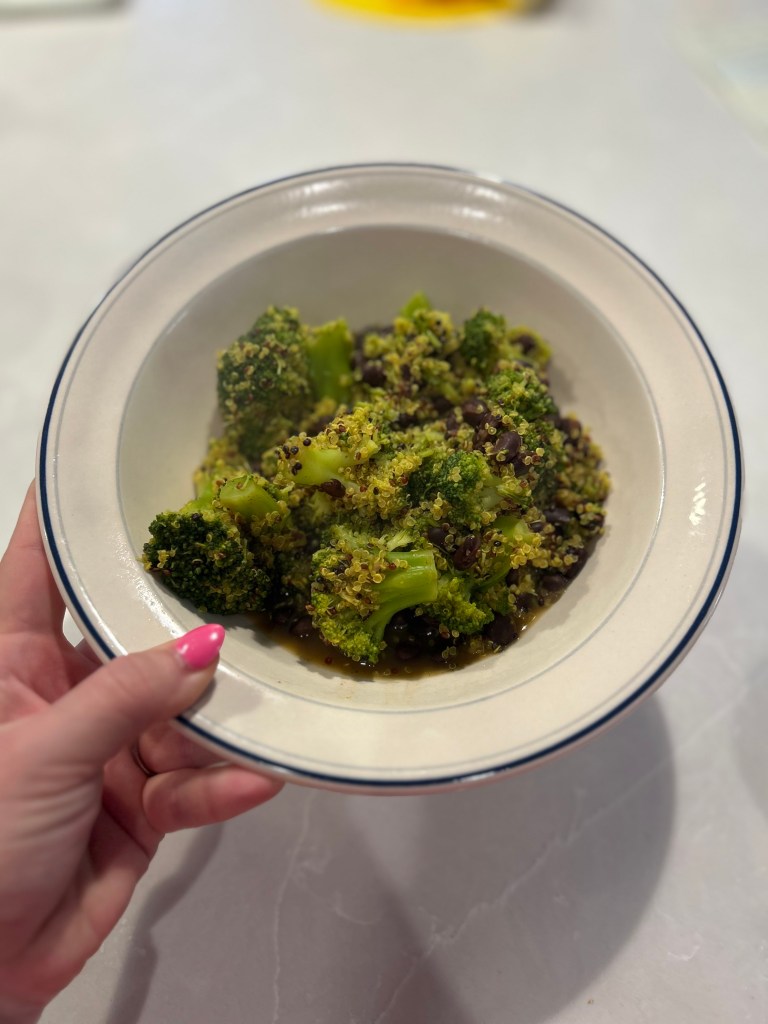
This recipe is a family favorite in my house. We call it the black bean special. I think it’s special because it is a one pan dish (meaning easy to make!) and is super healthy and flavorful. This recipe was adapted from one of my favorite cookbooks, “How Not to Diet: The Groundbreaking Science of Healthy, Permanent Weight Loss” by cardiologist and lifestyle medicine expert Michael Greger, MD. I highly recommend this book as well as its precursor, “How Not to Die.”

Boil 1 cup of dry quinoa in equal parts of chicken broth and water for 5 minutes. In the boiling water, add 2 tbsp of nutritional yeast, 2 tsp ground turmeric, 2 tsp ground ginger, 2 tsp ground cumin, 1 tsp cayenne pepper, Then, mix in 1 bag of frozen broccoli florets and cover for an additional 8 minutes. With two minutes remaining, add 1 can of drained/rinsed black beans. An alternative to the quinoa would be farro (higher in fiber than quinoa) or brown rice. Share your recipes and book recommendations below!

Obesity and Diet

Welcome back, friends. Let’s talk about nutrition and obesity.

Most people recognize that being overweight or obese is a risk factor for diabetes, heart disease, cancer, and many other conditions. However, many don’t truly understand the burden of body weight on overall health. For instance, obesity is now the leading cause of liver cirrhosis in the United States. You heard that right – it’s not alcohol use anymore. Obesity also affects your immune system, sexual health, and brain health. It is even associated with dementia. A 2017 systematic review incorporating over 589,000 people found a 33% increased risk of dementia in people with obesity compared to the non-obese.

Unfortunately, obesity is very common and afflicts over 40% of all Americans. The great news is that it is never too late to start losing weight. Even if you already have diabetes, coronary artery disease, history of stroke, or non-alcoholic cirrhosis, you can still improve your quality of life through weight loss. Numerous studies have shown that weight loss in people with obesity can reduce joint pain, improve energy and mobility, enhance fertility, and increase self-esteem and mood.

A diet high in fruit and vegetables, legumes, whole grains, and nuts have repeatedly been shown to improve body weight compared to many fad diets like Atkins and carnivore diets (although these do have their place for some people). While many diets are useful for lowing weight, the goal should be to select one that is sustainable in your life and that does not increase your risk for other diseases. Weight loss through a whole food, plant based diet even occurs independently of exercise routines. A large component of the success many people have with weight loss while on a whole food, plant based diet is a result of the caloric density of plants compared to animal products. Another component leading to improved weight loss include the high protein and fiber nature of legumes and other plants which result in improved satiety.

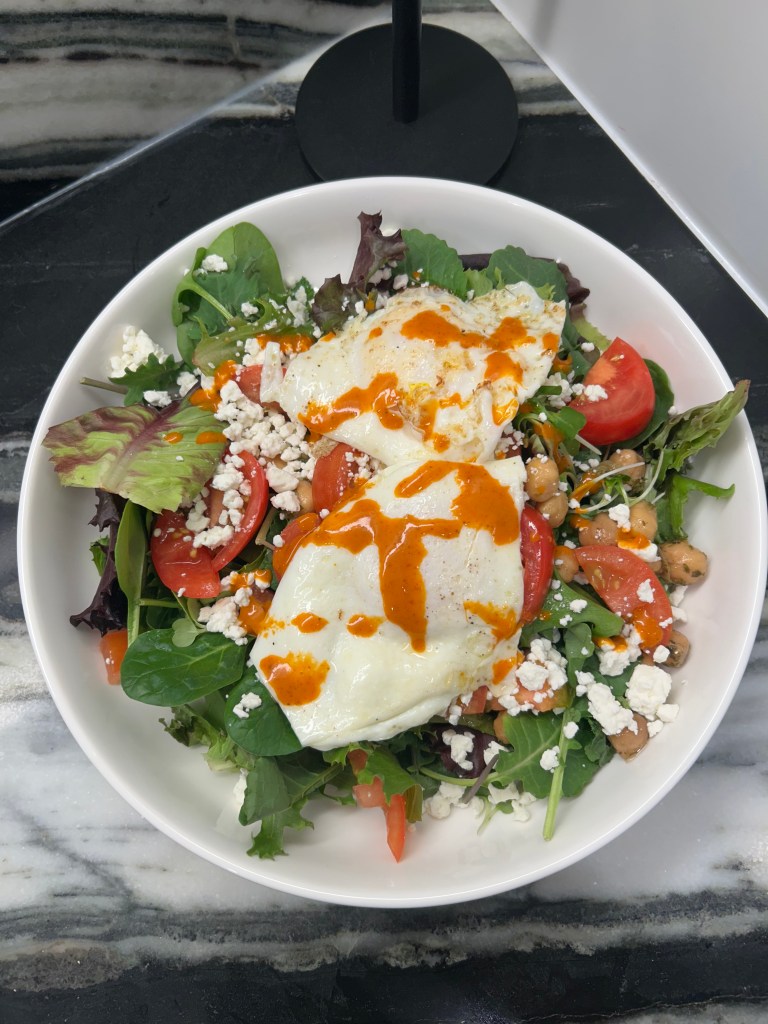
One recipe I recently discovered is loaded salad. You’ll find the recipe below:

Mix 2 large handfuls of spring mix lettuce with half a cup of feta cheese. I added a half cup of cooked chickpeas for added protein but you can substitute this for grilled chicken if you prefer. Next, blister a large handful of halved cherry tomatoes in a pan with olive oil. While the tomatoes are cooking, begin preparing three over easy eggs. Add both of the items to the salad with a drizzle of black truffle hot sauce (or any other smoky hot sauce). Top with a small handful of mixed nuts to get your serving of unsaturated fatty acids for the day. Mix thoroughly so that the salad begins to slightly wilt from the heat of the cherry tomatoes and egg yolk. Enjoy!

You’ll win extra perks if you use farm fresh eggs. There is some evidence that farm fresh eggs have reduced cholesterol and more amino acids compared to commercially produced eggs. This may be due to the length of time it takes for commercial eggs to get to store shelves and then your counter compared to farm fresh eggs. Here’s a picture of Lucy, Lizzo, and Butter (our backyard hens) that supported this recipe!