
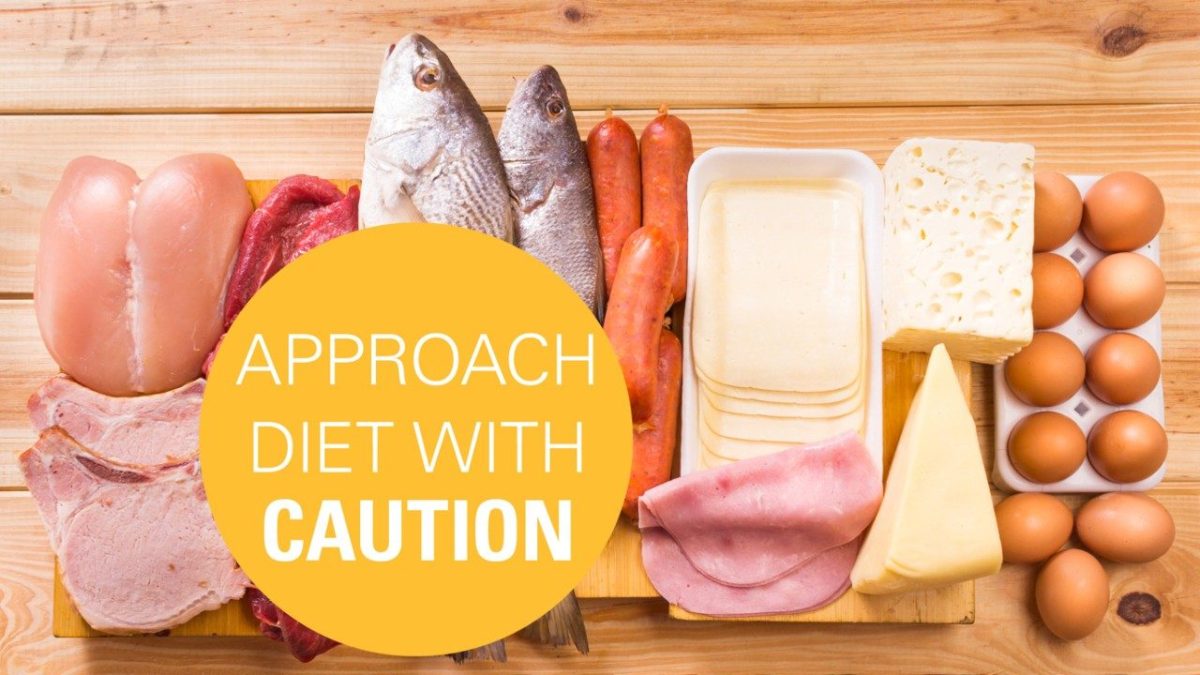
Many of my patients ask me which diet is best to help them lose weight, live longer, improve physical prowess, reduce blood sugar, among many other reasons people choose to diet. They’re often shocked when I tell them I don’t like the word ‘diet.’ The term insinuates that you will be operating a very strict food regimen for a short period of time to achieve a desired effect. Think about your friend or coworker that said they were going on the ‘X’ diet for ‘Y’ reasons. You can fill in the blank because we all know someone (assuming you haven’t done it yourself) who has said this phrase. What was the end result for this person? I’m willing to bet they’re no closer to their ‘diet’ goals today than they were when they began their journey. This is not to say that I haven’t had patients who are successful at achieving their health goals through a specific diet plan – in fact, I’ve had many! But, this is not the majority. Most can’t sustain their diet for more than 6 months and, unfortunately, many regain their initial body weight by 4 years.
A healthy lifestyle, whether you need to lose weight or biohack, should be specific, measurable, achievable, time-bound, and SUSTAINABLE. I’ll repeat the last word – SUSTAINABLE. Strict diets can be counterproductive to achieving your ultimate health goals. While this may be a carnivore based regimen (I don’t recommend this for cardiovascular reasons in most people), it could also be a Mediterranean or plant based regimen for others. The key is that everyone is different. Intrapersonal, interpersonal, community, social, and religious beliefs often dictate how a “normal” diet looks. This is where your physician or nutritionist can help guide you.

So, where do you start? I prefer to educate my patients based on what is known to be healthy standards.
Protein: Most information available online recommends adults eat 0.8g protein per kilogram of ideal body weight. However, this is the minimum amount required to prevent a protein deficiency, which can lead to bone fractures, poor muscle mass, and increase risk for falls. Most adults without kidney disease should be closer to 1.5-2g protein per kilogram of ideal body weight in combination with physical activity to maximize health. For reference, a 5oz chicken breast is around 40g protein. One cup of greek yogurt is 17g protein. One cup of cooked black beans is 15g protein. Protein shakes can easily get you to your goal protein and are easy to drink on the go for the busy workers. I like to drink my protein shakes between patient encounters.
Fiber: The goal should be 30 grams of fiber per day. Insoluble fiber is in many foods including whole grains, legumes, fruit, and vegetables. A diet high in fiber is linked to a reduced risk of cardiovascular disease and multiple cancers including colorectal, breast, pancreatic, and gastric. While I do recommend eating whole grains daily, I prefer to get my fiber from fruit and vegetables because most people are grossly deficient on the consumption of these. Raspberries and blueberries are the most fiber dense with 8g per cup. Apples have around 4g in a medium sized apple. Kale has roughly 5g per cup and broccoli has 3g per cup.
Water: The proper amount of water consumption differs by person and activity level. However, a good starting place is 1oz water per kilogram of body weight. This would be the minimum recommended volume for most people. Again, discuss with your physician first as this may differ depending on the presence of comorbid conditions like kidney failure, cirrhosis, congestive heart failure, or use of certain medications. Those who work in hot environments or are highly physically active should be closer to 2oz water per kilogram of ideal body weight. A rough evaluation of your hydration level can be determined simply by standing up from a seated position. If you get dizzy with standing, you may be dehydrated.
You’ll notice I left out carbohydrates. This was intentional. While the body cannot survive without glucose, a carbohydrate required in the production of ATP (the main energy carrying molecule in the body), it is a common misconception that we should limit the amount of fruit in our diet due to the high carbohydrate content. Don’t fall into this trap. While you should discuss this with your physician, the benefits obtained from eating fruit (and their respective complex carbohydrates) are far greater than the potential risks. Further, think about all the other high glycemic index foods you eat in a day and figure out which ones you could replace with a high quality piece of fruit that will help lower your risk of an innumerable number of diseases. I do not condone a diet high in simple carbohydrates. Examples of simple carbohydrates are white breads, chips, candy, syrups, white pasta, white rice, etc. These foods are considered high glycemic index foods and will quickly wreck your dietary and lifestyle goals.
If you can achieve the above quantities of protein and fiber (from varied sources including fruit, vegetables, and some whole grains) and limit the amount of simple carbohydrates in your diet, there’s a good chance you will be eating a well balanced diet. The good news is you don’t have to be perfect with your diet. In fact, I would argue that you should NOT be perfect with your diet. Enjoying some cheat meals is not a bad thing. The important component is that you eat a cheat meal (or any meal for that matter) in moderation. Aim for 1 cheat meal per week or less and stay committed to your goals. Share these goals with your family and friends for extra credit!
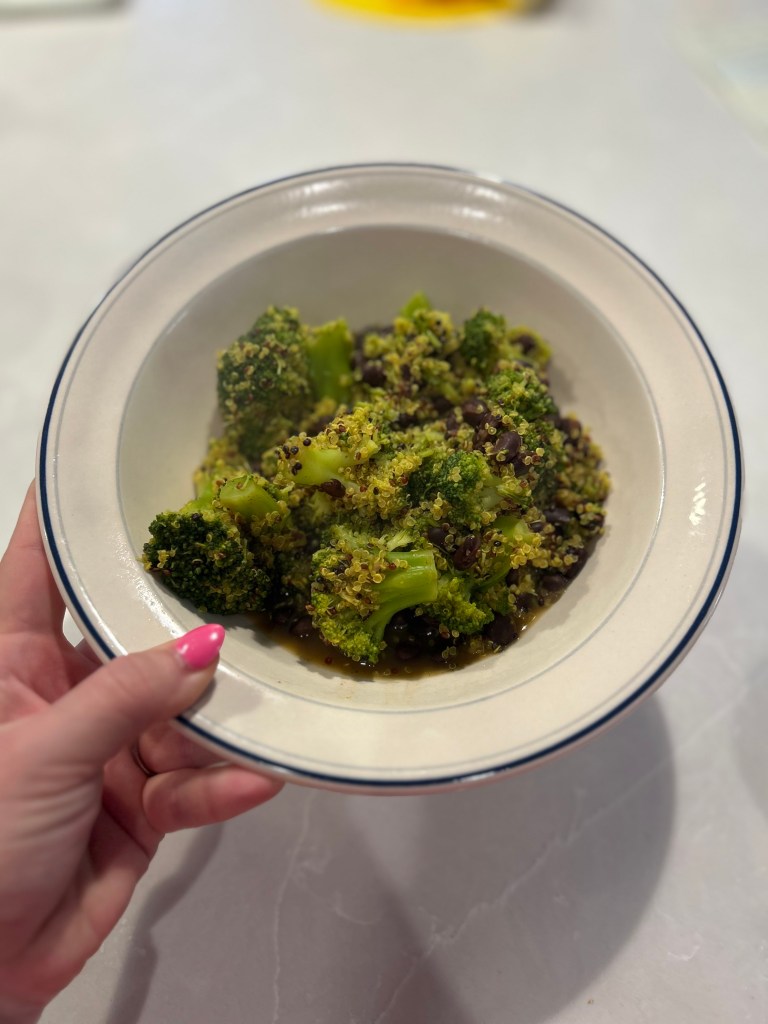
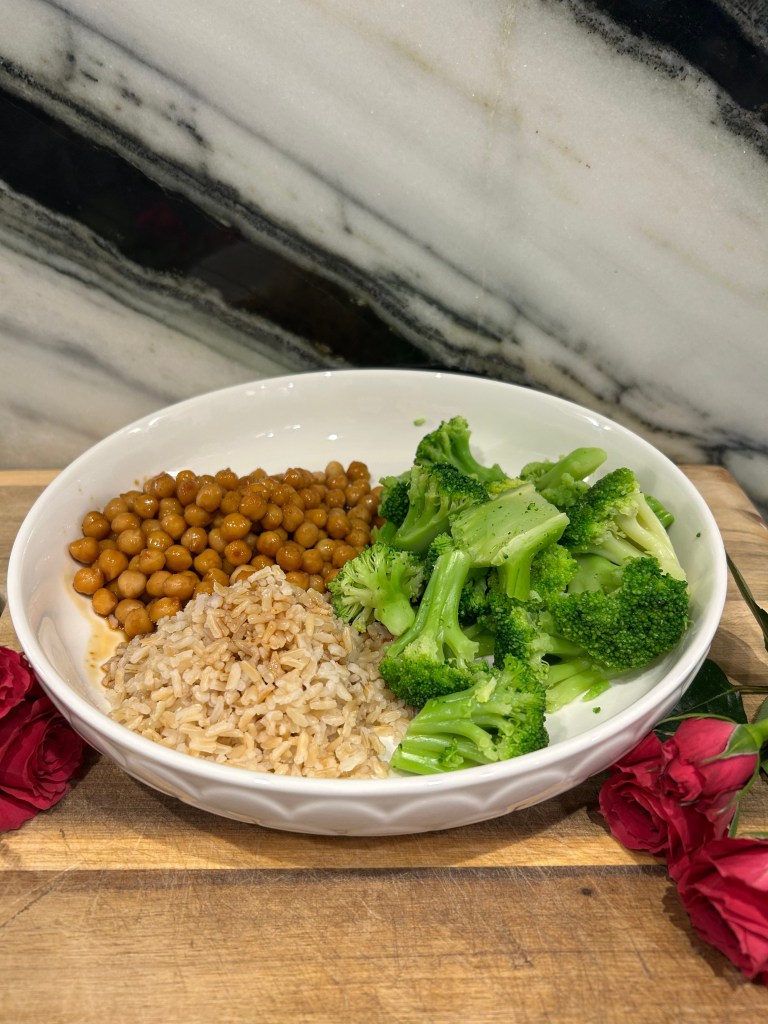
This recipe is a family favorite in my house. We call it the black bean special. I think it’s special because it is a one pan dish (meaning easy to make!) and is super healthy and flavorful. This recipe was adapted from one of my favorite cookbooks, “How Not to Diet: The Groundbreaking Science of Healthy, Permanent Weight Loss” by cardiologist and lifestyle medicine expert Michael Greger, MD. I highly recommend this book as well as its precursor, “How Not to Die.”
Boil 1 cup of dry quinoa in equal parts of chicken broth and water for 5 minutes. In the boiling water, add 2 tbsp of nutritional yeast, 2 tsp ground turmeric, 2 tsp ground ginger, 2 tsp ground cumin, 1 tsp cayenne pepper, Then, mix in 1 bag of frozen broccoli florets and cover for an additional 8 minutes. With two minutes remaining, add 1 can of drained/rinsed black beans. An alternative to the quinoa would be farro (higher in fiber than quinoa) or brown rice. Share your recipes and book recommendations below!
 The Healthy Life