Obesity and Diet

Welcome back, friends. Let’s talk about nutrition and obesity.

Most people recognize that being overweight or obese is a risk factor for diabetes, heart disease, cancer, and many other conditions. However, many don’t truly understand the burden of body weight on overall health. For instance, obesity is now the leading cause of liver cirrhosis in the United States. You heard that right – it’s not alcohol use anymore. Obesity also affects your immune system, sexual health, and brain health. It is even associated with dementia. A 2017 systematic review incorporating over 589,000 people found a 33% increased risk of dementia in people with obesity compared to the non-obese.

Unfortunately, obesity is very common and afflicts over 40% of all Americans. The great news is that it is never too late to start losing weight. Even if you already have diabetes, coronary artery disease, history of stroke, or non-alcoholic cirrhosis, you can still improve your quality of life through weight loss. Numerous studies have shown that weight loss in people with obesity can reduce joint pain, improve energy and mobility, enhance fertility, and increase self-esteem and mood.

A diet high in fruit and vegetables, legumes, whole grains, and nuts have repeatedly been shown to improve body weight compared to many fad diets like Atkins and carnivore diets (although these do have their place for some people). While many diets are useful for lowing weight, the goal should be to select one that is sustainable in your life and that does not increase your risk for other diseases. Weight loss through a whole food, plant based diet even occurs independently of exercise routines. A large component of the success many people have with weight loss while on a whole food, plant based diet is a result of the caloric density of plants compared to animal products. Another component leading to improved weight loss include the high protein and fiber nature of legumes and other plants which result in improved satiety.

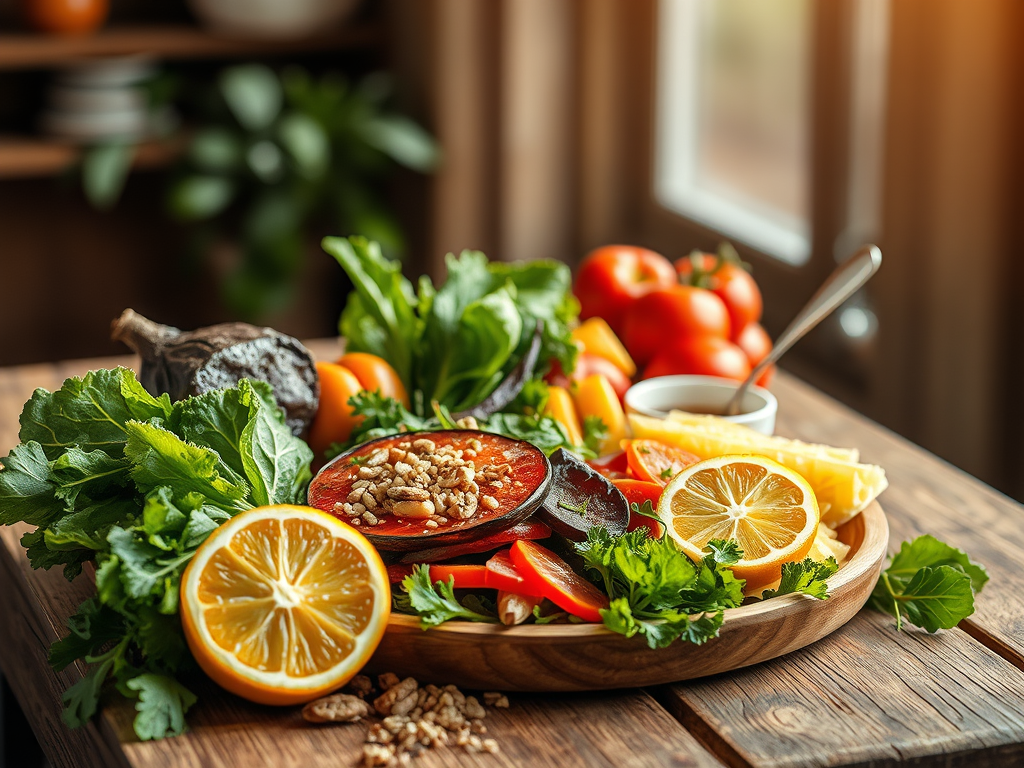
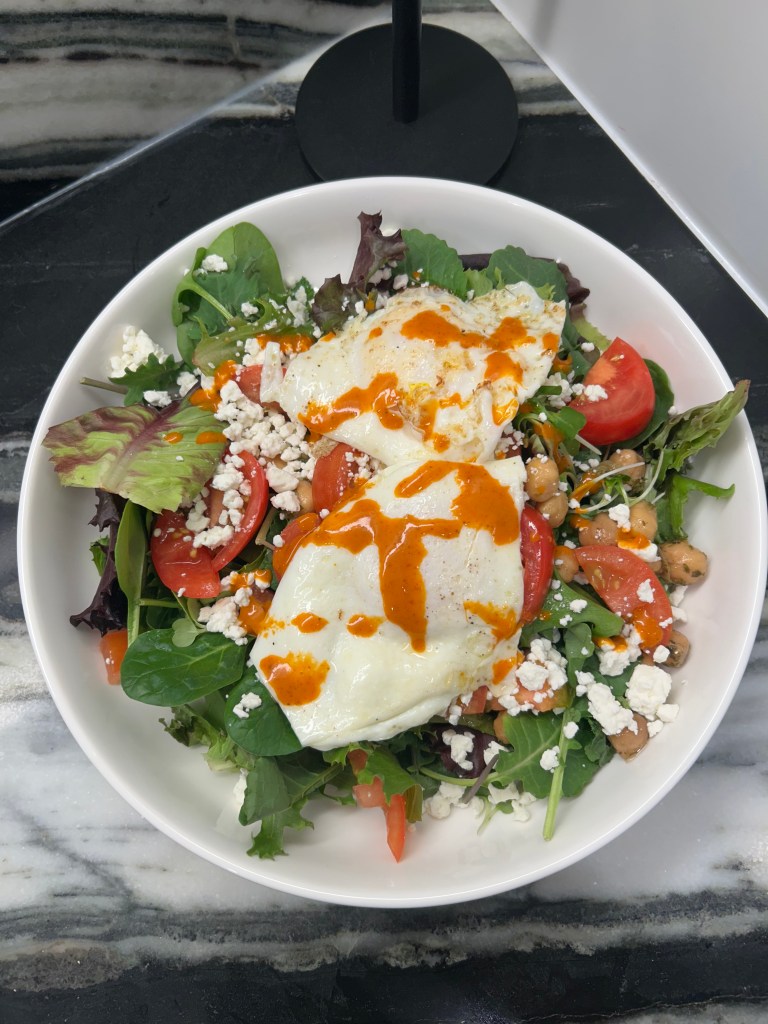
One recipe I recently discovered is loaded salad. You’ll find the recipe below:

Mix 2 large handfuls of spring mix lettuce with half a cup of feta cheese. I added a half cup of cooked chickpeas for added protein but you can substitute this for grilled chicken if you prefer. Next, blister a large handful of halved cherry tomatoes in a pan with olive oil. While the tomatoes are cooking, begin preparing three over easy eggs. Add both of the items to the salad with a drizzle of black truffle hot sauce (or any other smoky hot sauce). Top with a small handful of mixed nuts to get your serving of unsaturated fatty acids for the day. Mix thoroughly so that the salad begins to slightly wilt from the heat of the cherry tomatoes and egg yolk. Enjoy!

You’ll win extra perks if you use farm fresh eggs. There is some evidence that farm fresh eggs have reduced cholesterol and more amino acids compared to commercially produced eggs. This may be due to the length of time it takes for commercial eggs to get to store shelves and then your counter compared to farm fresh eggs. Here’s a picture of Lucy, Lizzo, and Butter (our backyard hens) that supported this recipe!

Exercise as medicine

The first marathon occurred in 490BC when an Athenian ran 26 miles from the battle of Marathon to Athens announcing the phrase “Victory” following successful defeat of the Persian army. The marathon was revitalized nearly 2500 years later in the 1896 Olympic games held in Greece. The winner had a time of 2:28:50. A picture of this race is depicted below. Since that time, hundreds of thousands of runners have completed the grueling 26.2 mile marathon across the world.

While running a marathon is an impressive feat and show of physical prowess, you don’t need to achieve this standard to improve your health. The Centers for Disease Control and Prevention (CDC) recommends U.S. adults obtain 150 minutes of moderate physical activity per week. Moderate activity includes brisk walking, playing tennis, water aerobics, dancing, or pushing a lawn mower. You don’t need to run a marathon to improve your health.

In fact, exercise is associated with reduced fatigue, stress, low back pain, and risk of falls. it is also associated with improved cholesterol, cardiovascular health, sleep, mental health, insulin sensitivity, biological health, pain perception in those with osteoarthritis, and sleep. Exercising 150 minutes per week has been linked to a 25% and 30% reduction in breast cancer and colon cancer, respectively.

These effects are amplified with more exercise. Impressively, achieving 150 minutes of brisk walking per week results in ~2.5 years of life gained. This increases to ~4.5 years of life gained with 500 minutes of brisk walking per week. These effects mediate inflammation in the body (IL-6, C reactive protein, TNF-alpha), gut microbiome through increased availability of short chain fatty acids, insulin sensitivity via the GLUT4 pathway, and cardiovascular health through increased nitric oxide and vascular endothelial growth factor production. As a result of these health benefits, the American College of Lifestyle Medicine now argues that physical activity should be a vital sign measured at your doctor visits. Kaiser Permanente healthcare system did this with over 1.7 million patients!

Although the goal should be to exercise at least 150 minutes per week, or 30 minutes 5 days per week, you should not be discouraged if you cannot achieve this due to your schedule or current physical health. For instance, if I did not have 30 minutes to exercise consecutively in a day, I would not exercise at all due to my own mental barrier. I’ve changed this negative perspective towards those busy work days and now will get at least 10 minutes of power walking before work, at lunch, and when I get home from work if this is all I can do. The key is to get your heart rate up. Many of my patients will take is to bring your lunch to work and walk while you eat. This is achievable if you set your mind to it.

Another barrier many people have is fear of physical activity due to current low levels of fitness. If this is you, the answer is to have SMART goals. S: specific. M: measurable. A: achievable. R: relevant. T: time-bound. For example, if you are currently walk less than 1000 steps per day due to pain, then you need to make a SMART goal specific to your current state. I would recommend taking small steps first. In this scenario, your SMART goal may be the following: ‘I will walk 1500 steps per day and perform chair yoga (look it up, it’s free on Youtube!) for 10 minutes each morning for 2 weeks.’ Once this goal has been accomplished, you expand upon the previous SMART goal and create more challenging SMART goals. More advanced athletes should also have SMART goals to accomplish at least the minimum standards of 150 minutes per week.

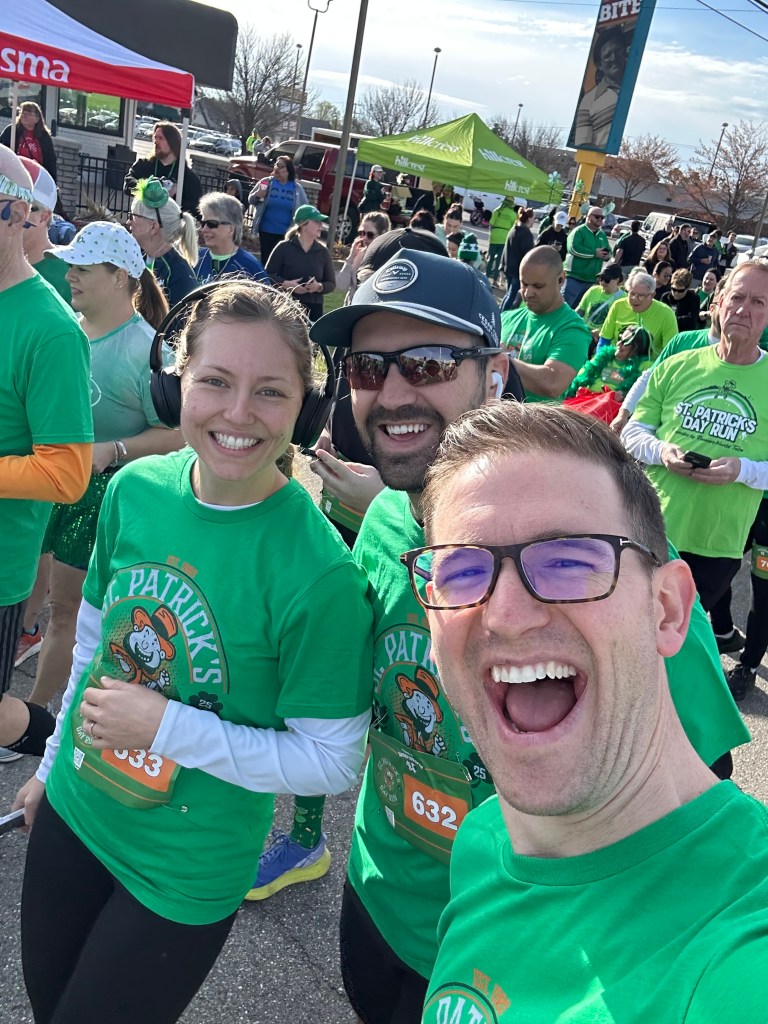
Finally, you need peer support (or peer pressure if you are a glass half empty kind of person). This should come in the form of family and friends as well as your personal physician. Tell your friend that you are on an exercise journey to reduce your risk of breast or colon cancer. Bring them on your next lunchtime power walk. Ask them to be your accountability partner. This should also come in the form of your physician. Physicians who are physically active are more likely to encourage and counsel patients on healthy lifestyles compared to inactive physicians. They also have real-world physical activity experience and tips that can help you along your lifestyle journey. Finally, having a physically active physician can provide first hand experience and counsel to help you improve. You should always ask your physician before starting any physical training program. Find your accountability partner, create a team, and share tips on how you improved physical activity in your life below. Here’s a picture of my team from a recent race.

Let’s talk about your heart!

Welcome back to the My Healthy Living blog, friends. One of the most common conditions I see is cardiovascular disease in my Internal Medicine clinic. Unfortunately, it also happens to be the leading cause of death in the United States and has almost certainly affected you or a family member directly. For the naysayers who believe it won’t happen to you; over 48% of Americans greater than 20 years have cardiovascular disease, defined by the presence of hypertension, coronary artery disease, stroke, or congestive heart failure. This is likely an under-representation too because there is currently no clinical practice guideline that recommends a screening for coronary artery disease in an asymptomatic patient. Go to the doctor and ask about heart health!

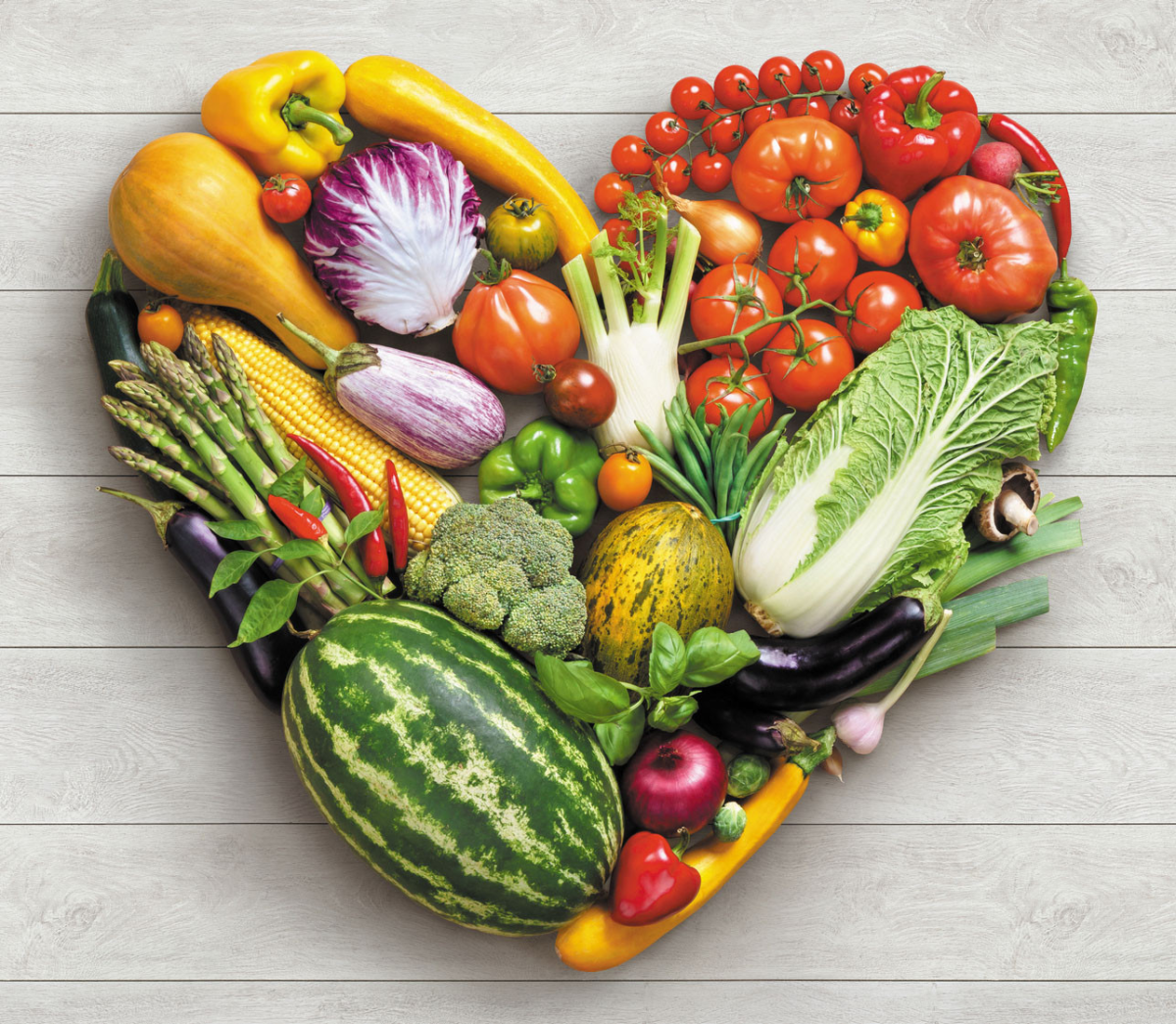
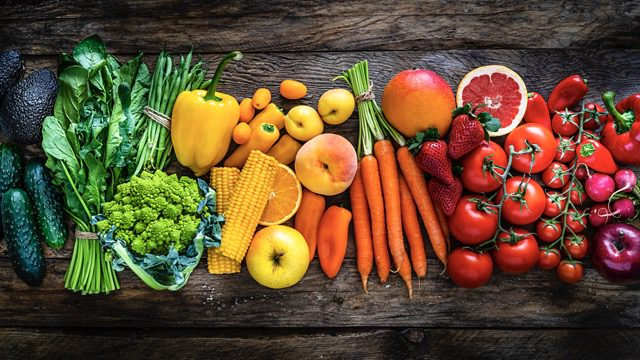
Only 28% of Americans eat the CDC recommended 5 servings of fruit and vegetables per day (1 serving = banana or bell pepper for size reference). This means that there is lots of room for improvement! Interestingly, the risk of heart disease decreases by nearly 25% in people who eat these fruit and vegetable serving recommendations. This risk reduction is independent of other lifestyle changes like physical activity, smoking cessation, and weight control.

However, don’t assume that all plant based diets are going to prevent you from having that widow maker heart attack. Eating an unhealthy plant based diet -primarily refined carbohydrates (white bread/pasta) – is linked to a 32% increase in cardiovascular disease compared to a health plant based diet. The goal should be to eat 5 servings of fruit, 5 servings of vegetables, 1-2 ounces of nuts, and 2-3 servings of legumes (1 serving = 1/2 cup cooked) per day. Plants contain phytochemicals which help with antio-xidation (think cancer prevention and anti-aging effects) as well as anti-inflammation. These phytochemicals are not found in animal products.

One way I have personally helped hundreds of patients improve their diet is through making slow, intentional changes in their lives. Evaluate how many servings of fruit you eat per day. If you only eat 1 apple per day, you won’t keep the doctor away; I know… I know… I’m a dad. If this is the case, I would encourage you to start with 1 apple and 1 banana starting next week. One way I have personally achieved this is by eating a piece of fruit on my way to work and bringing 3-4 more pieces of fruit (think easy to eat fruit like apples, bananas, oranges) with me to work. When I see the extra fruit on my desk, I’m encouraged to eat them throughout my busy day. This is easy and achievable for anybody. For the skeptics that say it’s too expensive to eat this much fruit, I ask that you compare the cost of a large bag of apples or oranges that will last you at least 3-5 days on this plant-based diet to your daily Starbucks or breakfast burrito you picked up on the way to work.

Let’s make this lifestyle change together and prevent cardiovascular disease! Leave your plant based recipes below and let me know your preferred way to prepare chickpeas.

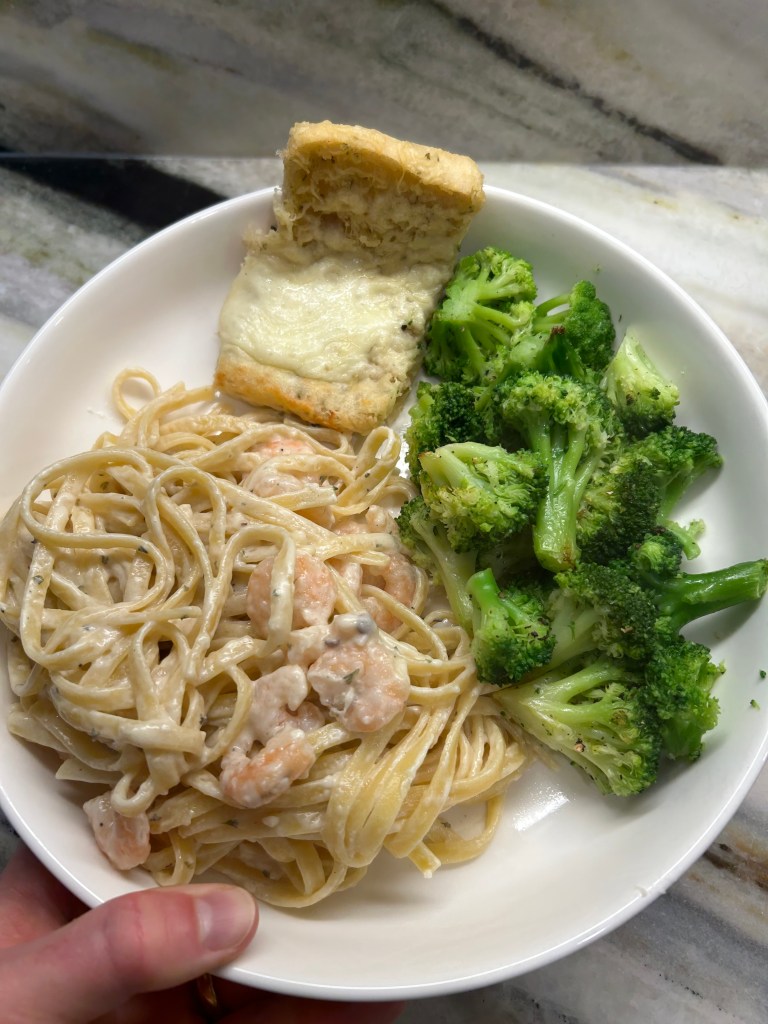
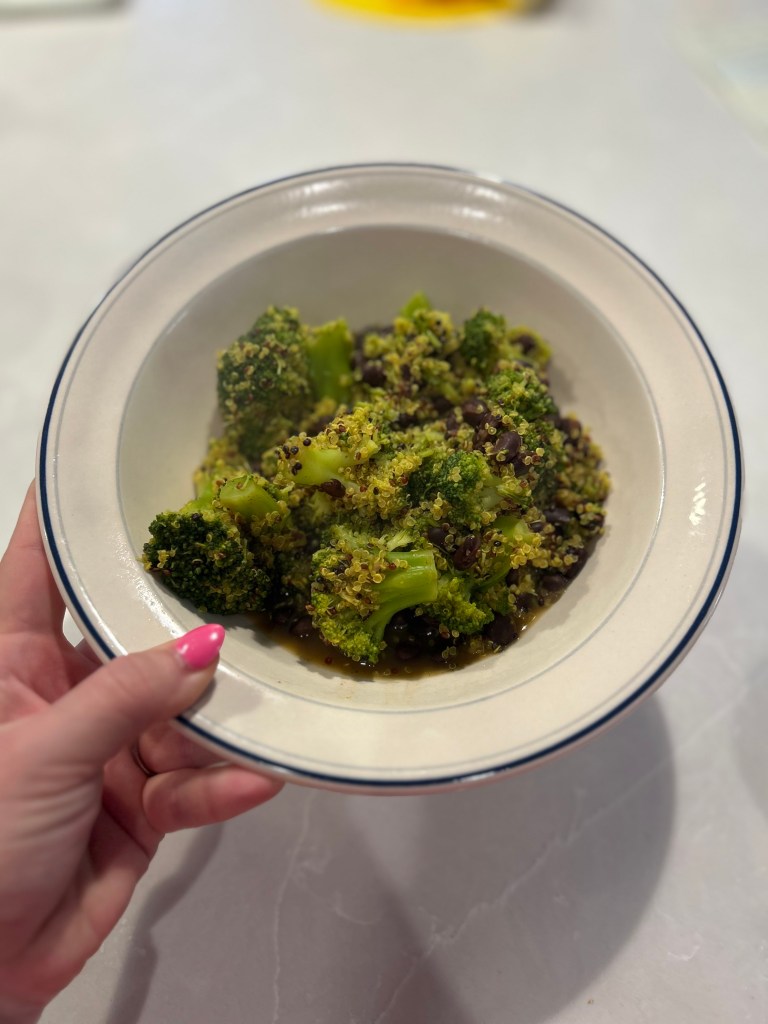
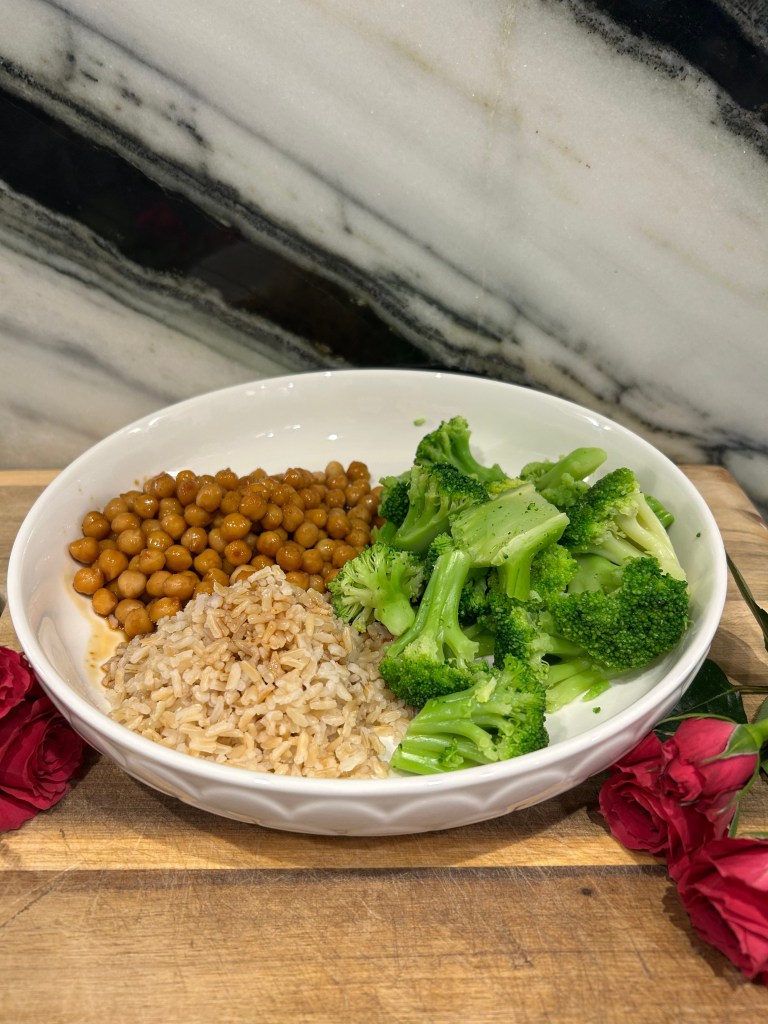
Here’s my dinner from last night. It included a significant amount of protein, insoluble fiber, complex carbohydrates, whole grains, and vegetables. I ate my 5 servings of fruit while at work.

Ingredients:

  1. One can chickpeas
  2. Yellow onion, diced
  3. Bag of frozen broccoli
  4. Bag of brown rice
  5. Teriyaki sauce

Recipe: saute the onions with some garlic until fragrant. Add the drained chickpeas and continue browning for 3-5 more minutes. While the chickpeas are warming, steam the broccoli and prepare the rice. I prefer the boil-in-a-bag rice for simplicity. Finally, combine all of the cooked ingredients into a large pan and add the desired amount of Teriyaki sauce. Enjoy!