Processed Red Meat Increases the Risk of Dementia

It’s not news that processed red meats such as bacon, sausage, hot dogs, jerky and cold cuts have a bad health rap. Studies have tied them to the risk of obesity, heart disease, stomach cancer and colorectal cancer. Some researchers suspect that processed red meat can affect cognitive health, even though study results have been inconsistent.

A recent study is pointing to another problem with processed red meat consumption: Eating hot dogs and sliced lunch meat may increase your risk for dementia, according to research presented at the 2024 Alzheimer’s Association International Conference in Philadelphia and online. 
 

Processed Red Meat and Dementia

Researchers working for the Channing Division of Network Medicine at Brigham and Women’s Hospital (Boston, MA) looked for a possible connection between processed red meat and decreased cognition by following more than 130,000 participants in the Nurses’ Health Study and Health Professionals Follow-Up Study for 43 years.

Every two to four years, researchers surveyed participants’ diets to track food frequency, such as how many servings of processed red meat they consumed. A serving of processed red meat is considered two slices of bacon, a hot dog, two links of sausage or kielbasa and one salami or bologna sandwich. During the study, 11,173 participants were diagnosed with dementia. After assessing the data, researchers found: 

  • Eating one-fourth of a serving or more of processed red meat each day raised the risk of developing dementia by 14 percent compared to participants who ate less than a tenth of a daily serving.
  • Swapping one serving of processed red meat with one serving of nuts and legumes each day lowered the risk of developing dementia by 20 percent.  

When researchers went deeper with 17,500 of the participants, they found an additional serving of processed red meat was linked to a hastening of cognitive aging by:

  • 1.61 years, primarily in the areas of overall cognitive function, language skills, executive function and cognitive processing.
  • 1.69 years primarily in the areas of verbal memory, i.e., recalling and understanding words and sentences.

Why are processed red meats unhealthy?

Processed red meats are convenient, affordable and a dietary staple for many Americans. In fact, food manufacturers estimate that Americans consume 800 million pounds of bologna, more than two billion pounds of bacon, 20 billion hot dogs and more than 250 million pounds of pepperoni every year. However, these meats have ties to health issues such as dementia, heart disease, type 2 diabetes and cancer because of the way they’re preserved.

  • Preserving meat prolongs shelf life, adds flavor and improves taste and color. There are two methods:   
    Smoking. Manufacturers cook the meat at a very high temperature. This triggers the formation of unhealthy chemicals, such as heterocyclic aminespolycyclic aminesacrylamide and acrolein. It also causes the pigment in hemoglobin – the protein inside red blood cells that carries oxygen around the body — to break down, forming N-nitroso, a compound that can damage DNA in cells. Furthermore, nitrates and nitrites are often added to help prolong shelf life, but nitrosamines can form when the meat is exposed to high heat.
  • Curing. Food companies add nitrite and sodium nitrite (salt) to meat to improve taste, create a pinkish color, reduce moisture from meat and slow bacterial growth.      

Researchers think the harmful nitrites/nitrates can harm the brain. Cured meats typically have a high salt content, which can elevate blood pressure and damage blood vessels that deliver oxygen and nutrients to the brain. Studies have linked high blood pressure with strokes and brain shrinkage. It’s also possible that high blood pressure plays a role in the development of brain plaques and tangles involved in Alzheimer’s disease.

Besides brain health, eating too much processed meat can affect your heart health. These meats are high in saturated fat, which can increase your bad cholesterol levels, raising your risk for a heart attack or stroke. Unhealthy blood fat levels also raise the risk for insulin resistance, a precursor to type 2 diabetes, which is another risk factor for heart disease.

Processed red meats also have a link to cancer. The chemicals in smoked meat can damage DNA, the root cause of cancer. A high heme intake has been linked to an increased risk of colorectal, pancreatic and lung cancer. Nitrosamines and excessive dietary salt both contribute to stomach cancer.

The study results did not find an association between meats that weren’t processed and dementia. Unprocessed meats, particularly lean meats, along with other components of the Mediterranean diet, such as nuts, seeds, legumes, fruits, vegetables, healthy fats, whole grains and less processed dairy have brain health benefits.


Tips for Controlling Sodium, Sodium Nitrites and Nitrates and Sodium in Your Diet


If you can’t do without your bacon and eggs at breakfast, you might be able to find a nitrate-free bacon that’s organic or from a local source like a farmer’s market. Make sure you cook the bacon at a lower heat and for a longer time without burning it. You can also replace bacon with grilled mushrooms or eggplant because of their savory flavor. Some stores even carry mushroom bacon and/or eggplant bacon. Of course, if you’re looking for a protein substitute, consider cheese.

For lunch, swap your deli meat sandwiches with canned tuna or salmon. Skinless barbecue chicken also might work. If you snack on processed meats like jerky, try cheese with healthy crackers, vegetables with a healthy yogurt dip or humus with pita bread.

Read food labels. Prepackaged food items should not have more than 500 mg of sodium per serving. Avoid foods that list sodium nitrate E251, sodium nitrite E250 or potassium nitrite E249. Be careful if you see the terms “uncured” or “no nitrites added” on labels. These meats aren’t necessarily healthier. They may have used another method of preserving, such as celery powder and still be high in nitrites and nitrates.

Your best bet is unprocessed meats like fresh chicken, turkey, beef, pork, and fish.

Are Sugar-Free Beverages Helping You Lose Weight? Study Says No

We often associate sugary drinks like sodas with the obesity crisis, which has been plaguing the U.S. since late 1970s.

Of course, many variables are involved, but studies suggest that sugar-sweetened beverages are a prime culprit. Regular consumption of sugar-sweetened beverages like sodas, flavored waters, smoothies, sports drinksspecialty coffees, sweet tea and fruit juices have been linked to weight gain and obesity and raise the risk for serious health conditions such as type 2 diabetes, kidney diseases, gout, non-alcoholic fatty liver diseaseheart diseasebrain aging and tooth decay and cavities, according to the U.S. Centers for Disease Control and Prevention (CDC).    

Sugary drinks have been contributing to health issues for decades. Big Soda has tried capitalizing on these health issues by offering alternative products. For example, Royal Crown Cola’s Diet Rite was introduced in 1958, appealing to Americans who were trying to lower their calories and/or sugar intake. Since then, a wide array of soft drinks and foods are made with artificial sweeteners – an industry that grew into a nearly $5 billion business with about 40 percent of Americans as consumers.

Artificial Sweeteners

The problem is, artificial sweeteners can’t help you manage your weight – at least not long term, according to a study conducted by University of Southern California and published in Nature Metabolism.

There are eight artificial sweeteners approved by the U.S. Food and Drug Administration (FDA), according to the Mayo Clinic; they include:

  • Acesulfame potassium – used in Sweet One and Sunett.
  • Advantame.
  • Aspartame – used in NutraSweet and Equal.
  • Neotame – used in Newtame.
  • Saccharin – used in Sweet’N Low.
  • Sucralose- used in Splenda.
  • Luo han guo – used in Monk Fruit in the Raw.
  • Purified stevia leaf extracts – used in Truvia, PureVia, others.

In this new study, researchers only looked at sucralose, a common, all-purpose artificial sweetener used in baked goods, beverages, chewing gum, gelatins, frozen dairy desserts, Diet Coke with Splenda, Diet Pepsi with Splenda, Gatorade’s Propel Water, low-calorie Kool-Aid and Atkins Diet products. Sucralose is considered generally recognized as safe when consumed in moderation. But study results are mixed regarding its long-term effects.

Researchers recruited 75 subjects evenly split between male and female and weight status, i.e., healthy weight, overweight or obese. Participants had three visits. Each visit they had: 

  • Baseline brain scan, blood samples and survey to determine hunger levels
  • 300 ml of plain water, a drink sweetened with 75 grams of sugar and a drink sweetened with sucralose. The sugar- and sucralose-sweetened drinks were the equivalent of 16-ounce can of sugary soda.
  • Follow-up brain scan, blood samples and survey to determine hunger levels several times for the following two hours

Subjects also underwent fMRI scans (or functional MRI). This type of MRI scan shows the most active areas of the brain. This helped researchers understand how regions of the brain communicate with one another.

Although the study was small, researchers were able to document the differences within and between subjects.

When participants drank the sugary drink, their hunger was dampened, and their peripheral glucose levels rose. But when they drank the non-caloric sucralose sweetened drink, activity in their hypothalamus grew by 20 percent compared to the sugary drink. The hypothalamus is the area of the brain that produces hormones that control hunger. Increased blood flow and activity correlates to increased appetite, researchers said. The sucralose sweetened drinks also caused a stronger hypothalamic reaction than plain water.

These effects were more pronounced in obese subjects. Earlier studies saw similar effects in animals.

Should You Give Up Your Diet Drinks?

It depends. How much are you consuming? Studies have found moderate amounts artificial sweeteners safe for healthy adults. They also can help manage weight when used in moderation or on a short-term basis because they help control your caloric and sugar intake.

But realize that researchers have questioned the benefits of artificial sweeteners for years. In fact, the World Health Organization issued an advisory in May 2023 warning consumers that beverages and foods with sugar substitutes is associated with weight gain because they trigger hunger.

Previous studies also link sucralose with insulin resistance and liver inflammation. Moreover, sucralose has been found to cause gut microbiome imbalances by cutting the number of good bacteria by half.

Artificial sweeteners also are much sweeter than sugar – sucralose is 600 times sweeter than sugar – which means they can affect how food and beverages taste. This is why you’re usually better off getting natural sugar from whole foods like fruits whenever possible. My favorite non-sweetened beverage is the lime La Croix sparkling water. Comment your favorite beverage below!

Chakravartti, S.P., Jann, K., Veit, R. et al. Non-caloric sweetener effects on brain appetite regulation in individuals across varying body weights. Nat Metab 7, 574–585 (2025). https://doi.org/10.1038/s42255-025-01227-8

Boosting the Immune System

The human immune system is a wonderful thing. It responds quickly when we’re injured (the swelling around a sprained joint or a small cut), it attacks microscopic invaders like viruses and bacteria, and it even stores information that helps it fight future infections. It’s a beautiful protector that we’re partially born with and partially develop throughout our life. 

Unfortunately, our lifestyle often undermines that system. For instance, stress weakens our immune system. So does a lack of sleep. Being sedentary can lead to immune system dysfunction. And depression, anxiety — even grief — take their toll. 

As does our Western diet, which is filled with processed and ultra-processed foods but low in immune-boosting ingredients. While many people are correct in connecting nutrition with a strong immune system, the relationship between the foods we eat, and our body’s defensive shield is far more complex than simply drinking orange juice, taking a supplement, or chicken soup during cold and flu season.

Foods that Cause Inflammation

Bad diets damage our immune system in surprising, contradictory ways. Processed and ultra-processed foods, for example, are linked to inflammation – a component of our immune response. 

When we get hurt or have an infection, there’s a localized immune response: Blood flows to the area, small blood vessels dilate and white blood cells rush in to fight the infection and begin repairing damage. The process raises inflammation levels as a result, which is normal, even necessary.

But sometimes our immune system stays active long after the initial response is over and no longer needed. This is called chronic inflammation – and it’s harmful. Chronic inflammation is linked to many diseases such as diabetes, heart disease, nonalcoholic fatty-liver disease, obesity, depression and autoimmune disorders. It also impairs our immune response, making it more likely an infection can take hold. 

What’s the connection between diet and chronic inflammation? Specific foods like red meat, sodas, simple carbs like white bread, pasta and pastries, fried foods, some vegetable oils and processed meat contribute to inflammation. Studies link sugar (including high-fructose corn syrup)trans fats (often found in processed foods) and red and processed meats to inflammation and disease.

How You Should Eat for A Stronger Immune System

As we get older, the problem gets worse. Older Americans who are frail, obese or malnourished tend to experience a weaker immune response. Diets heavy on convenience foods tend to be short on essential micronutrients that strengthen our immune system. 

Micronutrients include vitamins — A, B-complex, C, D, and E — and minerals — calcium, phosphorus, magnesium, sodium and potassium. A balanced diet that is comprised of good sources of micronutrients (fruits, vegetables, whole grains, dairy products and lean meat, poultry, and fish), along with soluble fiber (legumes, Brussels sprouts, sweet potatoes), healthy fats  (avocados, olive oil, nuts and seeds) and healthy proteins (lean meats, poultry, and fish) can actually boost your immune system.

This is one reason health experts  promote the Mediterranean diet. It’s loaded with immune-boosting foods such as olive oil, fish, fruits, vegetables, legumes and whole grains while limited in processed foods and red meat.  The Mediterranean diet also is credited with maintaining a healthy gut – another key element of strong immunity. 

Foods that Boost Your Immune System

The best way to absorb these nutrients and reap their benefits is by eating them as part of a healthy diet, as opposed to taking supplements. Here are some examples of immunity boosting  foods that you can integrate in your diet:

  1. Citrus vegetables like peppers, and fruits like papaya are significant sources of vitamin C, which is thought to improve the production of white blood cells.
  2. Orange vegetables — carrots and sweet potatoes — have beta-carotene, which turns into vitamin A and supports your immune system.
  3. Cruciferous vegetables such as broccoli, cauliflower, Brussels sprouts, kale and arugula are powerhouses of vitamins that help your immune system including A, C and E. They also have fiber, which supports the growth of certain valuable microbes that in turn help your immune system.
  4. Many seeds and nuts contain vitamin E, which helps modulate your immune system. They also have trace minerals like selenium, phosphorus and magnesium, which have been shown to boost immunity.
  5. Dairy products, particularly milk and yogurt, and along with mushrooms and some fatty fish also are good sources of vitamin D, which has anti-inflammatory properties and helps balance and regulate the immune system.
  6. Ginger and garlic, common cooking ingredients, are high in antioxidants and have anti-inflammatory, antiviral and antibacterial benefits – all beneficial to the immune system. 

What about alcohol?

Finally, alcohol also affects your immune system in several ways. It can destroy microbes in your digestive tract that support your immune system. It also leads to inflammation. The more you drink, the greater the effect.

Nutrition is just one factor — an important one — in our immune system’s health. In addition to eating well, we also need to exercise, keep our weight in check and manage our stress. Doing all these things can be a recipe for immunological success.

Now, you should remember that life is about moderation. While my next recipe is not the epitome of health, it offers a variety of micronutrients that can boost your immune system while still offering zeal in your life!

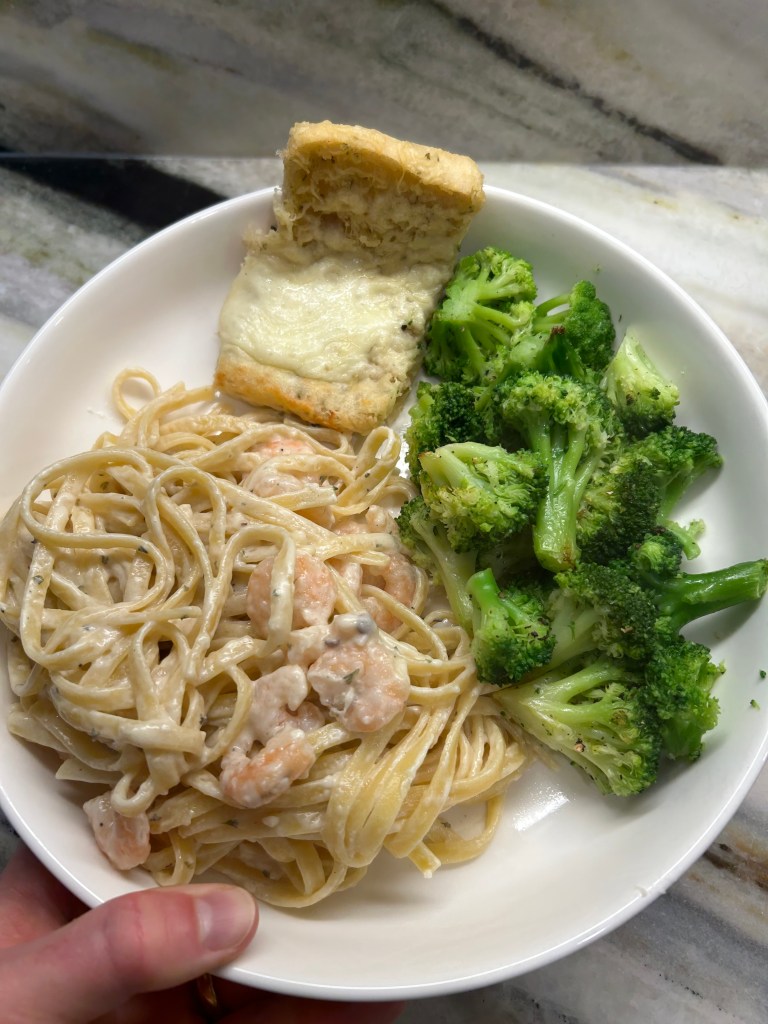
Shrimp linguine with broccoli and garlic whole grain bread:

Saute garlic, butter, and 1.5lb peeled shrimp in your cast iron skillet. While this is cooking, bake frozen broccoli at 425F for 15 minutes and boil whole grain linguine pasta for around 10 minutes.

Once the shrimp has finished cooking, add 1 cup of heavy whipping cream to the skillet and stir in 3/4 cup grated Parmesan cheese, 1 spoonful at a time. Add freshly ground pepper, salt, 1/2 cup chopped parsley, and 3 tablespoons chopped bail.

In the final 5 minutes of the broccoli bake, throw in your sliced whole grain bread that is covered in mozzarella cheese and sprinkle with garlic powder. This was a fan favorite in my house and even tempted my toddler, which is saying something! Remember to use whole grain pastas and breads for the extra nutrient punch.

Obesity and Diet

Welcome back, friends. Let’s talk about nutrition and obesity.

Most people recognize that being overweight or obese is a risk factor for diabetes, heart disease, cancer, and many other conditions. However, many don’t truly understand the burden of body weight on overall health. For instance, obesity is now the leading cause of liver cirrhosis in the United States. You heard that right – it’s not alcohol use anymore. Obesity also affects your immune system, sexual health, and brain health. It is even associated with dementia. A 2017 systematic review incorporating over 589,000 people found a 33% increased risk of dementia in people with obesity compared to the non-obese.

Unfortunately, obesity is very common and afflicts over 40% of all Americans. The great news is that it is never too late to start losing weight. Even if you already have diabetes, coronary artery disease, history of stroke, or non-alcoholic cirrhosis, you can still improve your quality of life through weight loss. Numerous studies have shown that weight loss in people with obesity can reduce joint pain, improve energy and mobility, enhance fertility, and increase self-esteem and mood.

A diet high in fruit and vegetables, legumes, whole grains, and nuts have repeatedly been shown to improve body weight compared to many fad diets like Atkins and carnivore diets (although these do have their place for some people). While many diets are useful for lowing weight, the goal should be to select one that is sustainable in your life and that does not increase your risk for other diseases. Weight loss through a whole food, plant based diet even occurs independently of exercise routines. A large component of the success many people have with weight loss while on a whole food, plant based diet is a result of the caloric density of plants compared to animal products. Another component leading to improved weight loss include the high protein and fiber nature of legumes and other plants which result in improved satiety.

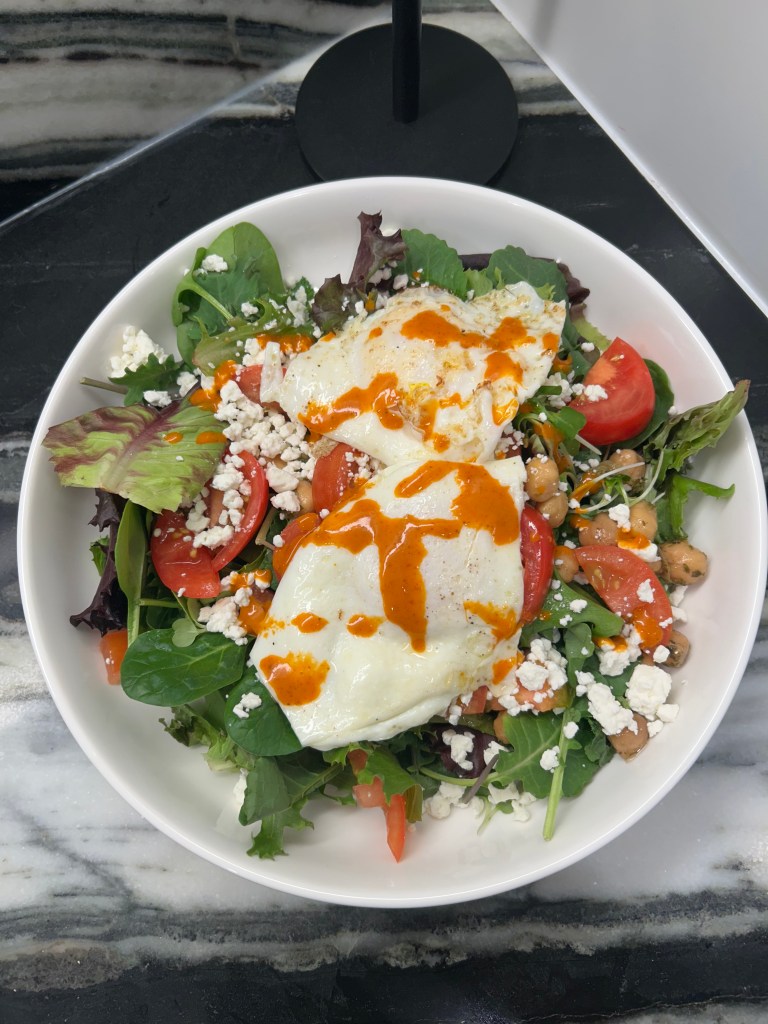
One recipe I recently discovered is loaded salad. You’ll find the recipe below:

Mix 2 large handfuls of spring mix lettuce with half a cup of feta cheese. I added a half cup of cooked chickpeas for added protein but you can substitute this for grilled chicken if you prefer. Next, blister a large handful of halved cherry tomatoes in a pan with olive oil. While the tomatoes are cooking, begin preparing three over easy eggs. Add both of the items to the salad with a drizzle of black truffle hot sauce (or any other smoky hot sauce). Top with a small handful of mixed nuts to get your serving of unsaturated fatty acids for the day. Mix thoroughly so that the salad begins to slightly wilt from the heat of the cherry tomatoes and egg yolk. Enjoy!

You’ll win extra perks if you use farm fresh eggs. There is some evidence that farm fresh eggs have reduced cholesterol and more amino acids compared to commercially produced eggs. This may be due to the length of time it takes for commercial eggs to get to store shelves and then your counter compared to farm fresh eggs. Here’s a picture of Lucy, Lizzo, and Butter (our backyard hens) that supported this recipe!

Let’s talk about your heart!

Welcome back to the My Healthy Living blog, friends. One of the most common conditions I see is cardiovascular disease in my Internal Medicine clinic. Unfortunately, it also happens to be the leading cause of death in the United States and has almost certainly affected you or a family member directly. For the naysayers who believe it won’t happen to you; over 48% of Americans greater than 20 years have cardiovascular disease, defined by the presence of hypertension, coronary artery disease, stroke, or congestive heart failure. This is likely an under-representation too because there is currently no clinical practice guideline that recommends a screening for coronary artery disease in an asymptomatic patient. Go to the doctor and ask about heart health!

Only 28% of Americans eat the CDC recommended 5 servings of fruit and vegetables per day (1 serving = banana or bell pepper for size reference). This means that there is lots of room for improvement! Interestingly, the risk of heart disease decreases by nearly 25% in people who eat these fruit and vegetable serving recommendations. This risk reduction is independent of other lifestyle changes like physical activity, smoking cessation, and weight control.

However, don’t assume that all plant based diets are going to prevent you from having that widow maker heart attack. Eating an unhealthy plant based diet -primarily refined carbohydrates (white bread/pasta) – is linked to a 32% increase in cardiovascular disease compared to a health plant based diet. The goal should be to eat 5 servings of fruit, 5 servings of vegetables, 1-2 ounces of nuts, and 2-3 servings of legumes (1 serving = 1/2 cup cooked) per day. Plants contain phytochemicals which help with antio-xidation (think cancer prevention and anti-aging effects) as well as anti-inflammation. These phytochemicals are not found in animal products.

One way I have personally helped hundreds of patients improve their diet is through making slow, intentional changes in their lives. Evaluate how many servings of fruit you eat per day. If you only eat 1 apple per day, you won’t keep the doctor away; I know… I know… I’m a dad. If this is the case, I would encourage you to start with 1 apple and 1 banana starting next week. One way I have personally achieved this is by eating a piece of fruit on my way to work and bringing 3-4 more pieces of fruit (think easy to eat fruit like apples, bananas, oranges) with me to work. When I see the extra fruit on my desk, I’m encouraged to eat them throughout my busy day. This is easy and achievable for anybody. For the skeptics that say it’s too expensive to eat this much fruit, I ask that you compare the cost of a large bag of apples or oranges that will last you at least 3-5 days on this plant-based diet to your daily Starbucks or breakfast burrito you picked up on the way to work.

Let’s make this lifestyle change together and prevent cardiovascular disease! Leave your plant based recipes below and let me know your preferred way to prepare chickpeas.

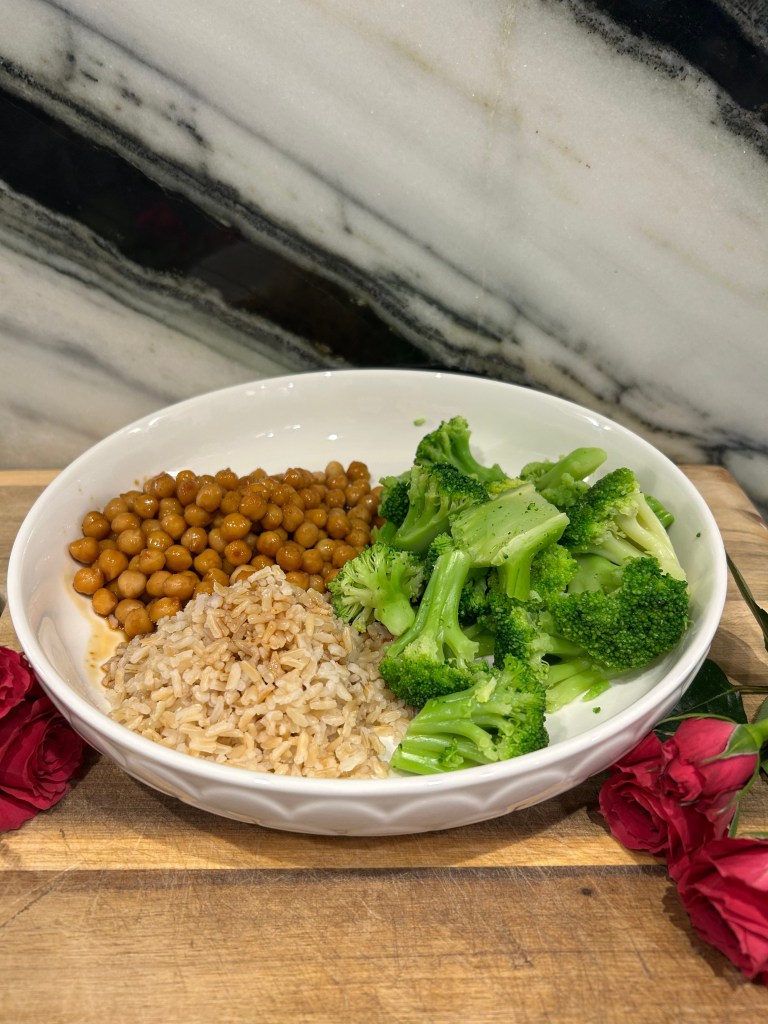
Here’s my dinner from last night. It included a significant amount of protein, insoluble fiber, complex carbohydrates, whole grains, and vegetables. I ate my 5 servings of fruit while at work.

Ingredients:

  1. One can chickpeas
  2. Yellow onion, diced
  3. Bag of frozen broccoli
  4. Bag of brown rice
  5. Teriyaki sauce

Recipe: saute the onions with some garlic until fragrant. Add the drained chickpeas and continue browning for 3-5 more minutes. While the chickpeas are warming, steam the broccoli and prepare the rice. I prefer the boil-in-a-bag rice for simplicity. Finally, combine all of the cooked ingredients into a large pan and add the desired amount of Teriyaki sauce. Enjoy!