5 Low Impact Exercises for Healthy Living

Want to turn back the hands of time? Try exercising. 

Many of my patients have heard me sing praises for yoga and water aerobics so let’s dive deeper into the topic of low-impact exercises.

Whether you’re entering your 50s or already retired, exercise can make a huge difference in how you feel and move. But selecting the right activities can make all the difference in terms of results and motivation. For example, low-impact workouts can help you stay fit or get fit as you age, while limiting the pain and damage that higher intensity exercises can cause. If you have arthritis or lingering injuries or haven’t worked out in a while, low-impact workouts help you get moving and stay moving. It also improves the stabilizer muscles to improve balance and reduce fall risk.

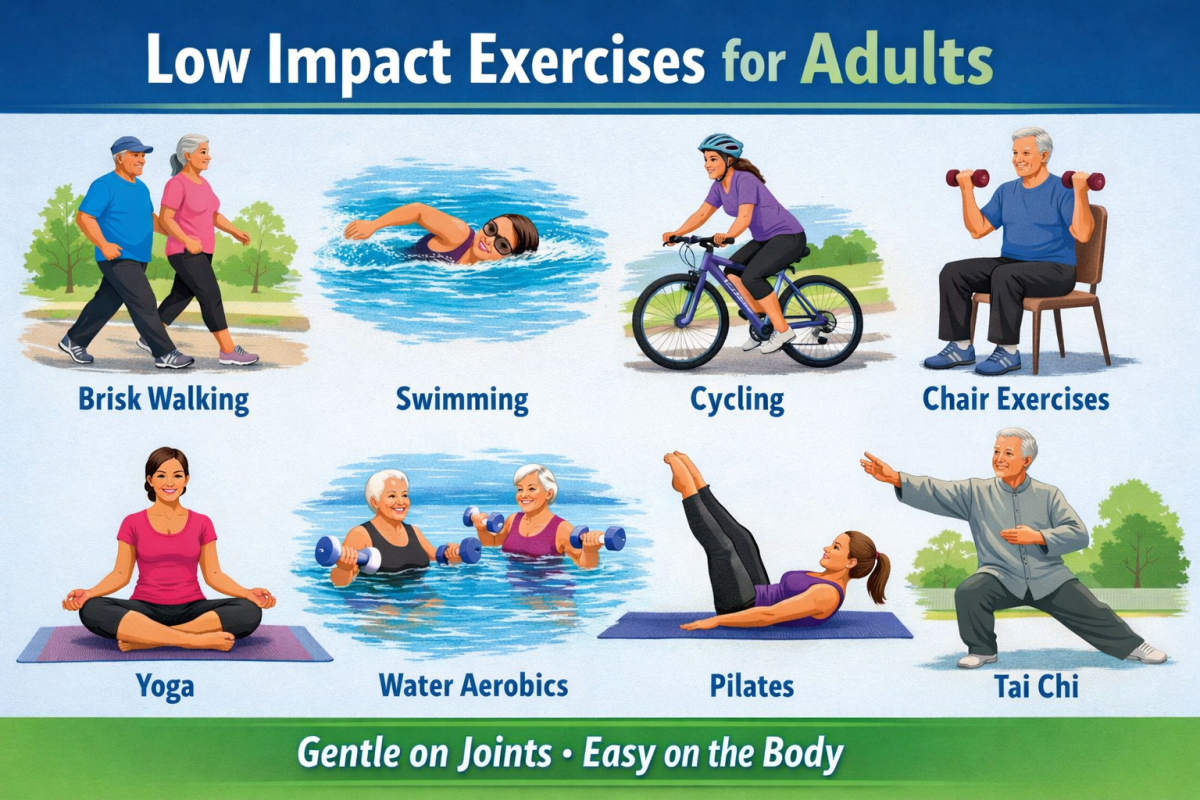
Here are five low-impact cardio and resistance training exercises that are weight bearing and incorporate balance and flexibility training — great moves for aging exercisers. Be sure to discuss them with your doctor before starting. 

Cycling strengthens the musculoskeletal and cardiovascular systems, improves joint mobility, eases stress and burns calories — all while being low impact. You can ride a stationary bike, go for a ride outside or, for a real challenge, take a cycling class. 

Cycling can be solitary activity — a time to decompress and relax. It can also be social; grab a friend and go for a ride. And if you like indoor recumbent bikes, you can get caught up on news, social media, emails and texts while riding. Have a competitive spirit? Train for a cycling road race like the Tulsa Tough.        

You’ll also burn hundreds of calories an hour (typically between 400 and 700) spinning. 

Pilates is a mat and equipment movement system developed by Joseph Pilates. Despite the thousands of die-hard Pilates fitness enthusiasts, it’s actually rooted in therapeutic exercise, making it an effective workout for all ages, fitness levels and injury histories. 

Pilates can help you develop a strong core, improving balance, overall stability and posture, as well as reducing back pain and fall risk. It’s downside? It’s not bone-building, so you’ll have to supplement it with walking or hiking. Don’t try teaching Pilates to yourself. Find a studio with small classes to learn the exercises with proper form and how to modify exercises for your specific injuries.

You’ll also burn between 175 and 250 calories per session, depending on intensity. 

Strength training obviously strengthens your musculoskeletal system, but it also improves cardiovascular endurance, bone density and daily metabolic rate. Like cycling, you have a few options. 

Weight training probably comes to mind first. If you’re new to weight training or just a little rusty, the machines at your local YMCA or gym are your safest bet. Once proficient, you can try cable machines or free weights. 

You also need a warmup and cooldown with stretches to complete your workout. Work with a trainer before beginning a weightlifting program. They’ll help you figure out the best exercises for your skill and age.

Don’t see yourself as a gym rat? Try a group resistance exercise class that incorporates props such as bands, balls or circles and/or body weight exercises like pushups, planks and squats. 

You’ll burn around 100 calories every half hour of resistance training (depending on your physical make up and the intensity of the workout).

Swimming works your entire body and builds cardiovascular endurance and muscular strength without impacting your joints. If you swam as a child, getting started may simply involve finding a pool. But if you never learned to swim or feel you need to brush up on your skills, most local swim schools and YMCAs offer adult swim classes. 

If you like the water but aren’t thrilled with getting your face or hair wet, consider water aerobics. Like swimming, these fun classes work your entire body without putting much pressure on your joints. Facilities with pools such as fitness centers, YMCAs and community centers offer classes. Water aerobics is for ALL ages so don’t shy away from this exercise based upon your perceived skill level.

Like cycling, swimming is a great way to burn calories — around 400 to 500 an hour. That’s also true of water aerobics.

Tai chi is arguably one of the best forms of exercise for people over 50. This Chinese martial art is often described as “meditation in motion.” Studies suggest tai chi’s standing movement combinations may reduce stress and improve coordination, bone density, balance, muscle strength, flexibility and aerobic conditioning. To get going, sign up for classes or hire a private trainer. Learn the exercises and understand your alignment before trying home workouts. You’ll burn between 200 and 300 calories per hour of tai chi.

Yoga is another effective workout. It’s easy on your joints and helps improve strength, balance, coordination and bone density. Some styles of yoga provide a rigorous workout, while others focus on teaching proper alignment or restoring the nervous system. If funds, time, or mobility are limiting your ability to utilize exercise classes like yoga, check out YouTube for free classes in your own home. Also, consider looking at chair yoga for seniors if you have significant mobility limitations.

If you have spinal issues such as herniated discs, stenosis, osteoporosis or arthritis, you’ll probably have to modify or maybe even skip certain yoga poses to avoid pain and injury. Forward flexion poses such as downward-facing dog, big toe pose and child’s pose can exacerbate herniations; extension poses like sphinx, cobra and cow poses are problematic for stenosis.

The wonderful thing about low-impact exercise is that it can help every person, no matter your physical prowess. Whether you are training for your 5th Ironman or just starting rehabilitation for a hip fracture, there is a class for you.
Bones, Bones, Bones

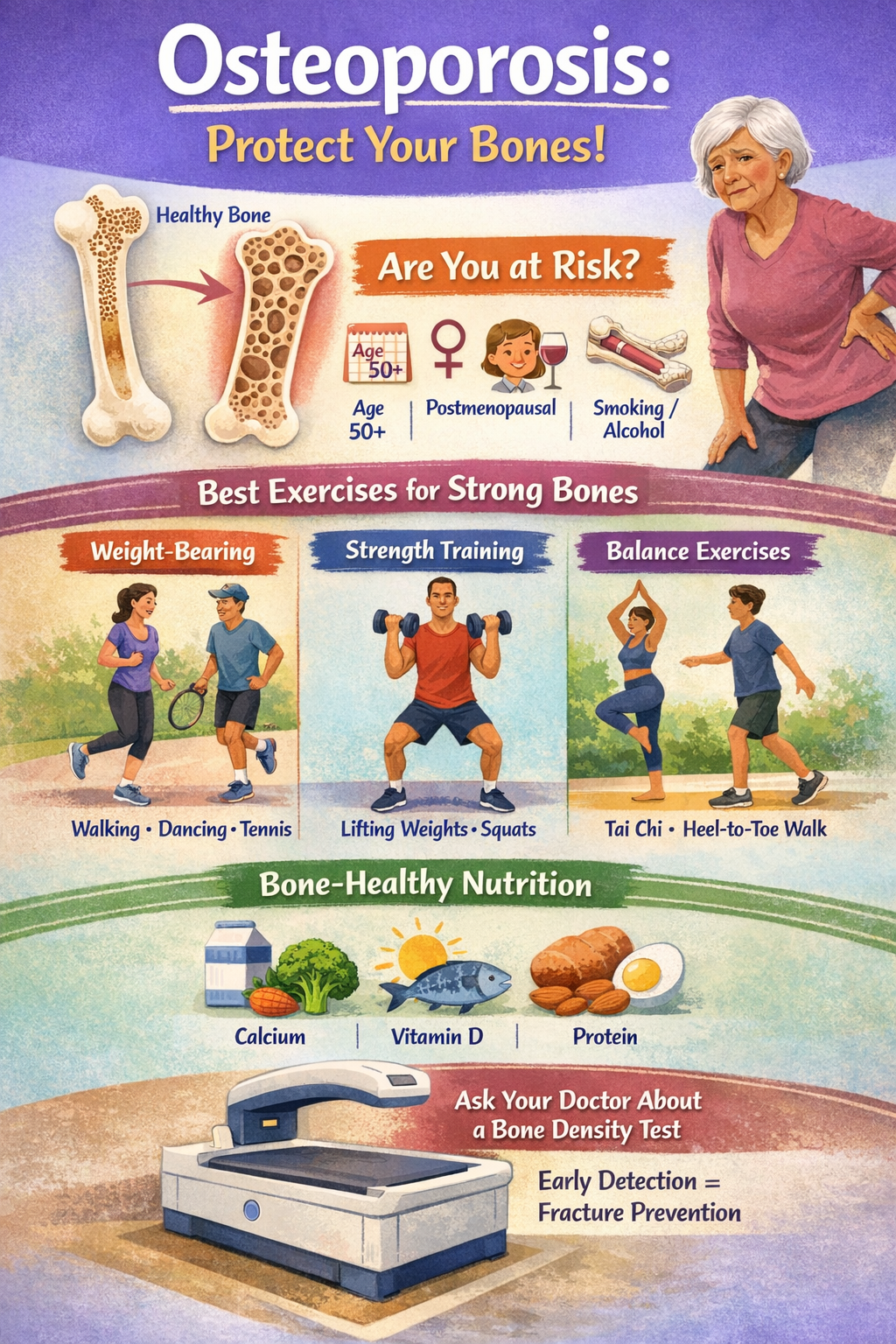
🌟 Osteoporosis: What You Can Do to Protect Your Bones

Osteoporosis is known as a “silent disease” because bone loss often goes unnoticed until a fracture happens. The good news? Bone health can be improved at any age. Here’s how.

🦴 What Is Osteoporosis?

Osteoporosis happens when bones lose density and become easier to break. Common fracture sites include the spine, hip, and wrist.

🧍‍♀️ Who’s at Higher Risk?

People are more likely to develop osteoporosis if they:

✔ are age 50+
✔ are female (especially post-menopause)
✔ are low weight or have low muscle mass
✔ have low calcium/Vitamin D intake
✔ smoke or drink heavily
✔ use long-term steroids
✔ have a family history of fractures

💪 Exercises That Help Build Strong Bones

Exercise doesn’t just help—it’s one of the best tools to slow bone loss and prevent falls. Three categories matter most:

1. Weight-Bearing Exercises (Bone Strength)

These make your bones work against gravity. Great options:

🏃‍♀️ Walking (30–45 min, 4–6 days/week)
🚶‍♂️ Hiking
🕺 Dancing
🎾 Pickleball or Tennis
🪁 Low-impact aerobics

Tip: If you haven’t been active, start with 10–15 minutes/day and add time gradually.

2. Resistance & Strength Training (Bone + Muscle)

Strength training stimulates bone remodeling and prevents falls. Examples:

🏋️ Free weights
📦 Resistance bands
💪 Bodyweight exercises:

Squats or chair-sits (10–15 reps)

Wall push-ups (10–15 reps)

Step-ups (10 each leg)

Target: 2–3 days/week with rest days in between.

3. Balance & Stability Training (Fall Prevention)

Most fractures happen after a fall. These help prevent that:

🧘 Tai Chi
🌿 Yoga (modified)
🦩 Single-leg balance (hold 10–30 sec)
👣 Heel-to-toe walking (down a hallway)

Even 5–10 minutes/day makes a difference.

🍎 Nutrition for Bone Health

Pair exercise with nutrients that support bone growth:

🥛 Calcium — dairy, leafy greens, almonds, tofu
🌞 Vitamin D — sunlight, fatty fish, fortified foods, supplements if needed
🥩 Protein — helps maintain muscle and bone structure

🩺 When Should You Ask About a Bone Scan?

Talk to your doctor if you:

✔ are a woman 65+ or a man 70+
✔ have broken a bone from a minor fall
✔ are younger but have risk factors
✔ are on long-term steroids
✔ are losing height or have a stooped posture

✨ Bottom Line

You can’t change getting older, but you can change how strong your bones stay. Early screening, smart exercise, and proper nutrition all reduce fracture risk and help keep you active and independent. Don’t forget, treating osteoporosis is MUCH easier than treating a hip fracture or being in chronic pain from a spine fracture. Don’t be afraid to talk to your doctor about medications for treating osteoporosis; it is critical you understand the pros and cons of your treatment while minimizing side effects!

Exercise as medicine

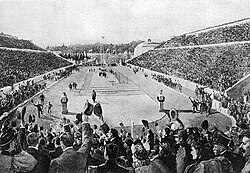
The first marathon occurred in 490BC when an Athenian ran 26 miles from the battle of Marathon to Athens announcing the phrase “Victory” following successful defeat of the Persian army. The marathon was revitalized nearly 2500 years later in the 1896 Olympic games held in Greece. The winner had a time of 2:28:50. A picture of this race is depicted below. Since that time, hundreds of thousands of runners have completed the grueling 26.2 mile marathon across the world.

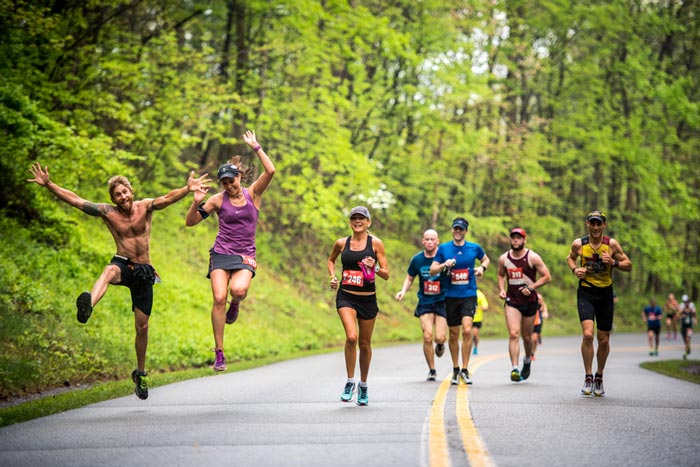
While running a marathon is an impressive feat and show of physical prowess, you don’t need to achieve this standard to improve your health. The Centers for Disease Control and Prevention (CDC) recommends U.S. adults obtain 150 minutes of moderate physical activity per week. Moderate activity includes brisk walking, playing tennis, water aerobics, dancing, or pushing a lawn mower. You don’t need to run a marathon to improve your health.

In fact, exercise is associated with reduced fatigue, stress, low back pain, and risk of falls. it is also associated with improved cholesterol, cardiovascular health, sleep, mental health, insulin sensitivity, biological health, pain perception in those with osteoarthritis, and sleep. Exercising 150 minutes per week has been linked to a 25% and 30% reduction in breast cancer and colon cancer, respectively.

These effects are amplified with more exercise. Impressively, achieving 150 minutes of brisk walking per week results in ~2.5 years of life gained. This increases to ~4.5 years of life gained with 500 minutes of brisk walking per week. These effects mediate inflammation in the body (IL-6, C reactive protein, TNF-alpha), gut microbiome through increased availability of short chain fatty acids, insulin sensitivity via the GLUT4 pathway, and cardiovascular health through increased nitric oxide and vascular endothelial growth factor production. As a result of these health benefits, the American College of Lifestyle Medicine now argues that physical activity should be a vital sign measured at your doctor visits. Kaiser Permanente healthcare system did this with over 1.7 million patients!

Although the goal should be to exercise at least 150 minutes per week, or 30 minutes 5 days per week, you should not be discouraged if you cannot achieve this due to your schedule or current physical health. For instance, if I did not have 30 minutes to exercise consecutively in a day, I would not exercise at all due to my own mental barrier. I’ve changed this negative perspective towards those busy work days and now will get at least 10 minutes of power walking before work, at lunch, and when I get home from work if this is all I can do. The key is to get your heart rate up. Many of my patients will take is to bring your lunch to work and walk while you eat. This is achievable if you set your mind to it.

Another barrier many people have is fear of physical activity due to current low levels of fitness. If this is you, the answer is to have SMART goals. S: specific. M: measurable. A: achievable. R: relevant. T: time-bound. For example, if you are currently walk less than 1000 steps per day due to pain, then you need to make a SMART goal specific to your current state. I would recommend taking small steps first. In this scenario, your SMART goal may be the following: ‘I will walk 1500 steps per day and perform chair yoga (look it up, it’s free on Youtube!) for 10 minutes each morning for 2 weeks.’ Once this goal has been accomplished, you expand upon the previous SMART goal and create more challenging SMART goals. More advanced athletes should also have SMART goals to accomplish at least the minimum standards of 150 minutes per week.

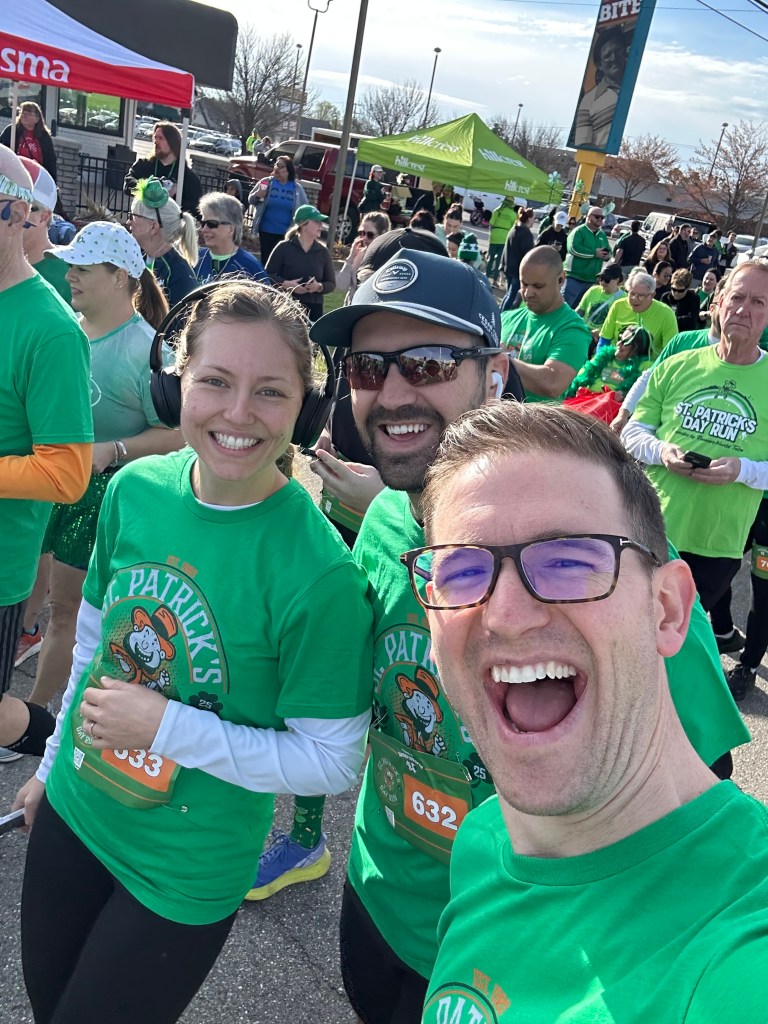
Finally, you need peer support (or peer pressure if you are a glass half empty kind of person). This should come in the form of family and friends as well as your personal physician. Tell your friend that you are on an exercise journey to reduce your risk of breast or colon cancer. Bring them on your next lunchtime power walk. Ask them to be your accountability partner. This should also come in the form of your physician. Physicians who are physically active are more likely to encourage and counsel patients on healthy lifestyles compared to inactive physicians. They also have real-world physical activity experience and tips that can help you along your lifestyle journey. Finally, having a physically active physician can provide first hand experience and counsel to help you improve. You should always ask your physician before starting any physical training program. Find your accountability partner, create a team, and share tips on how you improved physical activity in your life below. Here’s a picture of my team from a recent race.