
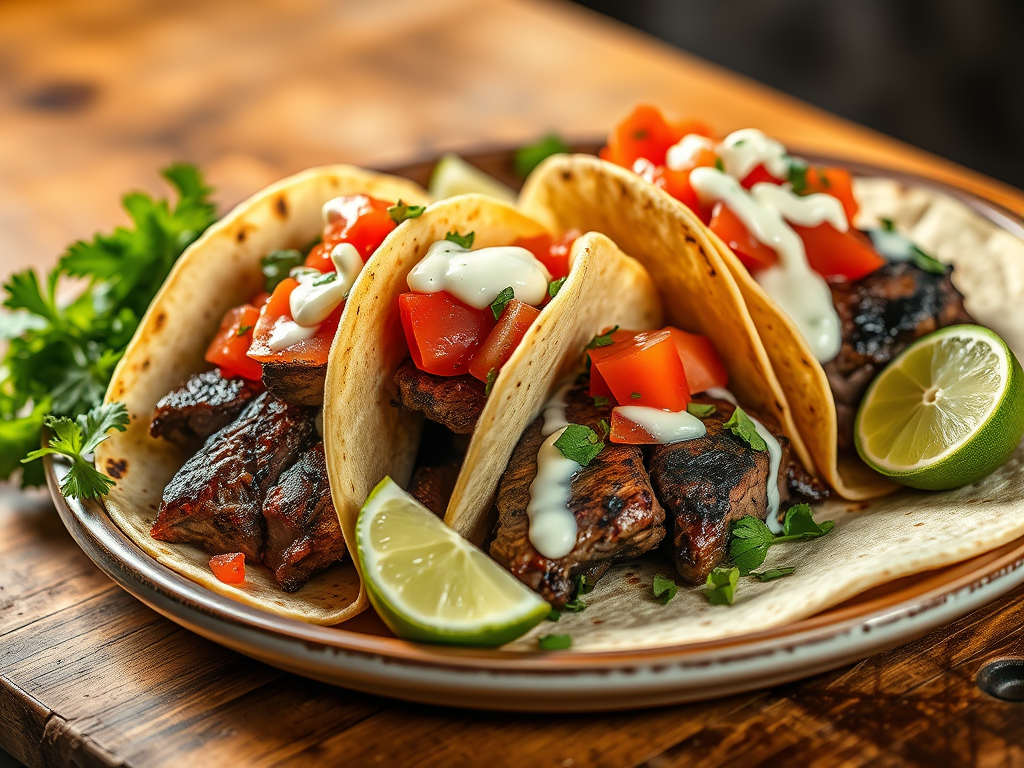
Next recipe up is the steak taco with a seared ribeye steak and refreshing salsa with smoked cream cheese topping. For the carb conscious folks out there, feel free to use a low carb tortilla or none at all and eat this as a steak salad. Don’t forget to share your modifications below and subscribe to the page for updates!
Author: Ben G
Hearing Loss and Brain Health

When many people think about preventing dementia, they focus on mental exercises, physical activity and a healthy diet. But there’s another crucial factor that many people overlook: hearing health. Recent research has revealed a surprising and significant connection between hearing loss and dementia risk, offering us a new pathway to protect our cognitive function as we age.
The Hidden Scope of Hearing Loss in America
Hearing loss is far more common than most people realize. While 37.5 million Americans have reported hearing problems, the actual number of Americans with some degree of hearing loss is closer to 48 million. This discrepancy highlights how many people either don’t recognize their hearing difficulties or choose not to acknowledge them.
The statistics paint a concerning picture. Risk increases with age, but surprisingly, two-thirds of Americans with hearing loss are younger than 65. Men between the ages of 20 and 69 have twice the risk of hearing loss when compared to women. Perhaps most troubling is that less than 30 percent of adults over 70 who could benefit from hearing aids use them, despite research showing that regular hearing aid use is associated with a 24 percent decrease in early death risk.
Why does this matter so much? Hearing loss is linked to several serious health conditions, including heart disease, depression, diabetes, falls and fractures, and dementia, which I am going to focus on.
Understanding the Hearing-Brain Health Connection
The relationship between hearing and brain health is more complex and significant than scientists initially understood. When you experience hearing loss, your brain doesn’t simply receive less auditory information – it fundamentally changes how it operates.
Researchers believe that hearing loss forces your brain to work significantly harder to keep up with conversations, enjoy music, or follow television programs. This additional brain power allocated to hearing comes at the expense of cognitive resources normally used for other mental skills, potentially affecting overall brain function.
Studies have even linked impaired hearing to brain shrinkage, suggesting that the strain of compensating for hearing loss creates measurable physical changes in brain structure. Additionally, hearing loss often leads to social isolation as people withdraw from conversations and social situations that they find challenging, creating another known risk factor for dementia.
Eight percent of all dementia cases are attributed to hearing loss.
- Mild hearing loss doubles your dementia risk
- Moderate loss triples it
- Severe hearing loss increases the risk fivefold
These statistics make hearing health one of the most significant modifiable risk factors for cognitive decline.
Types and Causes of Hearing Loss
Understanding the different types of hearing loss can help you recognize symptoms and seek appropriate treatment.
- Sensorineural Hearing Loss (SNHL) is the most common type of permanent hearing loss, typically caused by inner ear damage. Age-related hearing loss usually begins between the ages of 50 and 60 and cannot be corrected with surgery. It requires hearing aids for management.
- Conductive Hearing Loss involves damage affecting the path from the outer ear to the middle ear. Unlike sensorineural loss, this type affects people across all demographics and is often treated with medical intervention.
- Mixed Hearing Loss combines elements of both sensorineural and conductive loss, making it more difficult to hear, particularly speech, especially when background noise is present.
- Auditory Neuropathy Spectrum Disorder (ANSD) is the rarest and least understood form, involving signal breakdown between the inner ear and brain. People with ANSD have trouble understanding speech regardless of their measured hearing level.
Recognizing the Signs and Symptoms
Hearing loss symptoms vary by age group and severity. Adults between 50 and 60 often first notice that speech seems mumbled or muffled, most often in social situations. Men’s voices typically remain easier to understand than women’s voices due to their lower frequency range.
For adults over 60, the statistics become more concerning. Thirty percent of older adults are affected by hearing loss, and this number jumps to 80 percent for adults older than 85. Symptoms become more pronounced and emotionally challenging, with higher risks of depression and social isolation.
Your Best Protection: Hearing Aids
If you have hearing loss, hearing aids offer remarkable protective benefits that extend far beyond simply amplifying sound. Research shows that hearing aids can lower your dementia risk to that of a person without hearing loss – a truly remarkable finding.
Hearing aids work by preventing your brain from overworking to process sounds, allowing cognitive resources to return to their normal functions. They also help maintain social connections, which help prevent isolation that contributes to cognitive decline. Modern devices are small and often virtually invisible, addressing many people’s cosmetic concerns.
Today’s hearing aids come in several styles:
- Completely in Canal (CIC) devices are the smallest and least visible
- In the Canal (ITC) aids are custom molded and sit partially in the ear canal
- In the Ear (ITE) models fit in the bowl-shaped outer ear area
- Behind the Ear (BTE) styles hook over the ear and offer the most versatility
- Receiver in Canal/Ear (RIC/RITE) use a wire connection system
- Open Fit designs keep the ear canal open for natural low-frequency sounds
When selecting a hearing aid, consider key features like noise reduction capabilities, directional microphones, volume control options, rechargeable batteries, wireless connectivity and remote controls. Also consider utilizing a board certified audiologist as many hearing aid dispensors do not have appropriate training to identify or treat complicated hearing loss.
Additional Strategies for Maintaining Hearing Health
Prevention remains your first line of defense. Reduce exposure to loud environments and keep volume levels below the 85-decibel threshold. Use protective ear gear in loud settings, invest in noise-limiting products, and give your ears regular breaks from noise exposure.
Early detection through testing is crucial. Get a baseline hearing test between ages 20-60, then follow up with annual hearing checks. Your primary care physician can provide referrals to audiologists when necessary.
Working with Your Healthcare Provider
Your physician plays a vital role in maintaining your hearing health. They can examine your ears for infections or earwax buildup, refer you to specialists when appropriate, address hearing health concerns openly, and monitor related health conditions.
As a patient, you will need to be honest with your doctor about your hearing struggles and concerns. Prepare questions before appointments, bring a trusted friend or spouse for support, take notes during visits, and request visit summaries to ensure you don’t miss important information.
Taking Action for Your Future
The connection between hearing loss and dementia represents both a challenge and an opportunity. While the statistics about increased dementia risk are sobering, the fact that hearing aids can essentially eliminate this increased risk is incredibly encouraging.
Remember, addressing hearing loss isn’t just about improving your ability to hear – it’s about protecting your cognitive function, maintaining your independence and preserving your quality of life for years to come. The sooner you take action, the better protected your brain will be against the preventable cognitive decline associated with untreated hearing loss.
Don’t let hearing loss silently steal your cognitive health. Take control of your hearing today and give your brain the support it needs to stay sharp and healthy throughout your lifetime.
Understanding Your Metabolic Health

Fundamentally, your metabolic health is about how well your body responds to and processes food. Our metabolism’s job is to convert what we eat and drink into energy to power your body’s functions. When everything is working well, your body has the energy to do a range of amazing things – from breathing to circulating blood to creating and repairing cells to movement and exercise.
Unfortunately, abnormal chemical reactions in your body can disrupt this process. This is called a metabolic disorder, and when it occurs, your body can end up with too much of one thing and not enough of another, resulting in poorer health.
Your unique metabolic health is shaped by some things you cannot control – your age, gender and genes – as well as things that you can, including your gut microbiome, your stress level, mental health, sleep, diet and exercise. It’s a complex mechanism that can be difficult to fine tune for good health.
However, there are positive approaches you can make to maintain and maximize your metabolic health status. First, let’s look a little deeper at metabolic health.
Metabolic Health 101
At its most basic but also most critical level, metabolism sustains the minimal energy required for life, providing constant fuel for essential bodily functions. Think of it as all the systems that our body powers without any thought or action on our part – all the functions essential to life even when we’re resting that still require calories: breathing, digestion, thought, body temperature regulation, blood circulation, cell growth and repair, and hormone level management.
How much energy your body needs to perform these tasks has a name: basal metabolic rate (BMR). BMR is the minimum amount of calories your body needs to function when you’re at rest and not doing anything. Typically, those processes above use 60 to 70 percent of the fuel we consume. Your digestive system uses about 10 percent to process foods and the rest fuels physical movement.
Though there are averages, this mix is unique to individuals. An athlete might consume more calories to fuel movement and the percentages change. Someone who lives a sedentary life may consume fewer calories because they move less.
These adjustments can be frustrating, especially if you struggle with weight. For example, a fast metabolism makes it easy for some people to eat a lot of food and not gain weight. A slow metabolism may make it hard for people to lose weight just by cutting calories.
Since your metabolism naturally regulates itself to meet your body’s demands, this is also why weight loss can stall, slow down or plateau due to significant calorie intake reduction and rapid weight loss decreasing your BMR. The relationship between metabolism and weight is complex.
Things That Affect Your Metabolic Health
Ironically, how much you weigh and how much fat your body has are some of the things that most affect your metabolic health. For example, abdominal fat cells can raise levels of free fatty acids. These are chemicals that can raise the levels of hormones that affect how your body controls blood glucose levels, the basic energy blocks our metabolism creates from food.
For example, if you have too much adiposity in your midsection, your body may not respond well to insulin, which is the key to getting glucose from your bloodstream and into your cells where it can power your body. This is called insulin resistance.
These same free fatty acids can raise your bad LDL cholesterol levels and lower your good cholesterol levels, putting you at risk for heart disease. Insulin resistance can cause hypertension and raise triglyceride levels, which can cause artery walls to harden.
These extra fatty acids can also cause increased inflammation, which can cause plaque to build up inside your artery walls. This plaque can break off resulting in a heart attack or stroke.
So, high blood sugar, high LDL or bad cholesterol, low HDL or good cholesterol, high triglycerides and hypertension can all be signs of poor metabolic health – any three of this combination is called metabolic syndrome.
How to Support Your Metabolism and Your Metabolic Health
It may naturally regulate, but that doesn’t mean your metabolic health is just on autopilot. For your metabolism to perform efficiently requires some focus and action on your part. Mainly you need to eat a well-balanced diet that provides all the essential nutrients your body’s complex biological functions and processes need. See my blog post about macronutrients and special diets. https://myhealthyliving.org/2025/06/01/which-diet-is-best/
Eat at regular times and eat the right amount of calories. Your doctor can help you determine your Basal Metabolic Rate and help you calculate how many calories per day is appropriate for your BMR and your activity.
Beyond diet, you need to get enough exercise (resistance and interval training) and sleep — at least seven hours per night. Shorter sleep is associated with more belly fat and metabolic disorders.
You also need to manage your mental health and stress. Though not directly linked to metabolic rate, stress can impact how much we eat and how much (or little we sleep).
If you’re struggling with any of these things, partner with your doctor to assess lifestyle changes and medications that can help turn your metabolic health around.
Now, it’s time for something new. This is my first of (hopefully) many meal preparation vlogs. Let me know what you think below and don’t forget to click the “Subscribe” button on this web page to get notifications every time I post.
Taking a GLP-1 Drug? Here’s What You Need to Know About Nutrition

In recent years, GLP-1 weight-loss medications have become one of the most talked-about developments in the fight against obesity and type 2 diabetes. With brand names like Wegovy, Ozempic, Mounjaro, Zepbound and Trulicity, these drugs have evolved from diabetes treatments to powerful tools for weight management. Currently, about 12 percent of American adults have used a GLP-1 drug, according to a medical brief published in JAMA.
What Are GLP-1 Drugs?
GLP-1 drugs are a class of medications that mimic the hormone glucagon-like peptide 1 (GLP-1). Originally designed to help manage type 2 diabetes, they have since been adapted to promote weight loss by targeting the brain’s appetite centers, regulating blood sugar and reducing cravings. One newer drug, Mounjaro, also activates GIP receptors—another hormone involved in regulating appetite—making it even more effective for some people. Many users report that these drugs help quiet “food noise”—the constant preoccupation with eating.
On average, people who take GLP-1 medications lose between 10 and 15 percent of body weight over a year. Some users lose as much as 20 percent, according to Columbia University Department of Surgery.
In addition to managing type 2 diabetes and controlling weight, studies also found that these drugs may lower the risk of heart attacks and strokes, reduce alcohol consumption, treat obstructive sleep apnea, and improve brain and mental health. In fact, some GLP-1s are FDA-approved for people with obesity and related cardiovascular conditions, according to the US Food and Drug Administration.
Should You Take a GLP-1 Drug?
These drugs aren’t designed for people trying to lose vanity weight. They’re intended for people with either type 2 diabetes, a BMI higher than 27 plus high blood pressure, sleep apnea, atherosclerotic cardiovascular disease, or a BMI higher than 30. Furthermore, people with type 1 diabetes, diabetic retinopathy, pancreatitis, a personal or familial history of certain thyroid cancer or pregnant women should not take a GLP-1 drug.
Like many medications, GLP-1 drugs can cause side effects. Two common side effects are nausea and upset stomach. Both can be alleviated by taking the medication with food and drinking ginger tea. Other typical side effects like headache, fatigue, runny nose, sore throat, changes in vision and injection site reactions may subside over time. Occasionally, GLP-1s cause gall bladder, kidney, pancreas, thyroid and/or stomach issues, which can interfere with your usage of the drug.
There also are a handful of other considerations. Let’s start with the price – it’s usually hundreds of dollars per month and often not covered by insurance. You may regain weight once you stop taking the medication, unless you make some significant behavioral changes, like doing regular strength training. Focusing on nutrition and getting plenty of protein in your diet is also beneficial.
The Critical Role of Nutrition
GLP-1 drugs slow the speed at which food moves through your digestive system, helping you feel fuller longer. Two tactics to help prevent stomach discomfort after meals are drinking ginger tea and eating five or six small meals throughout the day, plus healthy snacks.
Nutrient-dense food choices will help maximize the benefits of the medication. In other words, skip empty calories from greasy fried foods, sugary over-processed foods and alcohol. Instead, choose foods rich in protein, fiber and nutrients. You should include protein, a fruit or vegetable, and whole grain with each meal. Examples of foods that should be kept on rotation include eggs, fish, chicken, Greek yogurt, cottage cheese, nuts and beans for protein, as well as oats, berries, whole grains, green leafy vegetables and lentils for fiber. Once again, plenty of protein is a must to avoid muscle loss; see my post from June 1, 2025 for information on how much protein you should be consuming.
Lastly, it’s imperative to stay hydrated. GLP-1 medications are known for suppressing thirst. This is a problem because dehydration contributes to side effects, particularly nausea, fatigue and headaches. Ideally, you should drink between 8 and 10 glasses of fluid each day. Your go-to drinks should include water, herbal teas, broth-based soups, or fresh vegetable juices. Limit sugary, overly processed and/or caffeinated beverages.
Work Closely with Your Primary Care Physician
You’ll also want to work closely with your primary care physician. They can help assess your individual risk factors, rule out underlying medical causes, and develop a personalized plan that’s safe and effective for your situation. Your doctor also will be your biggest advocate, reminding you that losing weight is difficult and the importance of lifestyle factors, such as nutrition and exercise. Lastly, your doctor can help develop a comprehensive, sustainable approach to achieving and maintaining a healthier weight if you decide to stop taking a GLP-1 drug.
One of my favorite meals is this orange smoothie. It is high in antioxidants, protein, and fiber from the wide spread of fruit and whole grains. The best part of this meal is that it will keep you satiated until lunch time.
In your blender, add 1 cup of water or almond milk, 1 cup of ice, 2 peeled oranges, 1 banana, a splash of vanilla extract, a quarter cup of oats, and 1 scoop of vanilla protein powder. Blend to a smooth consistency and enjoy! Don’t forget to subscribe for updates on every one of my posts and share your favorite smoothie recipes below.

Are Sugar-Free Beverages Helping You Lose Weight? Study Says No

We often associate sugary drinks like sodas with the obesity crisis, which has been plaguing the U.S. since late 1970s.
Of course, many variables are involved, but studies suggest that sugar-sweetened beverages are a prime culprit. Regular consumption of sugar-sweetened beverages like sodas, flavored waters, smoothies, sports drinks, specialty coffees, sweet tea and fruit juices have been linked to weight gain and obesity and raise the risk for serious health conditions such as type 2 diabetes, kidney diseases, gout, non-alcoholic fatty liver disease, heart disease, brain aging and tooth decay and cavities, according to the U.S. Centers for Disease Control and Prevention (CDC).
Sugary drinks have been contributing to health issues for decades. Big Soda has tried capitalizing on these health issues by offering alternative products. For example, Royal Crown Cola’s Diet Rite was introduced in 1958, appealing to Americans who were trying to lower their calories and/or sugar intake. Since then, a wide array of soft drinks and foods are made with artificial sweeteners – an industry that grew into a nearly $5 billion business with about 40 percent of Americans as consumers.
Artificial Sweeteners
The problem is, artificial sweeteners can’t help you manage your weight – at least not long term, according to a study conducted by University of Southern California and published in Nature Metabolism.
There are eight artificial sweeteners approved by the U.S. Food and Drug Administration (FDA), according to the Mayo Clinic; they include:
- Acesulfame potassium – used in Sweet One and Sunett.
- Advantame.
- Aspartame – used in NutraSweet and Equal.
- Neotame – used in Newtame.
- Saccharin – used in Sweet’N Low.
- Sucralose- used in Splenda.
- Luo han guo – used in Monk Fruit in the Raw.
- Purified stevia leaf extracts – used in Truvia, PureVia, others.
In this new study, researchers only looked at sucralose, a common, all-purpose artificial sweetener used in baked goods, beverages, chewing gum, gelatins, frozen dairy desserts, Diet Coke with Splenda, Diet Pepsi with Splenda, Gatorade’s Propel Water, low-calorie Kool-Aid and Atkins Diet products. Sucralose is considered generally recognized as safe when consumed in moderation. But study results are mixed regarding its long-term effects.
Researchers recruited 75 subjects evenly split between male and female and weight status, i.e., healthy weight, overweight or obese. Participants had three visits. Each visit they had:
- Baseline brain scan, blood samples and survey to determine hunger levels
- 300 ml of plain water, a drink sweetened with 75 grams of sugar and a drink sweetened with sucralose. The sugar- and sucralose-sweetened drinks were the equivalent of 16-ounce can of sugary soda.
- Follow-up brain scan, blood samples and survey to determine hunger levels several times for the following two hours
Subjects also underwent fMRI scans (or functional MRI). This type of MRI scan shows the most active areas of the brain. This helped researchers understand how regions of the brain communicate with one another.
Although the study was small, researchers were able to document the differences within and between subjects.
When participants drank the sugary drink, their hunger was dampened, and their peripheral glucose levels rose. But when they drank the non-caloric sucralose sweetened drink, activity in their hypothalamus grew by 20 percent compared to the sugary drink. The hypothalamus is the area of the brain that produces hormones that control hunger. Increased blood flow and activity correlates to increased appetite, researchers said. The sucralose sweetened drinks also caused a stronger hypothalamic reaction than plain water.
These effects were more pronounced in obese subjects. Earlier studies saw similar effects in animals.
Should You Give Up Your Diet Drinks?
It depends. How much are you consuming? Studies have found moderate amounts artificial sweeteners safe for healthy adults. They also can help manage weight when used in moderation or on a short-term basis because they help control your caloric and sugar intake.
But realize that researchers have questioned the benefits of artificial sweeteners for years. In fact, the World Health Organization issued an advisory in May 2023 warning consumers that beverages and foods with sugar substitutes is associated with weight gain because they trigger hunger.
Previous studies also link sucralose with insulin resistance and liver inflammation. Moreover, sucralose has been found to cause gut microbiome imbalances by cutting the number of good bacteria by half.
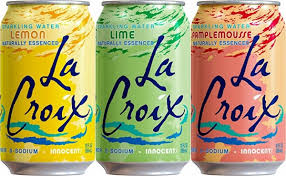
Artificial sweeteners also are much sweeter than sugar – sucralose is 600 times sweeter than sugar – which means they can affect how food and beverages taste. This is why you’re usually better off getting natural sugar from whole foods like fruits whenever possible. My favorite non-sweetened beverage is the lime La Croix sparkling water. Comment your favorite beverage below!
Chakravartti, S.P., Jann, K., Veit, R. et al. Non-caloric sweetener effects on brain appetite regulation in individuals across varying body weights. Nat Metab 7, 574–585 (2025). https://doi.org/10.1038/s42255-025-01227-8
Boosting the Immune System
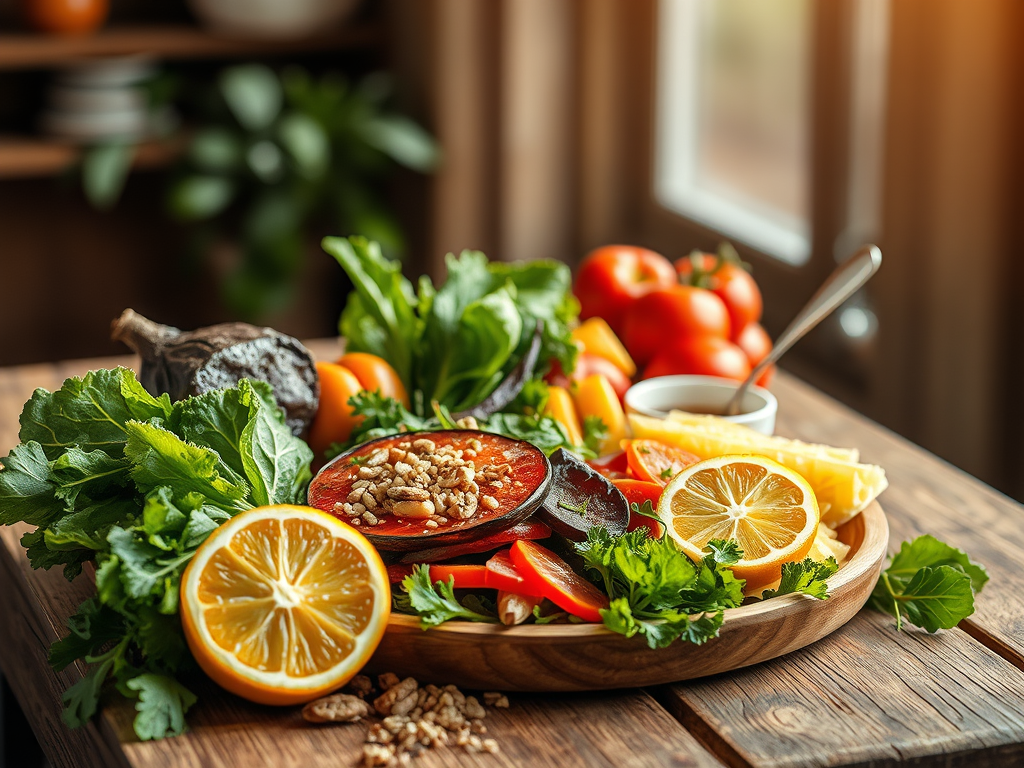
The human immune system is a wonderful thing. It responds quickly when we’re injured (the swelling around a sprained joint or a small cut), it attacks microscopic invaders like viruses and bacteria, and it even stores information that helps it fight future infections. It’s a beautiful protector that we’re partially born with and partially develop throughout our life.
Unfortunately, our lifestyle often undermines that system. For instance, stress weakens our immune system. So does a lack of sleep. Being sedentary can lead to immune system dysfunction. And depression, anxiety — even grief — take their toll.
As does our Western diet, which is filled with processed and ultra-processed foods but low in immune-boosting ingredients. While many people are correct in connecting nutrition with a strong immune system, the relationship between the foods we eat, and our body’s defensive shield is far more complex than simply drinking orange juice, taking a supplement, or chicken soup during cold and flu season.

Foods that Cause Inflammation
Bad diets damage our immune system in surprising, contradictory ways. Processed and ultra-processed foods, for example, are linked to inflammation – a component of our immune response.
When we get hurt or have an infection, there’s a localized immune response: Blood flows to the area, small blood vessels dilate and white blood cells rush in to fight the infection and begin repairing damage. The process raises inflammation levels as a result, which is normal, even necessary.
But sometimes our immune system stays active long after the initial response is over and no longer needed. This is called chronic inflammation – and it’s harmful. Chronic inflammation is linked to many diseases such as diabetes, heart disease, nonalcoholic fatty-liver disease, obesity, depression and autoimmune disorders. It also impairs our immune response, making it more likely an infection can take hold.
What’s the connection between diet and chronic inflammation? Specific foods like red meat, sodas, simple carbs like white bread, pasta and pastries, fried foods, some vegetable oils and processed meat contribute to inflammation. Studies link sugar (including high-fructose corn syrup), trans fats (often found in processed foods) and red and processed meats to inflammation and disease.
How You Should Eat for A Stronger Immune System
As we get older, the problem gets worse. Older Americans who are frail, obese or malnourished tend to experience a weaker immune response. Diets heavy on convenience foods tend to be short on essential micronutrients that strengthen our immune system.
Micronutrients include vitamins — A, B-complex, C, D, and E — and minerals — calcium, phosphorus, magnesium, sodium and potassium. A balanced diet that is comprised of good sources of micronutrients (fruits, vegetables, whole grains, dairy products and lean meat, poultry, and fish), along with soluble fiber (legumes, Brussels sprouts, sweet potatoes), healthy fats (avocados, olive oil, nuts and seeds) and healthy proteins (lean meats, poultry, and fish) can actually boost your immune system.
This is one reason health experts promote the Mediterranean diet. It’s loaded with immune-boosting foods such as olive oil, fish, fruits, vegetables, legumes and whole grains while limited in processed foods and red meat. The Mediterranean diet also is credited with maintaining a healthy gut – another key element of strong immunity.
Foods that Boost Your Immune System
The best way to absorb these nutrients and reap their benefits is by eating them as part of a healthy diet, as opposed to taking supplements. Here are some examples of immunity boosting foods that you can integrate in your diet:
- Citrus vegetables like peppers, and fruits like papaya are significant sources of vitamin C, which is thought to improve the production of white blood cells.
- Orange vegetables — carrots and sweet potatoes — have beta-carotene, which turns into vitamin A and supports your immune system.
- Cruciferous vegetables such as broccoli, cauliflower, Brussels sprouts, kale and arugula are powerhouses of vitamins that help your immune system including A, C and E. They also have fiber, which supports the growth of certain valuable microbes that in turn help your immune system.
- Many seeds and nuts contain vitamin E, which helps modulate your immune system. They also have trace minerals like selenium, phosphorus and magnesium, which have been shown to boost immunity.
- Dairy products, particularly milk and yogurt, and along with mushrooms and some fatty fish also are good sources of vitamin D, which has anti-inflammatory properties and helps balance and regulate the immune system.
- Ginger and garlic, common cooking ingredients, are high in antioxidants and have anti-inflammatory, antiviral and antibacterial benefits – all beneficial to the immune system.
What about alcohol?
Finally, alcohol also affects your immune system in several ways. It can destroy microbes in your digestive tract that support your immune system. It also leads to inflammation. The more you drink, the greater the effect.
Nutrition is just one factor — an important one — in our immune system’s health. In addition to eating well, we also need to exercise, keep our weight in check and manage our stress. Doing all these things can be a recipe for immunological success.
Now, you should remember that life is about moderation. While my next recipe is not the epitome of health, it offers a variety of micronutrients that can boost your immune system while still offering zeal in your life!
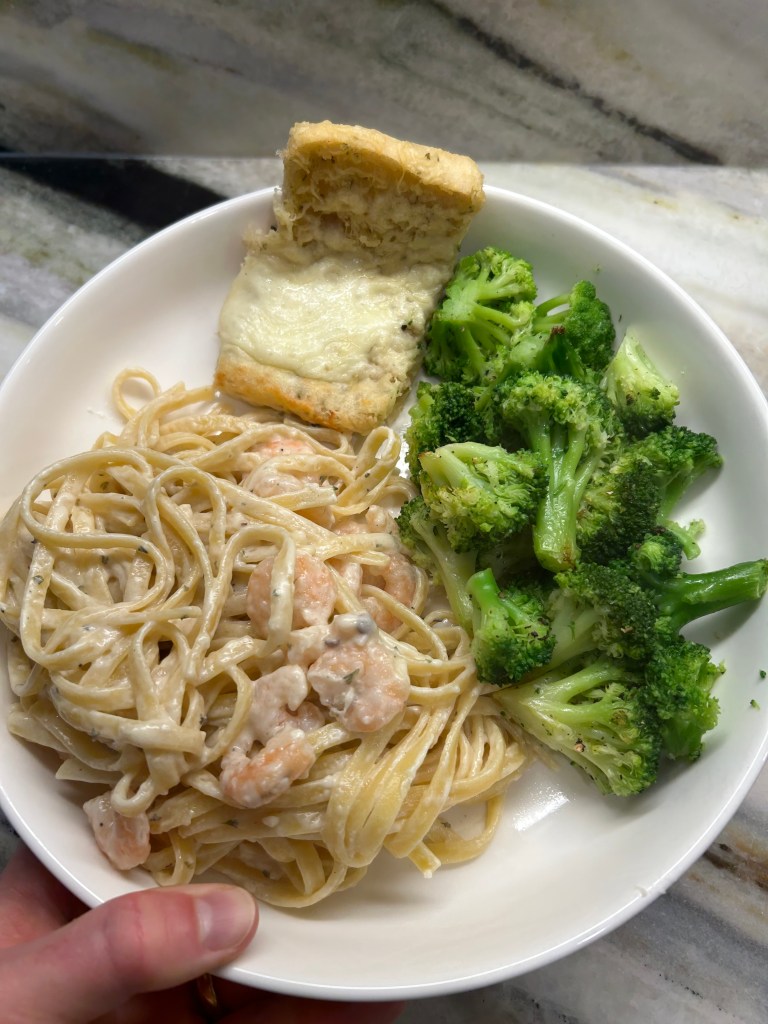
Shrimp linguine with broccoli and garlic whole grain bread:
Saute garlic, butter, and 1.5lb peeled shrimp in your cast iron skillet. While this is cooking, bake frozen broccoli at 425F for 15 minutes and boil whole grain linguine pasta for around 10 minutes.
Once the shrimp has finished cooking, add 1 cup of heavy whipping cream to the skillet and stir in 3/4 cup grated Parmesan cheese, 1 spoonful at a time. Add freshly ground pepper, salt, 1/2 cup chopped parsley, and 3 tablespoons chopped bail.
In the final 5 minutes of the broccoli bake, throw in your sliced whole grain bread that is covered in mozzarella cheese and sprinkle with garlic powder. This was a fan favorite in my house and even tempted my toddler, which is saying something! Remember to use whole grain pastas and breads for the extra nutrient punch.
Cutting Back on the Booze

Many people enjoy an occasional boozy indulgence. Unfortunately, our recognition of the risks related to drinking are often underestimated. Did you know that alcohol consumption is linked to multiple cancers, mental health disorders, cardiovascular disease, and overall risk of mortality? Let’s dive in.
Alcohol and its metabolite acetaldehyde are carcinogens linked to numerous cancers including breast, head and neck, melanoma, liver, prostate, gastric, and pancreatic. It is also implicated in fatty liver disease and cirrhosis. In fact, cutting back on alcohol consumption is one of the best ways to prevent fatty liver disease from transitioning to cirrhosis or hepatocellular (liver) cancer. Alcohol consumption also increases the risk of cardiac arrhythmias, heart failure, hypertension, myocardial infarction, stroke, depression, dementia, chronic pain and arthritis, gastroesophageal reflux (GERD), gout, and neuropathy. I cannot tell you the number of times alcohol has contributed to neuropathy in my clinic. This stuff is toxic to the body!
The impact of alcohol on human physiology also affects the way you feel and perform. First, alcohol calories are essentially “empty” calories as they hold no nutritional value. Think of every drink as an increase in adipose tissue deposition (fat), unlike when you consume calories from other nutritious sources that are converted to glycogen, a stored carbohydrate that’s good for exercise capacity. Second, alcohol inhibits the body’s ability to absorb vital nutrients including thiamine, vitamin B12, folic acid, and zinc. These essential nutrients are necessary for blood cell formation, metabolism, and immunity. This can impede muscle growth, muscle recovery, and memory via negative impacts on the hippocampus where learning and memory processing occurs. The impact of alcohol on human physiology doesn’t stop here. It also destroys your REM sleep and leads to chronic fatigue. Heavy alcohol use will impact these components the most. You aren’t functioning at peak performance if you drink alcohol.
What is a safe amount? The correct answer is none. Previous research argued that moderate use of alcohol was safe and potentially offered protective health effects. These studies were wildly flawed in controlling for co-morbid conditions and other confounding variables. However, partaking in an occasional drink with friends is not bad. The Centers for Disease Control and Prevention recommends women drink no more than 1 alcoholic beverage per day. The recommendation is no more than 2 beverages per day for men. This is not averaged over a week. This is the max recommended amount of alcoholic beverages per day. Regarding types of alcohol, red wine is arguably the “best” form of alcohol due to the antioxidant polyphenols it contains.
Now we need to understand what is classified as 1 beverage. Many of my patients incorrectly tell me they drink 1 cocktail per night but, when questioned further, are actually drinking closer to 1.5 or 2 cocktails per night based on volume of alcohol. Here is a table from the CDC to help you understand what one drink is by volume:
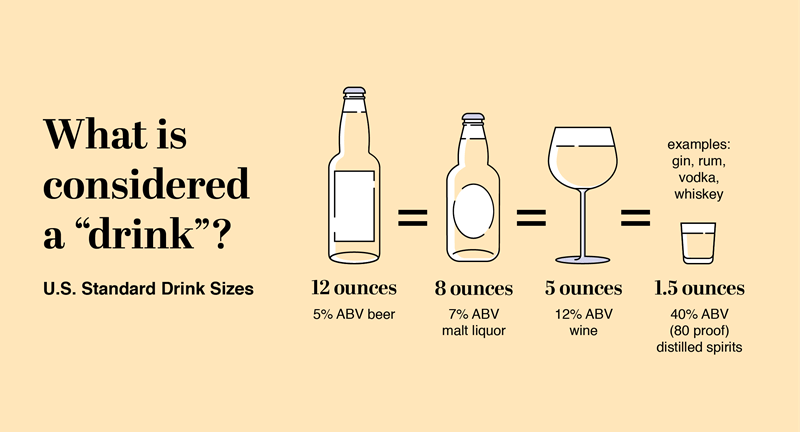
The first step in understanding heavy alcohol use is to define heavy drinking. It is also important to understand that you can be a heavy drinker and not have alcohol use disorder (ie. alcoholism). Alcohol use disorder is defined as heavy alcohol use plus impairment in self-control, physical dependence, social problems, and risky use like drinking and driving.
The patterns listed below are considered heavy drinking and are highly tied to alcohol use disorder and alcohol related bodily harm:
For women: 4 or more drinks on any day or 8 or more drinks per week.
For men: 5 or more drinks on any day or 15 or more drinks per week.
Before we talk about cutting back, it is important to remember that you should discuss quitting alcohol with your physician before beginning this journey; stopping alcohol consumption abruptly can be life threatening and I am not offering medical advice here. One method many people have found helpful is to have no heavy drinking days. Meaning you intentionally never drink more than 4 (women) or 5 (men) alcoholic beverages in a day. Committing to this has actually been shown to improve how heavy drinkers feel and function – it’s also used as a positive outcome in clinical trials, in addition to abstinence. Another method I have utilized to help patients cut back on alcohol is to replace alcoholic beverages with non-alcoholic beverages. I frequently recommend heavy beer drinkers replace 1 can of beer with 1 can of seltzer water. They still enjoy the fizzy burn as it goes down and you can still “crack the can.” This method will help you slowly cut back on the number of alcoholic beverages consumed per day.
Another method I recommend to heavy drinkers is to establish an accountability partner. You need to acknowledge that you have a drinking problem and ask your spouse, friend, or coworker to hold you accountable in cutting back. Tell this accountability partner your drinking limit and ask them to intermittently confirm your commitment to this journey. Alcoholics Anonymous meetings can help you locate an accountability partner and offer exceptional resources for drinkers. Another successful method to cut back is by setting a drinking limit before going to the bar. Bonus points if you tell your accountability partner this limit! Medications, such as naltrexone, disulfiram, and semaglutide, are also used in some people to curb alcohol cravings. Finally, treat alcohol like an addiction (it is!) and avoid people or places that you recognize as negative influences on your drinking patterns. If you always have 4 beers when you go to Buffalo Wild Wings, then consider getting the BDubs to-go and enjoy your Blazin’ wings at home!
Jalen Williams – a member of the OKC Thunder 2025 NBA Championship team – recently had his first beer which was widely publicized after the championship game. His response: “[It] was my first time drinking, ever… I had shots, champagne, beer: it was all disgusting. I’mma stick to Shirley temples.” You can be the champion of your life and quit drinking alcohol too!

Now, remember that everything in life is about balance. While cutting back on alcohol consumption is a sure-fire way to improve your health, it is important to remember the other components of a healthy lifestyle that I’ve discussed in previous blog posts. While many posts focus on dinner preparation, this post will break that trend and introduce you to my favorite breakfast.
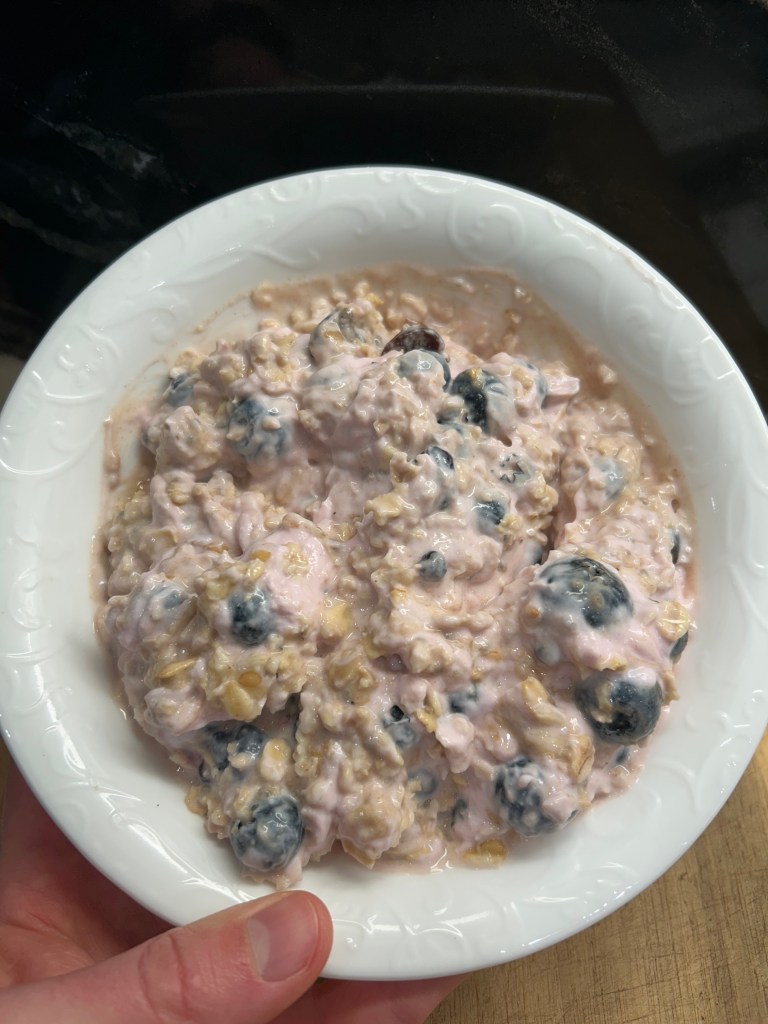
I have no idea what to call this but, as many of you know, I’ll throw about anything in a bowl and see how it tastes. This is a winner.
Add boiling water to 1/2 cup of steel cut oats. Let sit in the refrigerator for 20-30 minutes then fold in 1/2 cup of blueberries and 1 cup of flavored Greek yogurt (I like mixed berry). This meal has enough protein, fiber, and complex carbohydrates to keep you satiated until lunch while giving you a fantastic energy and anti-oxidant boost from the blueberries.
Which diet is best?
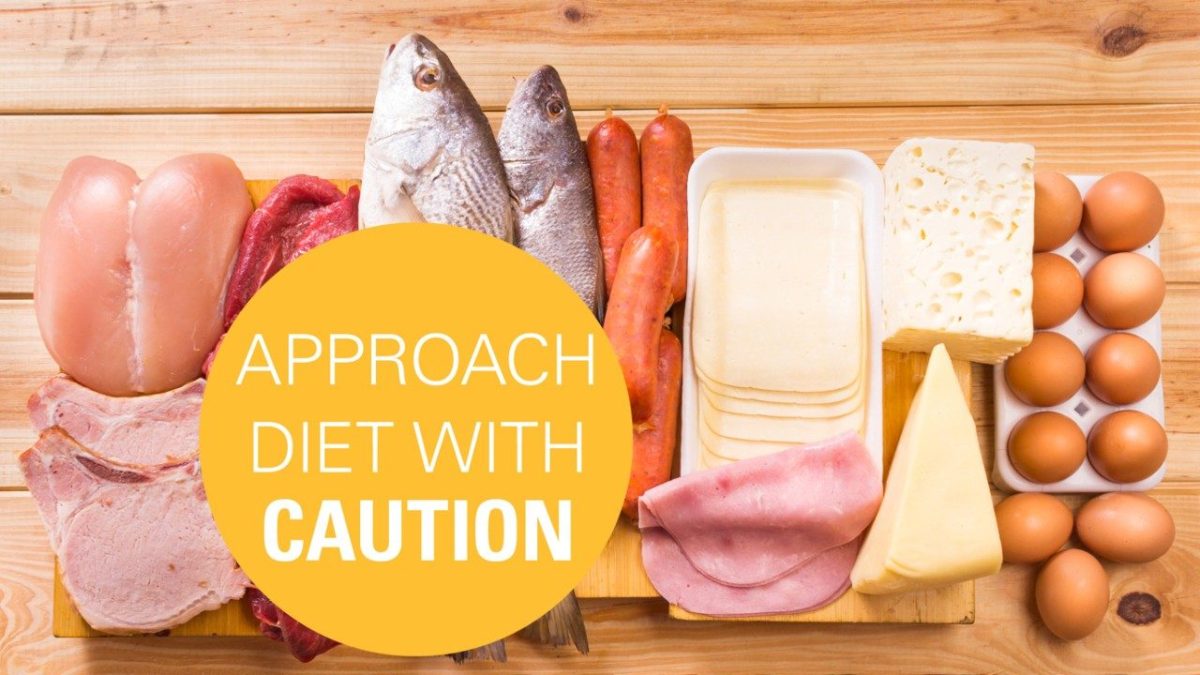
Many of my patients ask me which diet is best to help them lose weight, live longer, improve physical prowess, reduce blood sugar, among many other reasons people choose to diet. They’re often shocked when I tell them I don’t like the word ‘diet.’ The term insinuates that you will be operating a very strict food regimen for a short period of time to achieve a desired effect. Think about your friend or coworker that said they were going on the ‘X’ diet for ‘Y’ reasons. You can fill in the blank because we all know someone (assuming you haven’t done it yourself) who has said this phrase. What was the end result for this person? I’m willing to bet they’re no closer to their ‘diet’ goals today than they were when they began their journey. This is not to say that I haven’t had patients who are successful at achieving their health goals through a specific diet plan – in fact, I’ve had many! But, this is not the majority. Most can’t sustain their diet for more than 6 months and, unfortunately, many regain their initial body weight by 4 years.
A healthy lifestyle, whether you need to lose weight or biohack, should be specific, measurable, achievable, time-bound, and SUSTAINABLE. I’ll repeat the last word – SUSTAINABLE. Strict diets can be counterproductive to achieving your ultimate health goals. While this may be a carnivore based regimen (I don’t recommend this for cardiovascular reasons in most people), it could also be a Mediterranean or plant based regimen for others. The key is that everyone is different. Intrapersonal, interpersonal, community, social, and religious beliefs often dictate how a “normal” diet looks. This is where your physician or nutritionist can help guide you.

So, where do you start? I prefer to educate my patients based on what is known to be healthy standards.
Protein: Most information available online recommends adults eat 0.8g protein per kilogram of ideal body weight. However, this is the minimum amount required to prevent a protein deficiency, which can lead to bone fractures, poor muscle mass, and increase risk for falls. Most adults without kidney disease should be closer to 1.5-2g protein per kilogram of ideal body weight in combination with physical activity to maximize health. For reference, a 5oz chicken breast is around 40g protein. One cup of greek yogurt is 17g protein. One cup of cooked black beans is 15g protein. Protein shakes can easily get you to your goal protein and are easy to drink on the go for the busy workers. I like to drink my protein shakes between patient encounters.
Fiber: The goal should be 30 grams of fiber per day. Insoluble fiber is in many foods including whole grains, legumes, fruit, and vegetables. A diet high in fiber is linked to a reduced risk of cardiovascular disease and multiple cancers including colorectal, breast, pancreatic, and gastric. While I do recommend eating whole grains daily, I prefer to get my fiber from fruit and vegetables because most people are grossly deficient on the consumption of these. Raspberries and blueberries are the most fiber dense with 8g per cup. Apples have around 4g in a medium sized apple. Kale has roughly 5g per cup and broccoli has 3g per cup.
Water: The proper amount of water consumption differs by person and activity level. However, a good starting place is 1oz water per kilogram of body weight. This would be the minimum recommended volume for most people. Again, discuss with your physician first as this may differ depending on the presence of comorbid conditions like kidney failure, cirrhosis, congestive heart failure, or use of certain medications. Those who work in hot environments or are highly physically active should be closer to 2oz water per kilogram of ideal body weight. A rough evaluation of your hydration level can be determined simply by standing up from a seated position. If you get dizzy with standing, you may be dehydrated.
You’ll notice I left out carbohydrates. This was intentional. While the body cannot survive without glucose, a carbohydrate required in the production of ATP (the main energy carrying molecule in the body), it is a common misconception that we should limit the amount of fruit in our diet due to the high carbohydrate content. Don’t fall into this trap. While you should discuss this with your physician, the benefits obtained from eating fruit (and their respective complex carbohydrates) are far greater than the potential risks. Further, think about all the other high glycemic index foods you eat in a day and figure out which ones you could replace with a high quality piece of fruit that will help lower your risk of an innumerable number of diseases. I do not condone a diet high in simple carbohydrates. Examples of simple carbohydrates are white breads, chips, candy, syrups, white pasta, white rice, etc. These foods are considered high glycemic index foods and will quickly wreck your dietary and lifestyle goals.
If you can achieve the above quantities of protein and fiber (from varied sources including fruit, vegetables, and some whole grains) and limit the amount of simple carbohydrates in your diet, there’s a good chance you will be eating a well balanced diet. The good news is you don’t have to be perfect with your diet. In fact, I would argue that you should NOT be perfect with your diet. Enjoying some cheat meals is not a bad thing. The important component is that you eat a cheat meal (or any meal for that matter) in moderation. Aim for 1 cheat meal per week or less and stay committed to your goals. Share these goals with your family and friends for extra credit!
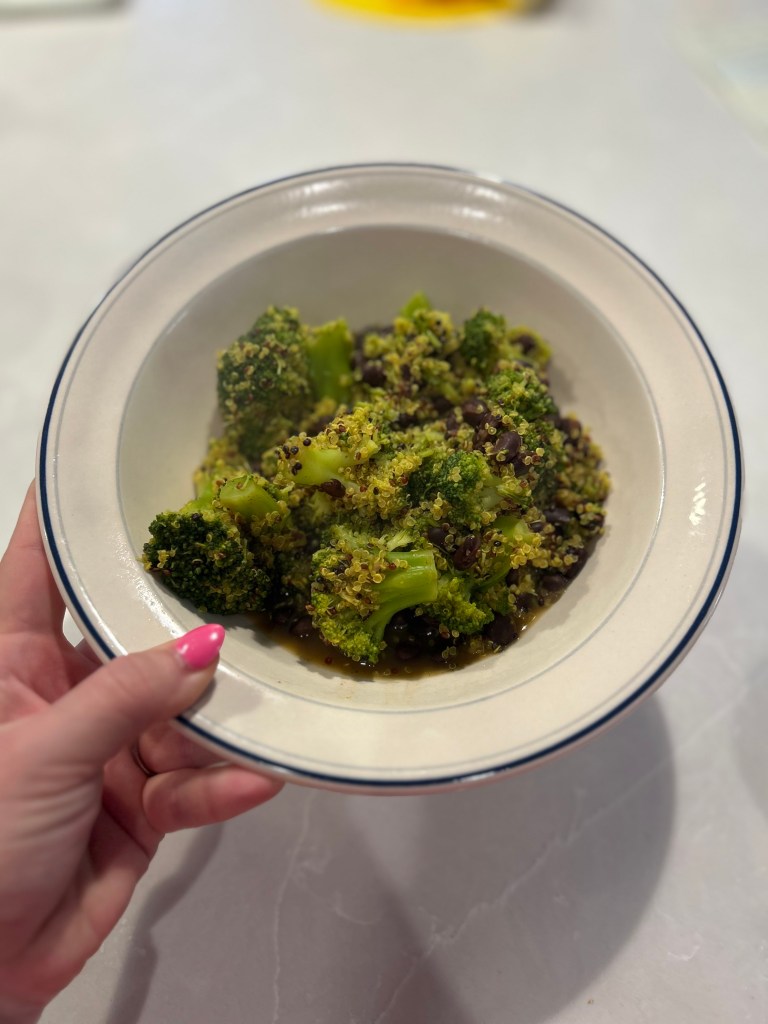
This recipe is a family favorite in my house. We call it the black bean special. I think it’s special because it is a one pan dish (meaning easy to make!) and is super healthy and flavorful. This recipe was adapted from one of my favorite cookbooks, “How Not to Diet: The Groundbreaking Science of Healthy, Permanent Weight Loss” by cardiologist and lifestyle medicine expert Michael Greger, MD. I highly recommend this book as well as its precursor, “How Not to Die.”
Boil 1 cup of dry quinoa in equal parts of chicken broth and water for 5 minutes. In the boiling water, add 2 tbsp of nutritional yeast, 2 tsp ground turmeric, 2 tsp ground ginger, 2 tsp ground cumin, 1 tsp cayenne pepper, Then, mix in 1 bag of frozen broccoli florets and cover for an additional 8 minutes. With two minutes remaining, add 1 can of drained/rinsed black beans. An alternative to the quinoa would be farro (higher in fiber than quinoa) or brown rice. Share your recipes and book recommendations below!
Obesity and Diet
Welcome back, friends. Let’s talk about nutrition and obesity.

Most people recognize that being overweight or obese is a risk factor for diabetes, heart disease, cancer, and many other conditions. However, many don’t truly understand the burden of body weight on overall health. For instance, obesity is now the leading cause of liver cirrhosis in the United States. You heard that right – it’s not alcohol use anymore. Obesity also affects your immune system, sexual health, and brain health. It is even associated with dementia. A 2017 systematic review incorporating over 589,000 people found a 33% increased risk of dementia in people with obesity compared to the non-obese.
Unfortunately, obesity is very common and afflicts over 40% of all Americans. The great news is that it is never too late to start losing weight. Even if you already have diabetes, coronary artery disease, history of stroke, or non-alcoholic cirrhosis, you can still improve your quality of life through weight loss. Numerous studies have shown that weight loss in people with obesity can reduce joint pain, improve energy and mobility, enhance fertility, and increase self-esteem and mood.
A diet high in fruit and vegetables, legumes, whole grains, and nuts have repeatedly been shown to improve body weight compared to many fad diets like Atkins and carnivore diets (although these do have their place for some people). While many diets are useful for lowing weight, the goal should be to select one that is sustainable in your life and that does not increase your risk for other diseases. Weight loss through a whole food, plant based diet even occurs independently of exercise routines. A large component of the success many people have with weight loss while on a whole food, plant based diet is a result of the caloric density of plants compared to animal products. Another component leading to improved weight loss include the high protein and fiber nature of legumes and other plants which result in improved satiety.
One recipe I recently discovered is loaded salad. You’ll find the recipe below:
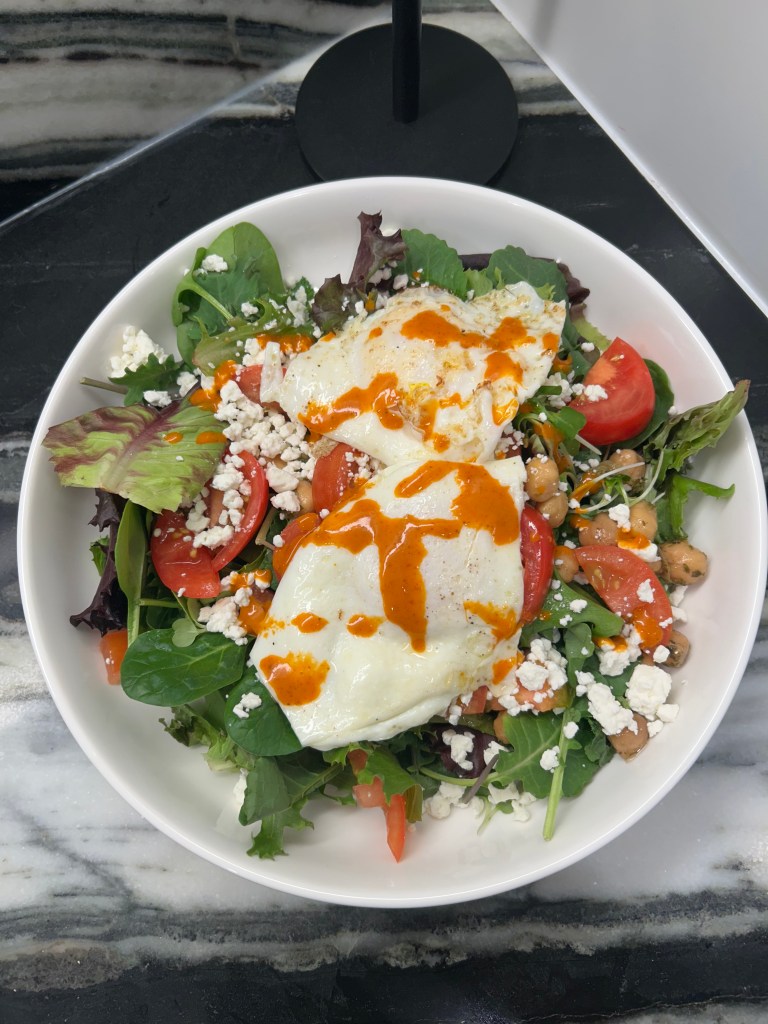
Mix 2 large handfuls of spring mix lettuce with half a cup of feta cheese. I added a half cup of cooked chickpeas for added protein but you can substitute this for grilled chicken if you prefer. Next, blister a large handful of halved cherry tomatoes in a pan with olive oil. While the tomatoes are cooking, begin preparing three over easy eggs. Add both of the items to the salad with a drizzle of black truffle hot sauce (or any other smoky hot sauce). Top with a small handful of mixed nuts to get your serving of unsaturated fatty acids for the day. Mix thoroughly so that the salad begins to slightly wilt from the heat of the cherry tomatoes and egg yolk. Enjoy!
You’ll win extra perks if you use farm fresh eggs. There is some evidence that farm fresh eggs have reduced cholesterol and more amino acids compared to commercially produced eggs. This may be due to the length of time it takes for commercial eggs to get to store shelves and then your counter compared to farm fresh eggs. Here’s a picture of Lucy, Lizzo, and Butter (our backyard hens) that supported this recipe!

Exercise as medicine

The first marathon occurred in 490BC when an Athenian ran 26 miles from the battle of Marathon to Athens announcing the phrase “Victory” following successful defeat of the Persian army. The marathon was revitalized nearly 2500 years later in the 1896 Olympic games held in Greece. The winner had a time of 2:28:50. A picture of this race is depicted below. Since that time, hundreds of thousands of runners have completed the grueling 26.2 mile marathon across the world.

While running a marathon is an impressive feat and show of physical prowess, you don’t need to achieve this standard to improve your health. The Centers for Disease Control and Prevention (CDC) recommends U.S. adults obtain 150 minutes of moderate physical activity per week. Moderate activity includes brisk walking, playing tennis, water aerobics, dancing, or pushing a lawn mower. You don’t need to run a marathon to improve your health.
In fact, exercise is associated with reduced fatigue, stress, low back pain, and risk of falls. it is also associated with improved cholesterol, cardiovascular health, sleep, mental health, insulin sensitivity, biological health, pain perception in those with osteoarthritis, and sleep. Exercising 150 minutes per week has been linked to a 25% and 30% reduction in breast cancer and colon cancer, respectively.
These effects are amplified with more exercise. Impressively, achieving 150 minutes of brisk walking per week results in ~2.5 years of life gained. This increases to ~4.5 years of life gained with 500 minutes of brisk walking per week. These effects mediate inflammation in the body (IL-6, C reactive protein, TNF-alpha), gut microbiome through increased availability of short chain fatty acids, insulin sensitivity via the GLUT4 pathway, and cardiovascular health through increased nitric oxide and vascular endothelial growth factor production. As a result of these health benefits, the American College of Lifestyle Medicine now argues that physical activity should be a vital sign measured at your doctor visits. Kaiser Permanente healthcare system did this with over 1.7 million patients!

Although the goal should be to exercise at least 150 minutes per week, or 30 minutes 5 days per week, you should not be discouraged if you cannot achieve this due to your schedule or current physical health. For instance, if I did not have 30 minutes to exercise consecutively in a day, I would not exercise at all due to my own mental barrier. I’ve changed this negative perspective towards those busy work days and now will get at least 10 minutes of power walking before work, at lunch, and when I get home from work if this is all I can do. The key is to get your heart rate up. Many of my patients will take is to bring your lunch to work and walk while you eat. This is achievable if you set your mind to it.
Another barrier many people have is fear of physical activity due to current low levels of fitness. If this is you, the answer is to have SMART goals. S: specific. M: measurable. A: achievable. R: relevant. T: time-bound. For example, if you are currently walk less than 1000 steps per day due to pain, then you need to make a SMART goal specific to your current state. I would recommend taking small steps first. In this scenario, your SMART goal may be the following: ‘I will walk 1500 steps per day and perform chair yoga (look it up, it’s free on Youtube!) for 10 minutes each morning for 2 weeks.’ Once this goal has been accomplished, you expand upon the previous SMART goal and create more challenging SMART goals. More advanced athletes should also have SMART goals to accomplish at least the minimum standards of 150 minutes per week.
Finally, you need peer support (or peer pressure if you are a glass half empty kind of person). This should come in the form of family and friends as well as your personal physician. Tell your friend that you are on an exercise journey to reduce your risk of breast or colon cancer. Bring them on your next lunchtime power walk. Ask them to be your accountability partner. This should also come in the form of your physician. Physicians who are physically active are more likely to encourage and counsel patients on healthy lifestyles compared to inactive physicians. They also have real-world physical activity experience and tips that can help you along your lifestyle journey. Finally, having a physically active physician can provide first hand experience and counsel to help you improve. You should always ask your physician before starting any physical training program. Find your accountability partner, create a team, and share tips on how you improved physical activity in your life below. Here’s a picture of my team from a recent race.

 The Healthy Life